Full Article
about Sort
Capital of Pallars Sobirà; known for its lottery (La Bruixa d'Or) and river sports
Ocultar artículo Leer artículo completo
The queue outside La Bruixa d'Or snakes past the baker's at 9am, even midweek. Punters clutch €20 notes, murmuring about "the village that breeds jackpot winners." Sort's golden lottery kiosk has sold more top-prizes per capita than anywhere else in Spain, a statistical fluke the locals now market with straight-faced pride. It is an odd introduction to a place that, until recently, most British travellers reached only by accident.
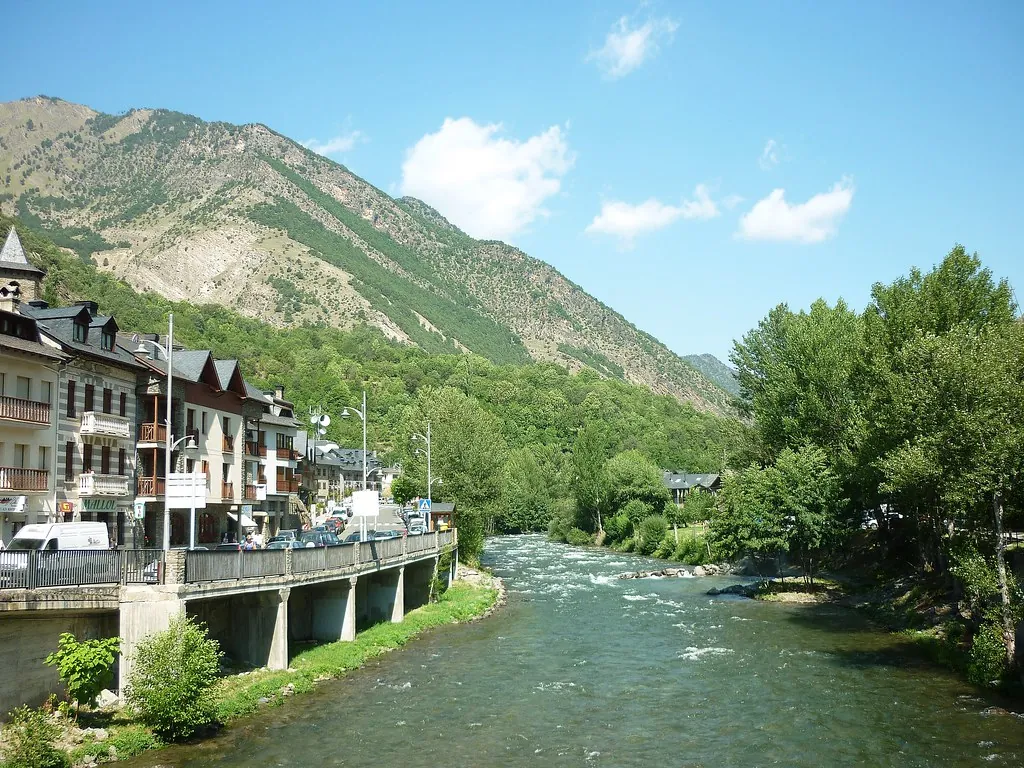
Sort sits 692m above sea-level where the Noguera Pallaresa squeezes between bruised-grey limestone walls. From Barcelona the drive takes three hours if the C-16 tunnel isn't congested; from Toulouse it is similar. There is no railway: ALSA coaches lumber in from Lleida twice daily, dropping passengers beside the river-side car park that doubles as the village's transport hub. Hire a car if you can—the valley splinters into side-roads that buses ignore.
Stone, Water, Concrete
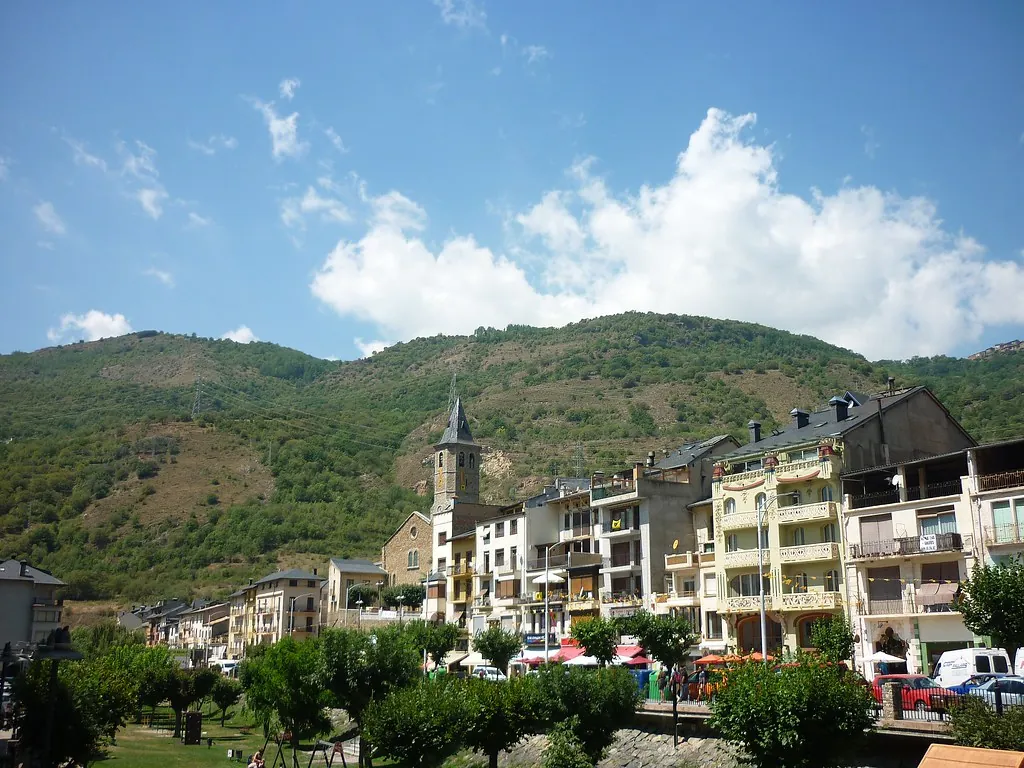
The medieval core is smaller than the car park. Carrer Major runs uphill for barely 200 metres, stone houses shoulder-to-shoulder, iron balconies painted the same oxidised green you see all over the Pyrenean fringe. The thirteenth-century church of Sant Feliu squats at the top, its bell-tower rebuilt after a lightning strike in 1936. Walk behind the altar and you find a Romanesque font hauled here from a ruined chapel higher in the hills—one of several architectural transplants that keep historians bickering.
Below the church, a grassy platform is all that remains of the comital castle. Interpretation boards show how impressive it must have looked before 15th-century gunpowder and 19th-century quarrying did their worst. The view compensates: south across the flood-plain to the cellophane shimmer of the river, north to beech slopes already turning rust-colour by late September.
Descending, you pass early-1900s townhouses with floral wrought-iron work—evidence that hydropower royalties once lined pockets here. Then concrete apartment blocks from the 1970s muscle in, their ground floors given over to rafting outfitters and mountain-bike hire. Sort never decided whether it wanted to be heritage showcase or adventure depot; the result is an honest, slightly scruffy hybrid.
Rapids, Boots, Skis
The Noguera Pallaresa drains a 1,000 km² catchment; meltwater from Aigüestortes National Park reaches the village in under six hours. When the dam up-valley releases, the gauge outside Rafting Pallars flashes 28 cubic metres per second. At those levels a two-hour descent from nearby Llavorsí costs €45 and involves being shouted at in Catalan, Spanish, and—if the guide went to university—serviceable English. Wet-suits are included; bring synthetic base-layers and a change of footwear that won't be mourned when it floats away.
Land-based options start literally at the edge of town. A way-marked path climbs 300m to the Mirador de Roca de Quintana, then continues on an old mule track to the abandoned hamlet of Begó. Stone terraces once grew rye; now they grow bracken and blueberries. Allow three hours there-and-back, plus time to poke around the ruined chapel whose bell still hangs from a splintered beam—children can't resist ringing it.
Serious hikers use Sort as a staging post on the GR-11 long-distance trail. Stage 16 finishes at the riverside campsite; stage 17 climbs 1,200m to the Coll de Crestada before dropping to the next valley. Taxi companies know the drill: €35 will shuttle rucksacks to your next refuge if you book the night before.
Winter re-writes the menu. Espot Esquí (25 min) and Port Ainé (35 min) offer 70km of pistes between them, mostly red and blue, none above 2,500m so storms close them more often than the larger resorts of the Aran valley. Lift passes are €42 a day—cheaper than the Alps, but check webcams first: bare patches appear when the nordic wind blows. Sort itself rarely sees snow below 900m; you can stay in the valley and drive to the powder, then eat river trout for supper while rain lashes the pavements.
Calories and Conversations
Menus are built around what can survive a five-month winter. Escudella is a meatball-and-chickpea broth thick enough to stand a spoon in; most restaurants will produce a half portion on request because they know the full bowl defeats lone diners. Trinxat—cabbage, potato and streaky bacon fried into a cake—comes sizzling in a small cast-iron skillet; think bubble-and-squeak with altitude. River trout is grilled whole, butterflied, mildly flavoured, and costs €14–16. Vegetarians negotiate: aubergine drizzled with local honey appears so often it has become a running joke.
Friday fills Plaça Major with pop-up stalls: mountain honey labelled by altitude, small-format cheeses wrapped in chestnut leaves, and girella, a blood-and-rice sausage that tastes better than it photographs. Stallholders will slice tasters if you ask; "Un tastet, si us plau" breaks the ice even with limited Catalan.
Evenings tilt towards the bars under the arcades. Locals drink cervesa del Pirineu, a craft lager brewed 30km away, while comparing lottery numbers and river-level apps. English is patchy—enough to rent equipment, less so for discussing Brexit—but patience and a phrase-book go far.
The Downsides
August saturates. Apartment blocks built for 600 people house 2,000 when every rafter, biker and second-home owner descends. Parking spills onto the C-1311; traffic police appear from Tremp and fine with Iberian enthusiasm. Book accommodation early or arrive in late May, when alpine flowers line the verges and daytime temperatures sit in the low twenties.
Rain arrives suddenly. Atlantic fronts bump against the range and dump an Atlantic month's worth in 48 hours; the river changes colour from jade to cappuccino and the put-in at Llavorsí closes. Outfitters swap rafting for canyoning, but you will still be cold, wet, and possibly disappointed. Travel insurance that covers "adventure activities" is worth the paperwork.
Mobile signal is patchy once you leave the valley floor. Download offline maps before setting off, and tell your accommodation where you plan to walk. Mountain rescue is voluntary—donations welcome if they have to fetch you off a ledge.
Leaving
Check-out day presents a dilemma. Head east and you can be in Barcelona for late-afternoon tapas; west lies the Romanesque cluster of the Vall de Boí, UNESCO-listed and mercifully overlooked by the Costa crowd. Or follow the river north until the tarmac ends at the National Park gateway, leave the car, and keep walking until phone reception dies. Sort works best as a springboard rather than a destination—somewhere useful rather than life-changing. Still, if the lottery kiosk queue is short, a €2 ticket costs less than a coffee and buys a conversational anecdise for the journey home.