Full Article
about Vilanova de Bellpuig
Farming village with a famous stone Gothic altarpiece
Hide article Read full article
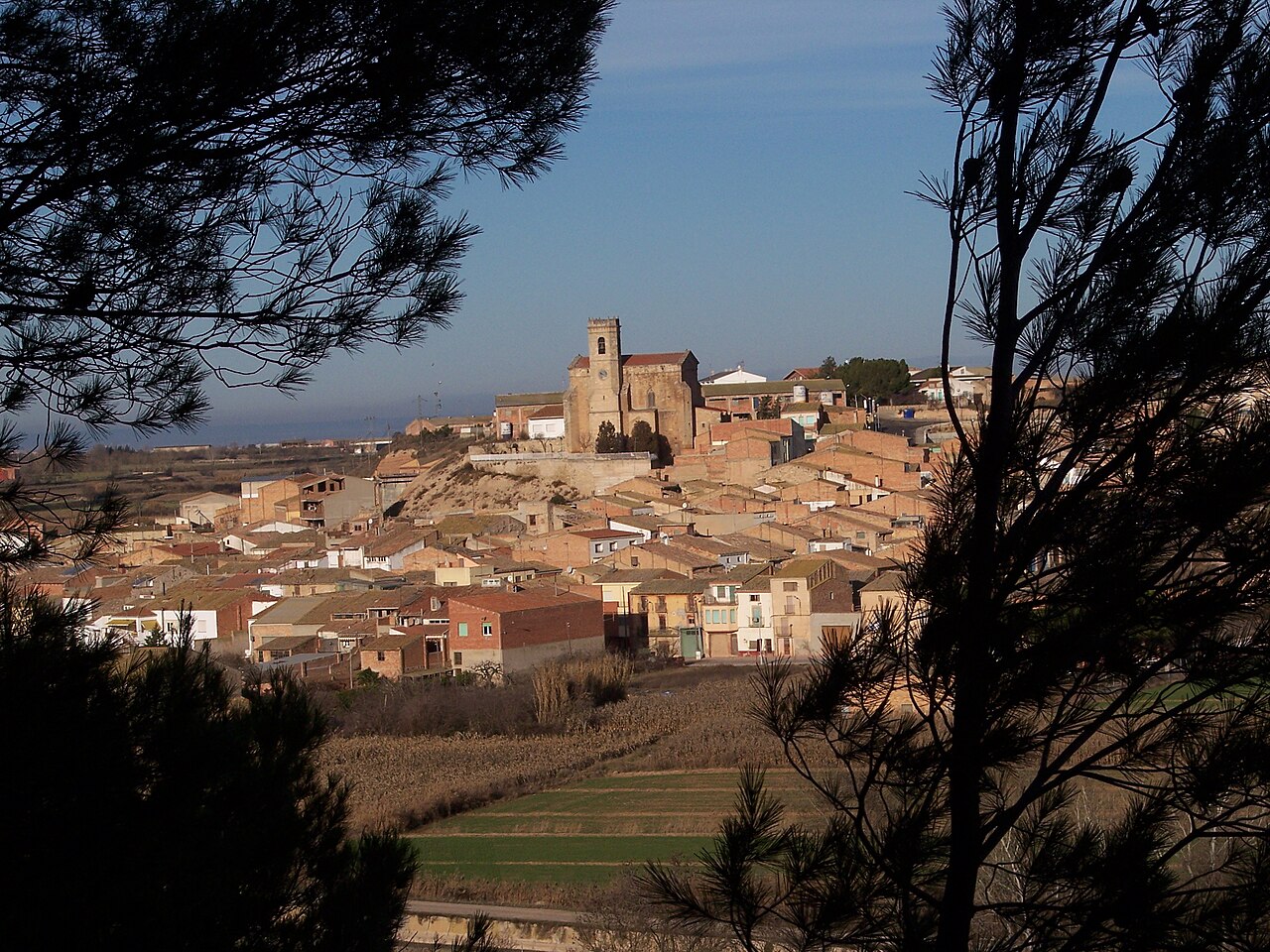
At dawn, the streets of Vilanova de Bellpuig still hold the cool trace of dew and the scent of damp earth. Daylight begins to filter between plain façades, many of them renovated yet still marked by an agricultural past that shows in small details. The calm within the village contrasts with the activity in the surrounding fields, where tractors set the tempo of daily life.
Vilanova stands in the centre of the Pla d'Urgell, about 290 metres above sea level. It lies between the fertile plain of the river Corb and stretches of drier farmland. Life here unfolds among cereal plots that change colour and texture with the seasons. In spring, bright green spreads across the fields. Summer turns them a deep gold under a hard sun. Autumn brings ochre tones, while winter often wraps everything in dense fog and silence.
The Simple Structure of an Agricultural Village
The parish church of Sant Joan Baptista rises at the centre of the village. Its architecture is austere, more a visual reference point than a monumental landmark. Walking through the streets reveals houses with worn stone doorways and old iron grilles, remnants of a more labour-intensive past. There are no grand historic buildings or lavish museums, only a clear continuity with a history rooted in working the land.
The surrounding fields shape the most obvious landscape. Flat expanses stretch outwards, cereal growing in neat lines as crops shift with the agricultural cycle. Early morning and late afternoon light soften the palette, making the apparent monotony richer in detail. In summer, at midday, the intense sun flattens every nuance and turns the fields into an almost uniform canvas.
The river Corb adds a subtle contrast. Its banks break the dryness of the plain and draw birds that feed or rest by the water. A short walk along rural tracks brings you to patches of vegetation close to the current, and occasionally to the sight of a fish breaking the surface in a quiet pool.
Exploring at an Unhurried Pace
Vilanova encourages slow exploration, whether on foot or by bicycle. Secondary roads link it to neighbouring villages such as Bellpuig and Anglesola. They are paved and usually carry little traffic beyond tractors during working hours. Because agricultural work is constant, it is sensible to avoid peak farming times, when heavy machinery moves along the roads without much warning.
A walk among the fields reveals how irrigation functions in this part of Catalonia. Narrow channels cross the plots, small reservoirs reflect the sky, and water birds search for food in damp areas created by the canals. There are no steep slopes or demanding trails, only dirt tracks that can fill with dust in summer when the dry heat intensifies.
Food here reflects what the land produces. Olive oil from Les Garrigues, sweet ripe fruit from Lleida and fresh vegetables grown nearby shape straightforward, hearty dishes. Traditional stews and cured meats show a direct link between field and table, without elaborate presentation.
The village can serve as a base for exploring the wider Pla d'Urgell, whether visiting other towns with more visible heritage or heading into nearby natural areas. The appeal lies less in specific sights and more in the daily rhythm of agricultural life and the small details that define it.
Traditions That Sustain Community Life
In August, the Fiesta Mayor brings a shift in pace. The streets fill with the sounds of open-air dances and popular activities that gather residents and those who return for the celebrations. The central square becomes the main stage, where simple shared moments define the atmosphere.
June brings the celebration of Sant Joan, a festival widely marked across Catalonia on the eve of St John. In Vilanova, bonfires are lit and the night stretches on after sunset while embers continue to glow. It is a tradition shaped by closeness and spontaneity, without large-scale spectacles yet firmly rooted in local custom.
Throughout the year, religious events and cultural activities linked to the territory also take place. They are aimed at those who want to understand how the community lives beyond a superficial visit.
Practical Information
From the city of Lleida, Vilanova de Bellpuig is about 25 kilometres away. The route follows the N-IIa towards Tàrrega and takes around half an hour when traffic is light. It is also accessible from the AP-2 motorway, taking the exit towards Bellpuig and continuing along local roads.
Spring and autumn are the most comfortable times to visit, with mild temperatures that make walking or cycling easier. Summer brings intense dry heat typical of inland Catalonia. In winter, persistent fog can settle over the plain, reinforcing the muted tones of the landscape.
Vilanova de Bellpuig does not rely on major attractions or headline monuments. Its character rests in cultivated fields, seasonal change and a way of life that still revolves around agriculture. For those willing to slow down, the village reveals itself through light on cereal crops, the steady movement of tractors and the quiet presence of the river Corb at the edge of the plain.