Full Article
about Capçanes
Wine-making village known for its kosher-wine cooperative and cave paintings.
Hide article Read full article
Capçanes: Un Pueblo de Llicorella y Viñas
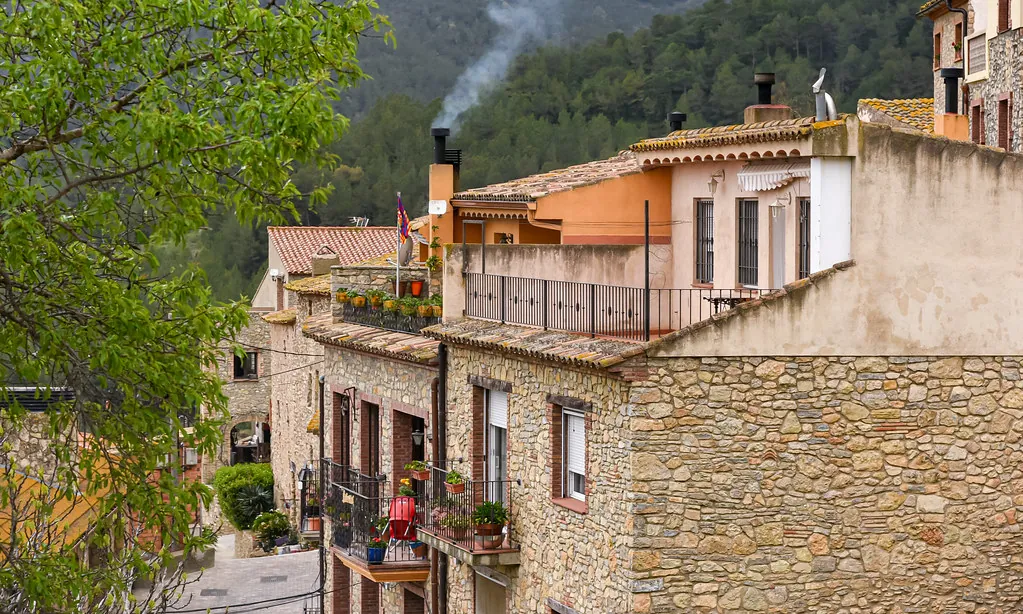
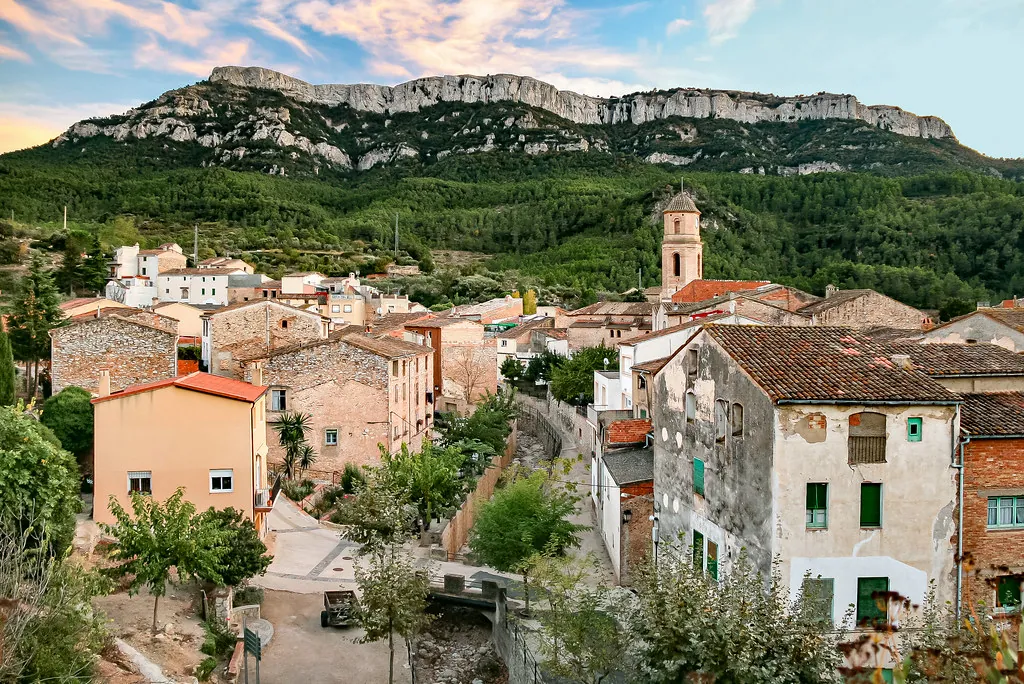
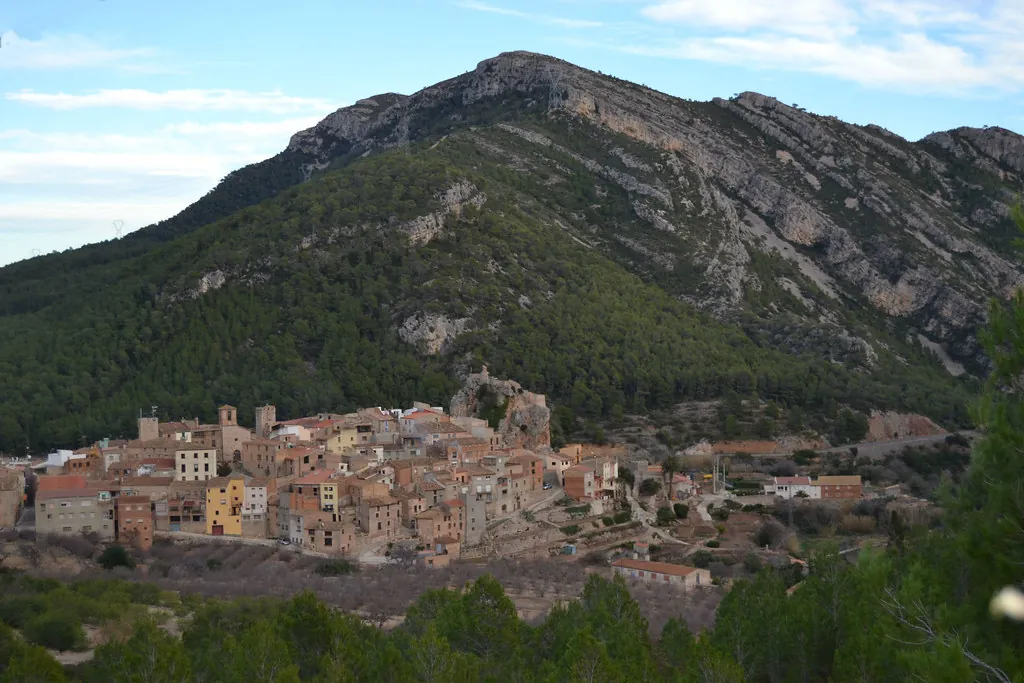
Capçanes se encuentra en el Priorat, una comarca donde la geografía dicta las reglas. El pueblo, de unos cuatrocientos habitantes, se asienta sobre un terreno quebrado de pizarra oscura, la llicorella. Aquí, casi toda la tierra útil se dedica a la viña. Las calles son estrechas y empinadas, típicas de un lugar donde el llano es un bien escaso. Las casas más antiguas, de piedra local, tienen puertas anchas para el paso de carros y anexos que fueron cuadras o almacenes. La arquitectura es la de un pueblo agrícola, sin pretensiones.
La iglesia parroquial de Sant Martí ocupa uno de los puntos altos del núcleo. El edificio actual muestra reformas de distintas épocas. Su importancia histórica radica menos en su valor artístico que en su función: durante siglos fue el centro alrededor del cual giraban la vida religiosa y comunitaria.
El Paisaje de la Llicorella
Al salir del último grupo de casas, las viñas comienzan de inmediato. El paisaje del Priorat no es suave; son laderas escarpadas sostenidas por bancales de piedra seca. Estos muros, construidos generación tras generación, son la respuesta a un suelo difícil. La llicorella fracturada obliga a cultivar en pequeñas parcelas escalonadas.
Los caminos agrícolas que serpentean entre las fincas revelan la estructura real del terreno. No es un mar continuo de viñedos, sino un mosaico donde se intercalan manchas de bosque mediterráneo y matorral. En primavera, el contraste entre el verde nuevo y la roca oscura es intenso. A finales del verano, el paisaje se seca y se vuelve áspero, un aspecto habitual en el interior de Tarragona.
Caminar aquí implica aceptar el ritmo que marca la pendiente. Las distancias engañan en el mapa. Cada terraceo representa un trabajo acumulado, un esfuerzo manual que se renueva cada año.
La Viña y la Cooperativa
La vida en Capçanes ha girado en torno al vino durante siglos, una actividad documentada desde la Edad Moderna. Como en muchos pueblos de la comarca, gran parte de la producción se organizó históricamente a través de una cooperativa agrícola, un modelo que permitió a los pequeños propietarios comercializar su cosecha y que sigue siendo central en la economía local.
El calendario lo marca la viña. La vendimia, generalmente entre finales de verano y principios de otoño, es el momento de mayor actividad. El trasiego de tractores y remolques entre los bancales y la bodega llena los caminos. Se nota, sin necesidad de saber de viticultura, que es la época crucial.
Este modelo cooperativo refleja la estructura de la propiedad: pequeñas parcelas en laderas complicadas que hicieron más sentido la colaboración que el aislamiento.
Calles y Arquitectura Práctica
Dentro del pueblo, calles como el Carrer Major o el Carrer de la Vinya conservan adoquinado y fachadas de piedra donde se reconocen soluciones del siglo XVIII. No son casonas señoriales, sino viviendas ligadas directamente al trabajo del campo. La prioridad era la función: puertas anchas, espacios anexos para guardar herramientas, orientación al sol.
La sensación es de continuidad. Aunque hay cambios, la relación básica entre el pueblo y la tierra cultivada permanece intacta. Las casas se agrupan, y justo después reaparecen los viñedos. No hay una frontera clara entre lo urbano y lo agrícola.
Senderos por los Bancales
Varios caminos salen de Capçanes hacia otros puntos del Priorat. Conectan con pueblos vecinos atravesando viñedos, barrancos y zonas de bosque bajo. No son grandes distancias, pero el desnivel es constante.
Estas rutas, que originalmente son pistas de acceso a los campos, ofrecen vistas amplias sobre el mosaico agrícola. Desde algo más de altura se aprecia mejor la escala del trabajo: los bancales siguen las curvas de nivel, los muros de piedra seca trazan líneas irregulares, cada parcela parece pequeña frente a la inmensidad de la ladera.
Caminar aquí sirve menos para llegar a un monumento concreto que para entender cómo la viña ha modelado el territorio. Se pisa sobre pizarra, con los muros de piedra seca a la altura del hombro.
Visitar Capçanes
Las mejores épocas para recorrer los caminos son la primavera y el otoño, cuando las temperaturas son más suaves. El verano puede ser muy caluroso en las horas centrales del día, algo típico del interior tarraconense. En invierno, el campo está más quieto y los días son cortos, pero esa quietud tiene su propio ritmo.
El núcleo urbano se recorre en poco tiempo. Lo que interesa no es una lista de monumentos, sino la coherencia entre el pueblo y su actividad. Para quien quiera comprender el paisaje del Priorat, Capçanes muestra con claridad cómo el cultivo de la viña ha determinado la forma del terreno y del asentamiento humano. Su historia está escrita en las laderas, en el suelo de pizarra y en el trabajo sostenido durante siglos.