Full Article
about Falset
Capital of Priorat and wine-making center with a striking Modernist winery and a medieval castle.
Hide article Read full article
A Small Town with the Scent of Wine
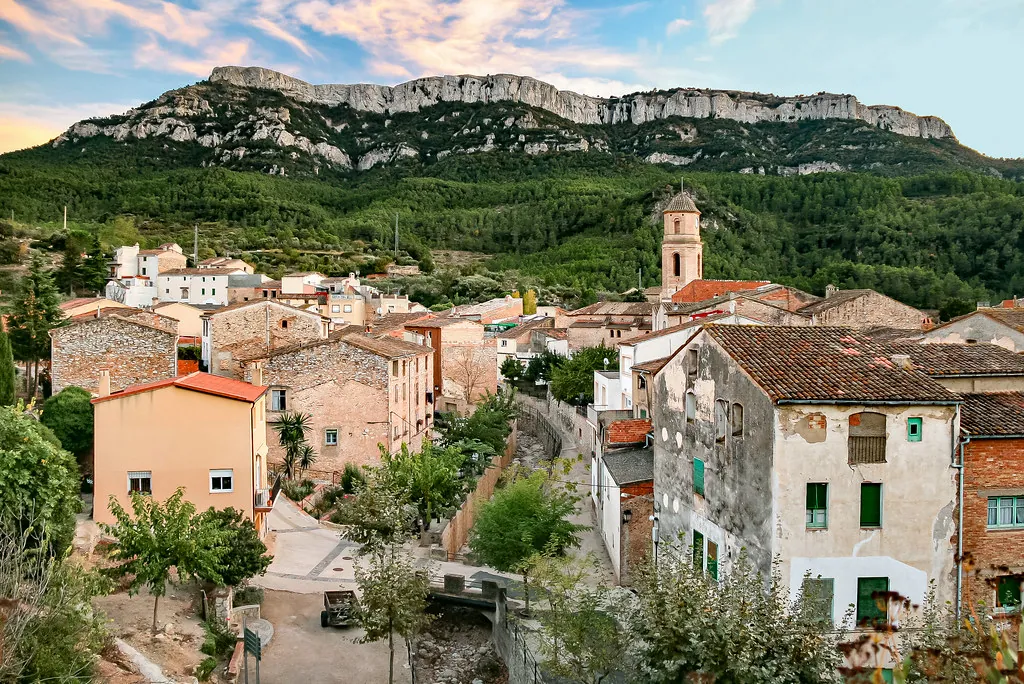
If Falset is on the itinerary, plan for a short stop. It does not take long to see. The town is small and everything lies within walking distance, although the old quarter climbs steadily uphill. Around midday, the air often carries the scent of rosemary and wine. This is not poetic exaggeration. During the grape harvest, tractors and trailers loaded with grapes rumble along the road to Gratallops. Vineyards surround the town and wineries are part of everyday life. This is the Priorat.
Falset is the administrative capital of the comarca, yet it feels modest in scale. Streets rise and dip, houses cluster around the hill, and beyond them stretch rows of vines. It works best as a pause in a wider route through Priorat rather than as a destination that fills an entire day.
Getting There and Parking
The N-420 is the straightforward route in. From Reus or Tarragona, the journey takes a little over half an hour.
There is a large parking area next to the secondary school and a smaller one near the castle. Spaces are usually available except in August or on busy weekends in the comarca.
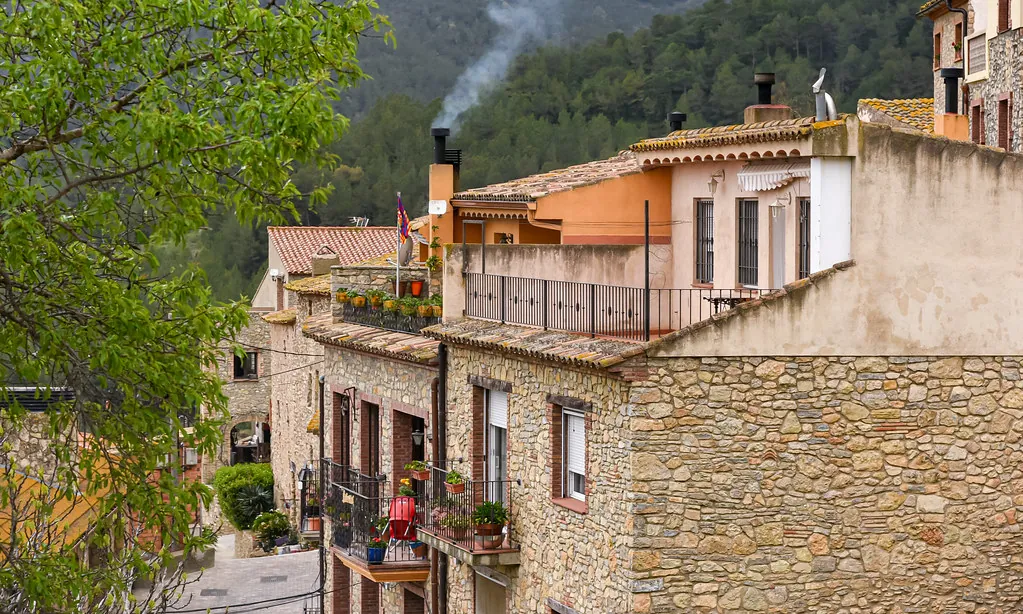
The old town has narrow streets and a noticeable incline. If travelling with someone older, it makes sense to drop passengers at the top before parking. The climb up from the lower part can feel long.
What to See, and What to Expect
The castle dominates Falset from above. What stands today has been heavily rebuilt. Do not expect an intact medieval fortress or rooms filled with historical displays. It is better understood as a solid building with battlements and a courtyard used by local residents. The reason to go up is simple: the views across the valley of the Priorat make the walk worthwhile.
From there, Carrer Major slopes down towards the church of Sant Joan. Outside of religious services, it is often closed. The façade and its setting can be seen quickly. In the old quarter, a few gateways and older houses remain, but this is not a large monumental complex. Falset’s appeal lies more in atmosphere than in a long checklist of sights.
The most interesting building in town is the Celler Cooperatiu. Designed by César Martinell in the early twentieth century, it belongs to the tradition of agricultural modernisme. Martinell was one of the architects associated with this movement, which adapted modernist ideas to rural and industrial buildings linked to wine production. The structure features exposed brick, broad arches and a very high central nave created for working with wine. Visits or tastings are sometimes organised. Even without going inside, the exterior and courtyard clearly reveal the scale and design.
Food and Wine in the Capital of Priorat
Wine sets the tone here. As the administrative capital of Priorat, Falset reflects the character of the region in its menus and wine lists. Bottles from local wineries appear frequently.
The cooking leans towards hearty dishes. In winter, cocido con pelotas is common. This is a substantial stew with large meatballs and a rich broth. Roast lamb with herbs also appears regularly. It is not light cuisine.
Ordering wine by the glass usually means something from nearby cooperatives or wineries. The best known Priorat labels tend to rise quickly in price on any list. Even so, the connection between table and vineyard feels immediate. The landscape seen from the castle or along the road to Gratallops is the same landscape that fills the glass.
When to Go, When to Think Twice
During the harvest, between late summer and early autumn, the atmosphere shifts. There is more movement in the wineries and in the fields. On some days, the smell of grape must hangs in the air. Tractors pass more frequently, and the rhythm of the town adjusts to the work in the vineyards.
August brings heat and an increase in people who have second homes in the area. Falset remains small and fills up quickly.
In the depths of winter, the pace drops sharply. On weekdays, there may be little open and not much happening. That quiet can appeal to some visitors, but it is worth knowing in advance.
A Practical Way to Plan the Stop
Falset works best as part of a broader route through Priorat. A short walk through the old streets, a look at the Celler Cooperatiu, a pause at the castle to take in the valley, and then on towards the vineyard villages nearby.
Park at the top, walk without rushing and do not schedule more than a couple of hours here. The rest of Priorat lies just a few kilometres away, and that is where the day naturally stretches out.