Full Article
about Gratallops
Epicenter of Priorat’s wine renaissance, ringed by world-renowned vineyards and boutique wineries.
Ocultar artículo Leer artículo completo
The tractor blocking Carrer Major has a dozen crates of garnacha grapes lashed to its trailer and a sticker that reads "Wine improves with age, I improve with wine." Nobody honks. An elderly woman simply reverses her Renault into a doorway until the road clears, then continues uphill past stone houses whose ground floors glow with the ruby light of tasting rooms. This is Gratallops at eleven on a Tuesday morning: population 237, attitude unapologetically vinocentric.
A Village Poured from Rock
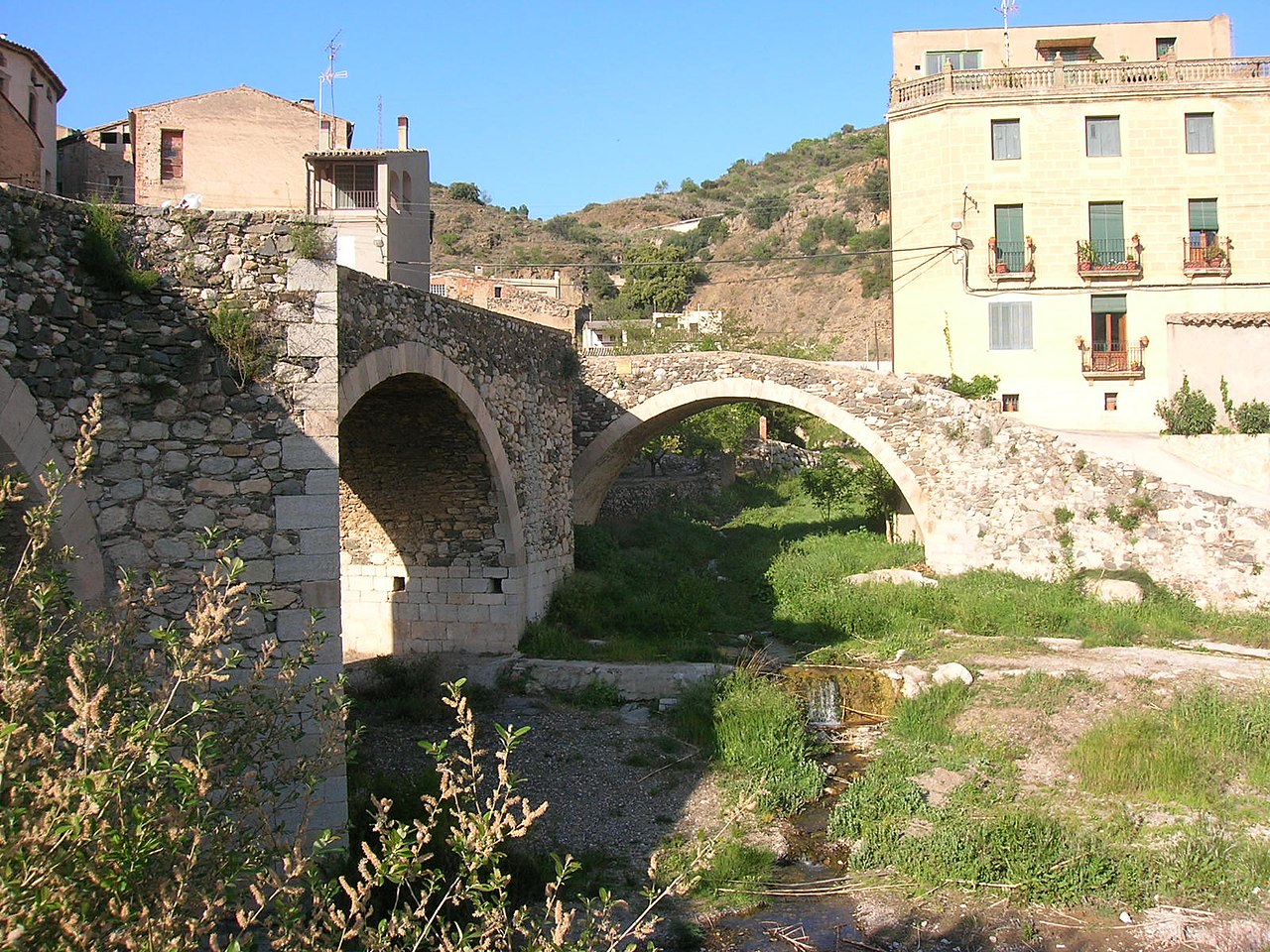
Gratallops sits 320 metres above sea level on a shelf of grey slate the locals call llicorella. The rock fractures into glittering plates that slice through the vineyards like shark fins, forcing every root to struggle. That struggle is bottled a few metres away in cellars whose walls are made from the same stone, so the wine literally emerges from its own geology. British drinkers who know Priorat only through £60 restaurant labels are startled to find the region’s epicentre is a single-lane village where the petrol station is a man with a jerry can and the nearest cash machine is eight kilometres down the road in Falset.
The setting is theatrical. Terraces known as costers climb at angles that would make a Highland sheep think twice, stitched together by dry-stone walls that predate the 1163 charter. From the small mirador beside the church of Sant Llorenç the view runs south across the valley to the Sierra de Montsant, a saw-tooth ridge that catches afternoon cloud and funnels cool air onto the vines. In October the leaves turn copper against the slate and the hills look like spilled pennies on a wet pavement. Bring sunglasses; the glare off bare rock can be vicious even in March.
Tasting Notes and Twisted Ankles
Wine tourism here is not the polite choreography of Napa or the Rhine. Walk-in visitors are often met with a polite shrug; cellar doors keep farming hours. Phone the day before, preferably in Spanish, and you’ll be allotted a slot between tank cleaning and lunch. Most tastings happen in converted garages where the winemaker pours his own barrels and the spittoon is an old olive-oil tin. Half-glasses are standard, so you can sample three vintages of claustrophrowing garnacha without wobbling back into daylight.
The big names—Alvaro Palacios, Clos Mogador—charge €20–€30 for a guided flight, but the village also shelters micro-projects run by twenty-somethings who left Barcelona desks to coax carignan from abandoned plots. Their bottles, labelled with ink-jet stamps, sell for €15 and will never reach Oxfordshire merchants. Ask for vi jove if you want fruit without the tariff; the oak-aged gran reserves start at €45 and climb beyond £200 in Borough Market.
Between tastings you walk. The GR-174 footpath leaves the church porch, drops past a ruined olive press and splits into vineyard tracks that link Gratallops with neighbouring hamlets. Distances look toddler-friendly on the map—Porrera is 4 km—but the gradient chart resembles a lie-detector test. Allow an hour for every two kilometres and carry more water than you think civilised. In July the slate radiates heat like a storage heater; hikers have been treated for dehydration 200 metres from the village edge. Conversely, January nights drop below freezing: the same slate holds no warmth and the roads ice over, making the drive from Reus airport an adventure in third gear.
What You’ll Eat When You’re Not Drinking
There are two restaurants and one grocery shop; all shut on Tuesdays outside high season. Cal Tiques serves grilled escalivada—aubergine and peppers blackened over vine cuttings—then pork cheeks braised in last year’s carignan. The dish arrives in a clay bowl broad enough to bath a cat and costs €14. They’ll split portions for children, but there is no children’s menu; fussy juniors get bread rubbed with tomato and a lecture on fibre. Vegetarians survive on goat-cheese salads and the excellent local olive oil, pressed from arbequina olives grown on the lower slopes towards Falset. Pudding is either crema catalana or nothing; the nearest supermarket ice-cream lives 25 minutes away.
Lunch starts at 13:30 sharp. Arrive at 15:00 and the kitchen is mopping up. Dinner service finishes by 22:00, so book when you reserve your winery visit or you’ll be making sandwiches from the village’s limited provisions: tinned tuna, dried figs and wine, always wine. The single bar, El Cau, pours until 23:30 but has been known to close early if the owner’s harvest alarm is set for dawn.
When to Come, How to Leave Without a Hangover
May’s Tast amb Llops weekend sees every cellar open with English-speaking staff and half-bottle takeaway cartons. Spring also brings wild rosemary and temperature highs of 22 °C—perfect for walking the costers without fainting. Autumn colours peak in late October, coinciding with the harvest fiestas; tractors clog the streets again, but nobody minds because the air smells of crushed grapes and wood smoke. August is the fiesta mayor: brass bands, paella for 200 in the square, and temperatures that turn bedrooms into saunas unless you close the shutters at sunrise. Stone walls keep heat out only if you treat them like caves.
Reus airport, 45 minutes away on the C-14, receives Ryanair flights from Manchester, Birmingham and Stansted outside winter. Hire cars are collected in the terminal; the last reasonable fuel price is the Repsol on the T-11 ring road. After that the ascent begins—first 20 km of swooping dual carriageway, then 8 km of hairpins up from Falset. Meet a coach on one of these bends and someone reverses 200 metres; coaches rarely come, which is part of the appeal. Buses terminate in Falset; onward taxis cost €25 and must be booked the previous day.
The Morning After
Checkout time in the village houses is 11:00, but most guests are up early, wandering the lanes with takeaway cups, photographing dew on spider webs strung between vine posts. The church bell strikes eight and a tractor starts somewhere below the ridge, the mechanical counterpart to a blackbird singing from a TV aerial. You leave with purple-stained teeth, a boot full of bottles and the realisation that Priorat’s prestige rests not on marketing departments but on 237 people who still argue about rainfall at the letterbox. Gratallops will not entertain you after midnight, sell you an "I ❤️ Priorat" T-shirt or accept contactless payment. It will, however, let you taste wine that tastes of the ground it came from, then send you home wondering why more places don’t taste of anything at all.