
Full Article
about La Torre de Fontaubella
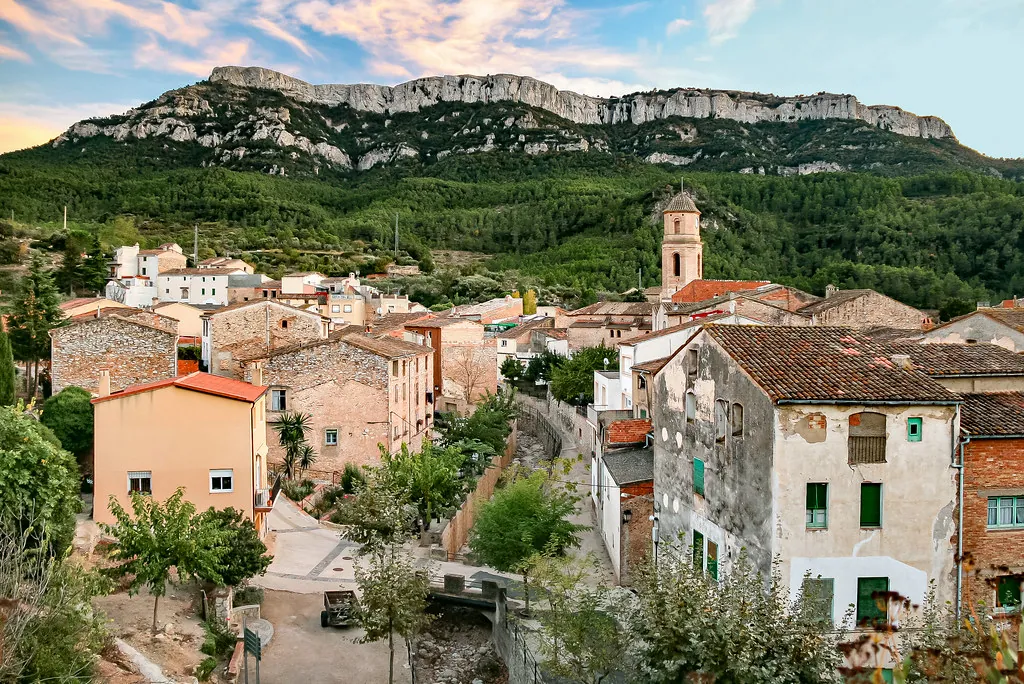
Small village at the foot of Mola de Colldejou, surrounded by woods and quiet.
Hide article Read full article
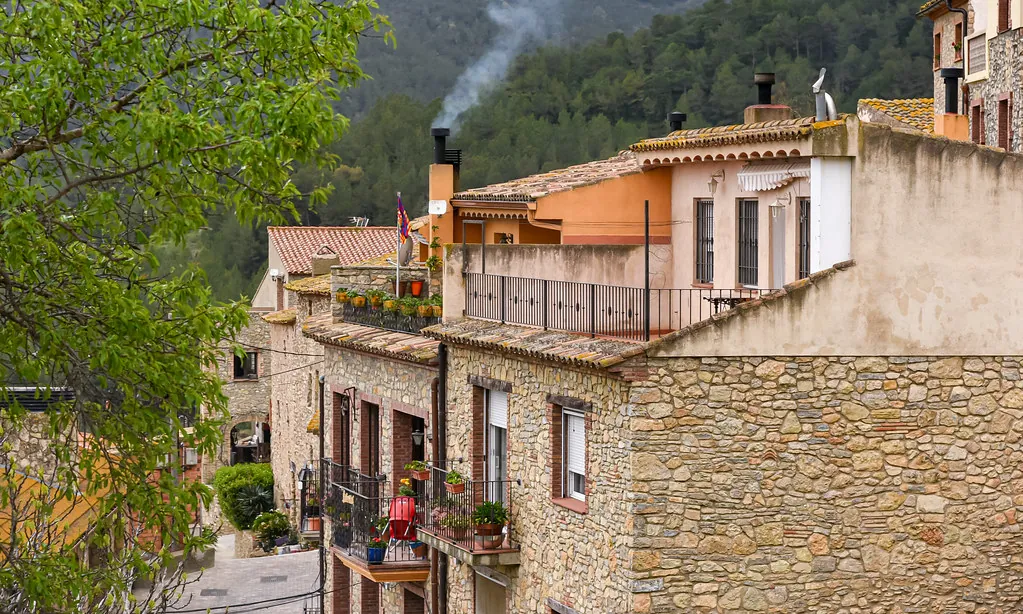
La Torre de Fontaubella es ese tipo de pueblo que te hace sentir como si hubieras llegado a casa de un familiar, no a un escenario. No hay carteles que señalen “la foto”, ni tiendas de recuerdos. Solo calles que suben porque había una casa arriba, y piedra que ha visto pasar más vendimias que turistas.
Con poco más de cien habitantes, el ritmo lo marca el día, no la guía. Está en el Priorat catalán, pero no es el que sale en los reportajes de vinos caros. Es el otro: el de la piedra seca, las cuestas serias y el silencio que solo rompe un tractor a lo lejos.
Un núcleo que se recorre en diez minutos (pero se tarda una hora)
Podrías dar una vuelta al pueblo en un paseo corto. De hecho, probablemente lo harás sin darte cuenta, porque las calles se repiten y las fachadas de piedra tienen ese aire de familia. La iglesia de Sant Martí hace de faro, como en casi todos los pueblos, pero aquí no es un monumento aislado: es parte del mobiliario urbano.
El trazado es el clásico desorden con sentido de los pueblos que crecieron a base de añadir una casa cuando hacía falta. Las pendientes mandan. No hay simetría, hay adaptación. Sabes que estás en un sitio real cuando ves una manguera enrollada en una puerta y unas botas viejas en un escalón.
Viñas y llicorella: el paisaje que duele
Sales del pueblo por cualquier camino y te encuentras con el auténtico espectáculo: las terrazas. Bancales sujetos por muros de piedra seca que parecen contener la montaña a base de voluntad. Y ese suelo oscuro y partido por todas partes: la llicorella.
Aquí entiendes, sin que te lo tengan que explicar, por qué los vinos del Priorat tienen ese carácter. Ver cómo las cepas se agarran a la pendiente sobre esa pizarra negra ya te dice todo sobre el trabajo que hay detrás de cada botella. No es un paisaje bonito; es un paisaje honesto, duro. De esos que te hacen pensar “menuda faena”.
El Montsant siempre presente
Desde varias esquinas del pueblo asoma la silueta rocosa de la Serra de Montsant. No hace falta ir hasta allí para sentirlo; su presencia se nota en el aire seco y en la luz blanca del mediodía.
No esperes una red de senderos señalizados con balizas nuevas. Lo que hay son pistas agrícolas, las de toda la vida, que suben entre viñas hacia alguna loma desde donde se ve todo el valle. En verano, muchos barrancos están secos y el conjunto tiene esa austeridad casi africana tan propia del Priorat.
El vino no es una atracción, es lo que hay
Aquí no vas a “una experiencia enoturística”. El vino es la economía, el paisaje y la conversación. Hay bodegas familiares pequeñas, muchas vinculadas a sus propias viñas justo ahí al lado. Si coincides con alguien y surge la charla, te hablarán del terreno como quien habla de un vecino: sabiendo cómo reacciona con sol o con lluvia.
La gracia está en eso: en ver cómo lo que bebes nace literalmente de la tierra que pisas. Son vinos con carácter, claro, pero aquí ese carácter tiene cara de piedra y espalda doblada.
Comer como se ha comido siempre
La cocina va en la misma línea: directa. Aceite con peso, frutos secos, guisos contundentes y esas cocas saladas con verduras que encuentras por los pueblos cercanos. Cuando toca, también hay platos de caza.
Son comidas hechas para aguantar una jornada en el campo y para llevarse bien con los vinos locales. Nada complicado, todo basado en lo que da la tierra justo aquí alrededor.
Un ritmo propio (y lento)
La Torre no vive pendiente del calendario turístico. Hay fiestas locales durante el año, como en cualquier pueblo, pero nada pensado para llenar folletos.
La visita ideal aquí consiste casi en no hacer nada específico: pasear por las tres calles principales, tomar uno de esos caminos entre viñas sin otro objetivo que andar un rato, y sentarte en algún banco a ver cómo cambia la luz sobre la llicorella.
Es uno de esos sitios pequeños donde enseguida captas cómo funciona todo. La escala es humana; lo ves todo rápido pero algo se te queda dentro. Te vas con la sensación clara de haber estado en un lugar hecho a base oficio y paciencia, donde el tiempo todavía va a otro compás