Full Article
about Marçà
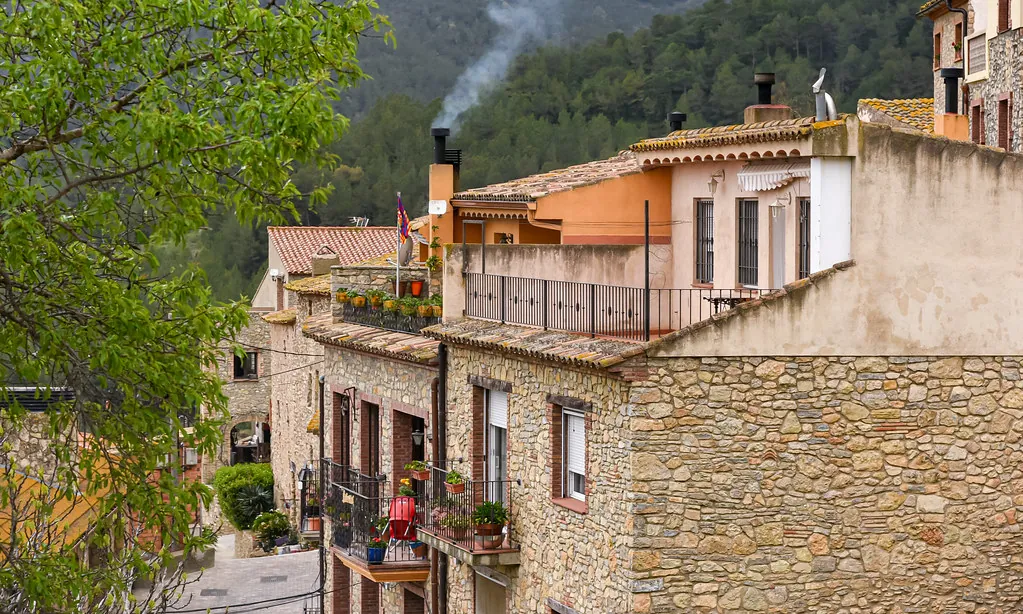
Town surrounded by vineyards and forests, with a Mediterranean turtle interpretation center
Ocultar artículo Leer artículo completo
The tractor arrives at 7:30 am sharp, hauling crates of garnacha grapes past Bar Nuevo's terrace. Nobody looks up. In Marçà, this counts as rush hour.
Three hundred and fifteen metres above sea level, where the Serra de Llaberia's folds soften into vine-covered terraces, this village of 599 souls operates on agricultural time. Mobile reception flickers in and out. The bakery sells out by 10 am. And the surrounding landscape—row upon row of ancient vineyards stitched together by dry-stone walls—explains why Unesco's knocking at Priorat's door.
The Wine That Built the Walls
Marçà's existence hinges on what grows from its licorella soil. This reddish slate, cracked like burnt toffee, forces vine roots to dig 25 metres deep for water. The struggle shows in the glass: Priorat reds carry a mineral punch that commands £40-£80 back in London. At Celler Masroig, five minutes' drive towards the main road, tastings run €8 including three wines and enough local gossip to understand why your neighbour's harvest failed.
The village's own cooperative, established 1912, operates from a functional warehouse behind the football pitch. Their basic red, sold in unlabelled bottles from the loading bay, costs €4.50. It's honest table wine—nothing revolutionary, but it'll ruin supermarket Rioja forever. Bring cash. They close for lunch 1-3 pm, longer in summer when temperatures hit 38°C and vineyard work shifts to dawn.
Stone terraces climb every available slope. Some date to Carthusian monks who arrived in 1095, others were rebuilt after phylloxera wiped out vines in the 1890s. Walking the PR-C51 footpath south towards Capçanes, you'll pass abandoned charcoal-making sites—medieval industry that cleared these hillsides for agriculture. The three-hour loop returns via the Ermita de Sant Pau, a 12th-century chapel converted into a remarkably uncomfortable refuge for hikers.
When the Day's Work Ends
Evenings centre on Plaça de l'Església, where elderly residents claim the metal benches by 6 pm sharp. The church tower, rebuilt after civil war damage, chimes every quarter-hour—unnecessary accuracy in a place where appointments run loosely at best. Younger families gather at Bar Nuevo's corner tables, sharing plates of escalivada (smoked aubergine and peppers) and debating whose turn to collect children from the adjacent playground.
Accommodation options remain limited. Casa Gran provides three rental apartments in a restored manor house; €70-90 nightly depending on season. Rooms face the vineyards, though the church bell ensures no lie-ins. Alternative stays scatter across surrounding farms—look for 'agroturisme' signs hand-painted on terracotta tiles. These working properties offer simpler rooms (€45-60) but include breakfast featuring their own olive oil, honey, and occasionally homemade wine that hasn't quite mastered stability.
Restaurant choices reflect population size. Ca La Conxa opens weekends only, serving mountain rice dishes heavy on rabbit and wild mushrooms. Their €18 menu del día, available Sunday lunch, represents decent value until you remember London prices. During weeknights, Bar Nuevo doubles as the village canteen—grilled sausages, tomato-rubbed bread, and wine served in glass tumblers. Vegetarians face limited options; vegans should consider self-catering.
Beyond the Harvest Calendar
Spring brings almond blossoms transforming hillsides white-pink, usually late February depending on winter rainfall. Temperature swings prove dramatic: 20°C afternoons drop to 5°C after sunset. Pack layers, particularly for early morning vineyard walks when mist pools between terraces like spilt milk.
Summer intensifies everything. By July, the landscape turns golden-brown; only irrigated vines remain green. Local wisdom suggests siestas aren't lazy—they're survival. August's Fiesta Mayor fills the plaza with sardana dancing and enough fireworks to terrify every dog within kilometres. Accommodation books solid; reserve months ahead or base yourself in larger Falset, fifteen minutes' drive north.
Autumn delivers the money shots. Vine leaves shift through vermillion and burnt orange while harvest activity peaks. Photographers arrive seeking that perfect sunrise-through-mist shot, though they'll need 5 am starts and sturdy boots. The real action happens around the cooperative weighbridge, where grape-laden tractors queue from 6 am, drivers clutching cortados and comparing sugar readings.
Winter strips everything back. January's Sant Antoni festival features bonfires and horse blessings, continuing traditions older than the village's recorded history. Snow falls perhaps twice yearly, isolating the village when it sticks. Many restaurants close January-February; call ahead rather than risk disappointment.
The Reality Check
Marçà demands transport independence. Buses from Reus airport involve two changes and take three hours—assuming connections align. Car hire remains essential, particularly for visiting scattered wineries. Roads twist sharply; the scenic route from Tarragona adds forty minutes to what maps suggest. Sat-nav loses signal in valleys; download offline maps before departure.
English remains limited beyond tourism offices. Learning basic Catalan phrases marks you as respectful rather than tourist. 'Bon dia' costs nothing, opens doors. The village pharmacist speaks some English; everyone else communicates through gestures and patience.
Mobile coverage improves yearly but dead zones persist. Embrace disconnection rather than fighting it. The bakery won't accept cards under €10. Cashpoints require driving to Falset or Margalef—plan accordingly for Sunday lunches when everything closes.
This isn't postcard Spain. You'll see plastic agricultural tubing, rusting machinery, and half-finished renovations where money ran out. But you'll also witness agricultural rhythms unchanged for centuries, taste wines expressing soil you can walk through, and discover that real villages—working, living communities—offer something no heritage centre ever could.
Just remember to step aside when the tractor returns. Harvest waits for nobody, especially not visitors admiring the view.