Full Article
about Benissanet
Fruit-growing town on the right bank of the Ebro, known for its peaches and cherries.
Ocultar artículo Leer artículo completo
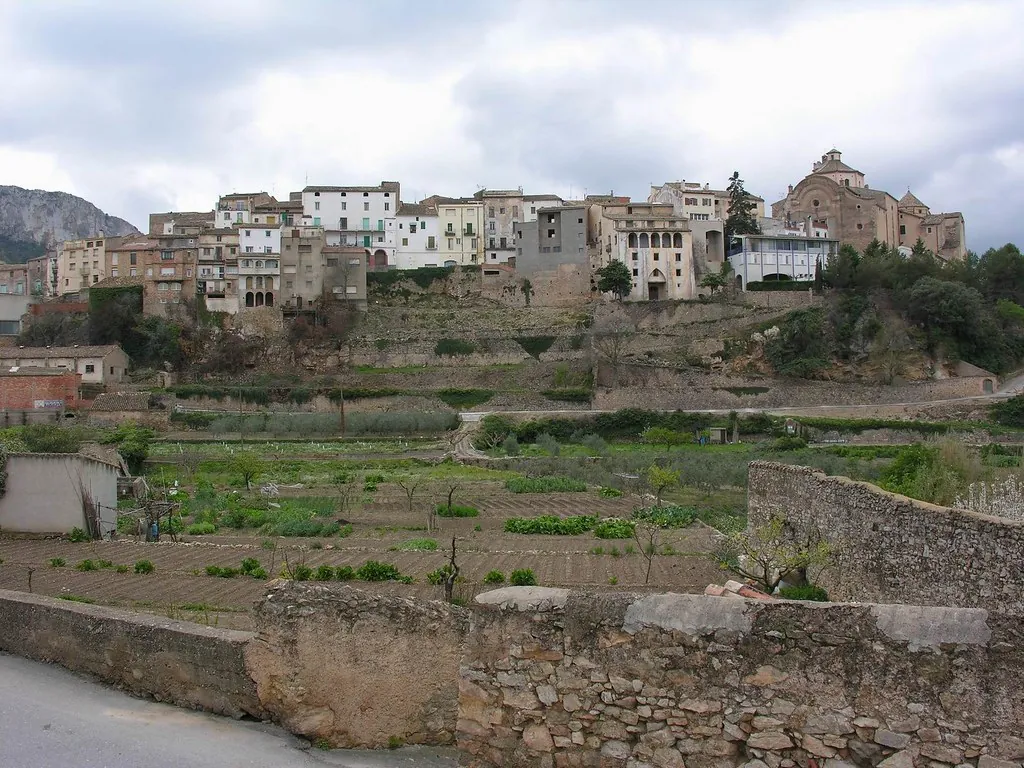
The river arrives before the village does. Even on the approach road from Móra d’Ebre, the Ebro is already wider than any British stream, sliding past orchards of peaches and late cherries with the lazy confidence of water that has crossed half the peninsula. Benissanet sits only twenty-six metres above sea level—low enough for the air to feel heavier, scented with damp poplar and wet stone. There is no dramatic gorge, no cliff-top castle, just a workaday grid of streets that ends abruptly in a concrete boat ramp and a row of fishing rods propped like unattended brooms.
Mud, Fruit and Moorish Footnotes
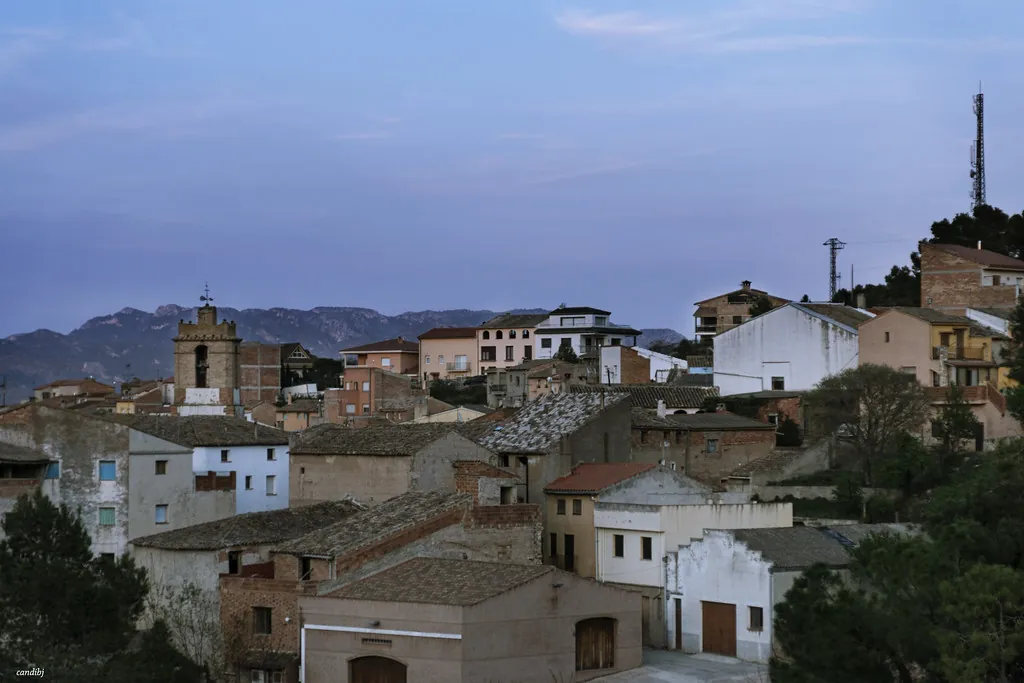
The name is Arabic in origin—"banu Sanet", the sons of Sanet—though you will search in vain for minarets or horseshoe arches. What remains is a compact grid of stone-and-render houses, their ground floors once stables or storerooms, now garages or shuttered workshops. The only obvious antiquity is the eighteenth-century church of Sant Joan Baptista, its baroque doorway recently scrubbed clean of river grime. Step inside and the temperature drops; gilt altars glint in the half-light, but the real attraction is acoustic rather than visual. On still evenings the building hums with the Ebro’s slow pulse, a sound that locals swear gets louder when the water is high.
Round the back streets you see how the place earns its living: pallets of fruit waiting for the cooperativa lorry, a workshop repairing aluminium ladders, an elderly man spraying irrigation pipes with a pressure hose. Tourism is tolerated rather than courted. The single cash machine dispenses €50 notes and looks relieved when it succeeds.
Pedal, Paddle, or Sit Still
Active visitors usually arrive with folding bikes strapped to the back of hire cars from Reus airport, forty-five minutes away. The Via Verde del Baix Ebre passes three kilometres south of the village—close enough to reach by lane but far enough that you will not stumble on it by accident. The gravel track follows the old railway south-east to Tortosa, dead-flat and shaded by carob and pine. A lazy out-and-back of twenty kilometres brings you to the delta rice paddies, where glossy ibis stalk between the shoots and the smell turns from fruit to brine.
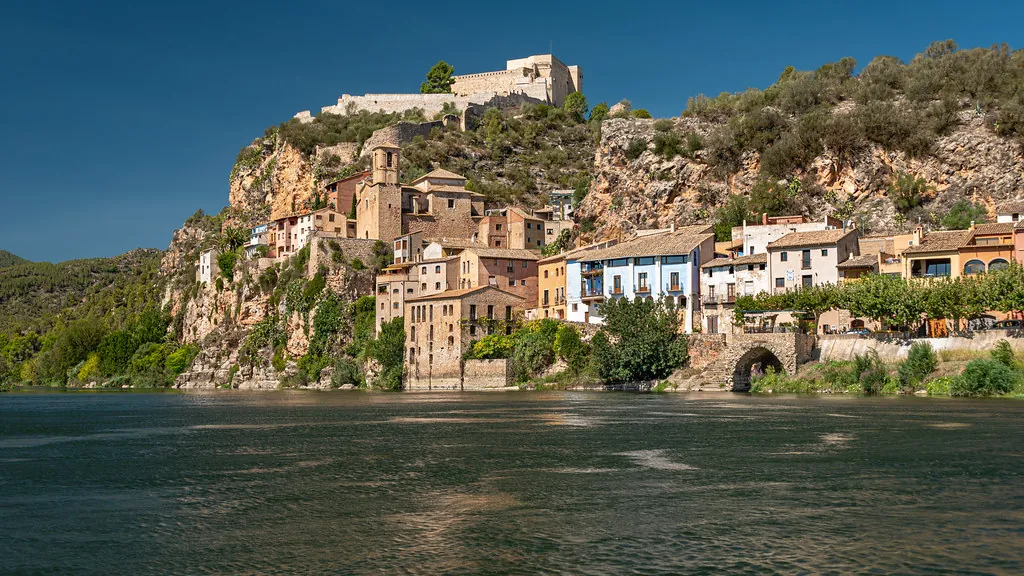
If cycling feels too energetic, kayaks can be rented in nearby Miravet. The usual downstream drift to Benissanet takes two hours, just enough time to notice how the riverbank changes: from sheer limestone at Miravet castle to soft alluvial mud here, criss-crossed by coypu trails. Mid-stream, the current is gentle but deceptive; British paddlers accustomed to canal etiquette should keep an eye upstream for barges pushing 500 tonnes of building aggregate. They cannot swerve.
Prefer to stay dry? Bring binoculars and patience. At dawn the Ebro becomes an avian conveyor belt: night herons flap home as kingfishers replace them, and osprey circle overhead on thermals rising off the water. The best vantage is the modern road bridge on the western edge of town—concrete, functional, and mercifully free of love-locks.
Calories That Float or Grow
Lunch options are limited to two bars and a bakery that shuts at 13:00 sharp. Both bars serve the same short menu: river eel stew (angula), rice with river snails, and grilled bream whose provenance depends on whether the local cooperativa has had a decent catch. Prices hover around €14 for three courses including wine that arrives in a glass bottle with no label. The eel looks alarming—black ribbons in oily sauce—but tastes like mild mackerel if you can get past the visual. Vegetarians will end up with tortilla and salad; vegans should pack sandwiches.
Fruit is the safer reward. From mid-June until early August the cooperative shop sells peaches so ripe the skin slips off in one piece. Buy a kilo for €2 and eat them immediately; they bruise like a British rugby player and will not survive the drive back to Salou.
When the River Throws a Party
Benissanet’s main fiesta centres on Sant Joan, 23–24 June. Technically this is midsummer; in practice it feels like a village barbecue that got out of hand. At dusk locals drag entire tree trunks to the riverbank and set them alight. The fire is supposed to jump over, not into, the water; some years the civil guard arrive with extinguishers when sparks drift towards plastic kayaks stacked downstream. Midnight brings a procession: brass band, statue of the saint, and children hurling bangers that echo off the church walls like gunfire. Visitors are welcome provided they bring their own beer—Damm Estrella, drunk from cans wedged in the river-cooled sand.
A smaller peach fair appears at the end of August, mostly an excuse for elderly men to argue about irrigation rights while their wives sell homemade membrillo. Neither event clogs accommodation; you can still find a double room the same week, though the only en-suite option, Hostal la Creu, books up early with Spanish anglers who snore.
The Catch: Heat, Flies and Closed Doors
Honesty requires mentioning the downsides. July and August temperatures sit stubbornly in the mid-thirties; the river breeze helps, but the flies are relentless. Afternoon shutdown is real—don’t expect coffee after 16:00 unless you have a machine in your rental flat. English is patchy: younger bar staff cope, older villagers answer in rapid Catalan and point. Mobile coverage is weak on the riverbank; download offline maps before you leave the AP-7.
Winter is gentler, 14 °C by day, but many restaurants close between November and March. The kayak outfitters pack up in October and reappear at Easter. Come in late April instead and you get blossom, empty roads, and hotel prices half those on the Costa Dorada.
Leaving Without a Fridge Magnet
There is no souvenir shop. The closest thing is a vending machine outside the town hall that dispenses local olive oil in 250 ml plastic bottles. Take one, or simply pocket a smooth river stone; the Ebro drops fresh gravel every flood season and nobody will mind. As you drive away, the orchards give way to motorway and the river disappears behind limestone bluffs. What lingers is the pace: fruit ripens when it ripens, fish bite or they don’t, and the water keeps moving south towards the delta, indifferent to whether you stayed for dessert.