Full Article
about Flix
Town on a bend of the Ebro with a Carlist castle and a wildlife reserve.
Ocultar artículo Leer artículo completo
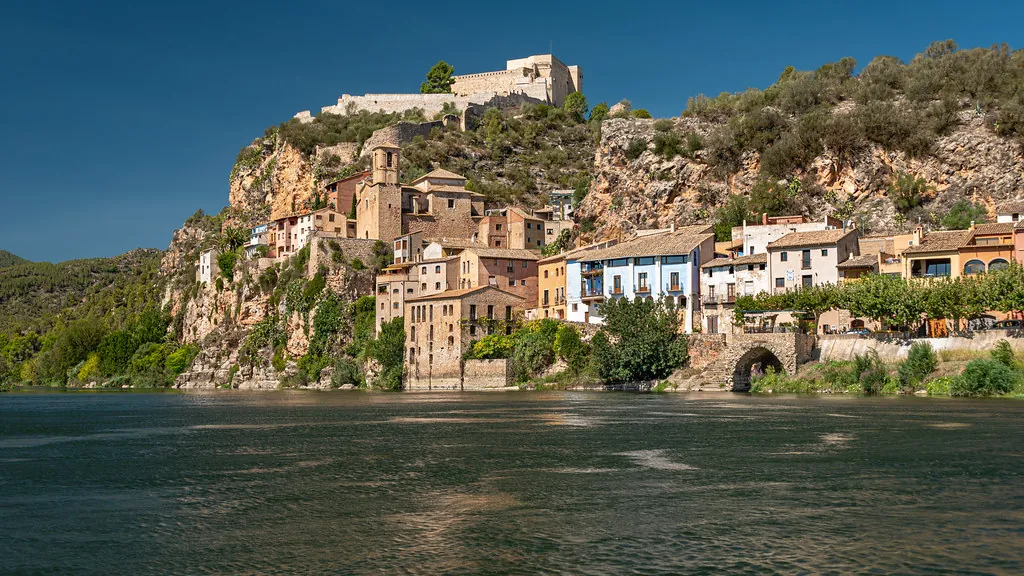
The Ebro makes a perfect question-mark around Flix. Stand on the castle mound at dusk and the river glints like polished pewter, looping so tightly that the town appears to sit on its own island. It is the sort of geography that once answered everything: water, defence, transport, money. Now it frames a place trying to work out what comes after the factory siren.
Flix never had the postcard luck of coastal villages. Its skyline is a row of cranes from the electro-chemical plant, not yacht masts. Yet the same river that fed the turbines also carved a 280-degree meander, creating one of the largest freshwater reed beds in Catalonia. Traffic on the C-12 still rushes past, but turn off and you find a five-thousand-strong community negotiating an uneasy truce between heavy industry and the binocular-toting Brits who have discovered the Sebes Nature Reserve.
A castle without a queue
The road up to the Castell de Flix is barely two cars wide and has no pavement; trainers are advised, flip-flops will be punished. At 10 a.m. sharp a volunteer appears, pockets jangling with keys, and leads the first group through a Gothic gateway that still bears 14th-century arrow slits. Inside there is no gift shop, no audio guide, just stone walls and a 360-degree platform that shows why the Moors bothered: olive groves to the west, river flats to the east, chemical flares to the south. The custodian’s commentary is delivered in rapid Catalan; English leaflets ran out in 2019 and were never reprinted. Bring a phrase book or simply enjoy the breeze—there is no afternoon opening on Mondays.
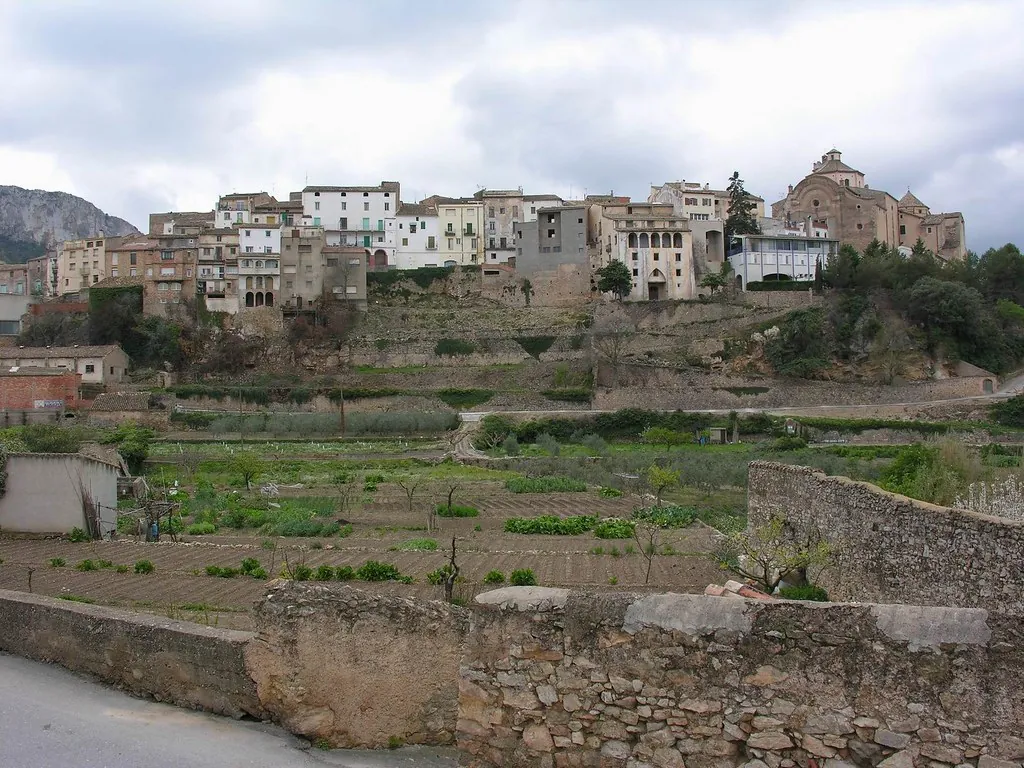
Back in the grid of low houses, the parish church of Sant Pau shoulders its way into every photograph. Baroque, 1779, slightly too tall for its width. The interior is cooler than the street and smells of wax and river damp. A side chapel displays a model of the old suspension bridge, built 1859, now rusted and closed to walkers. Children use it as a fishing platform; parents shout from the modern viaduct that replaced it in 1994.
Rice, shad and the €1.20 cortado
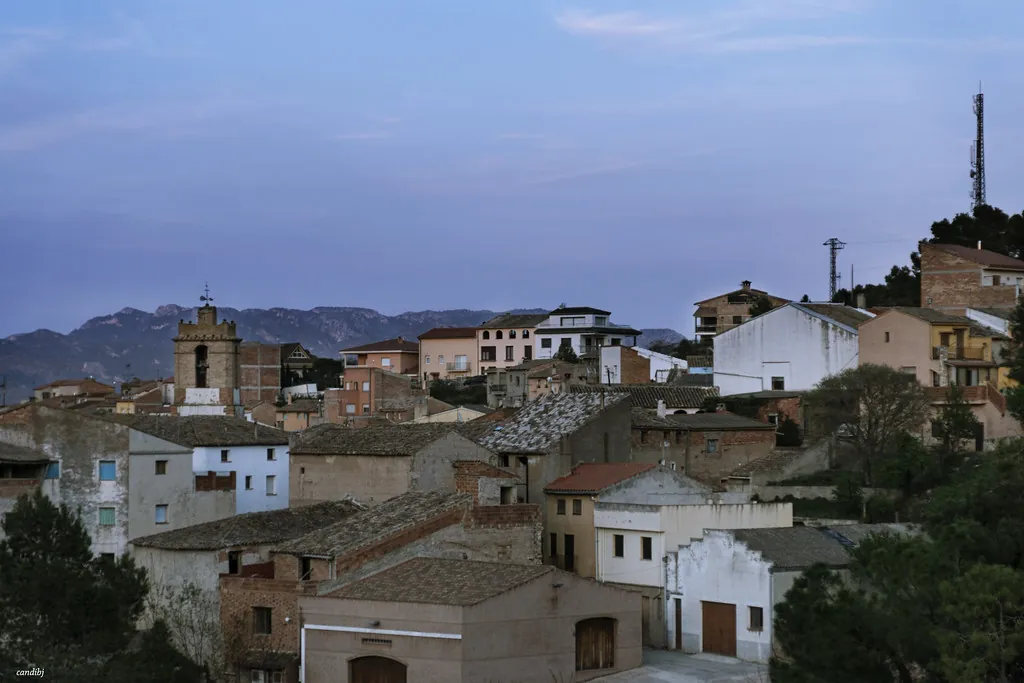
British visitors expecting a medieval core polished for Instagram will be disappointed. Flix is lived-in: ground-floor flats still have the cooperatives’ metal numbers, vacant lots sprout giant reed grass, and the riverfront warehouse now rents kayaks instead of storing soda ash. What the town does offer is prices untouched by the Costa boom. A cortado on the Passeig de l’Estació costs €1.20; a three-course menú del día with carafe of wine rarely breaks €14. The local co-operative sells olive oil in unlabelled 750 ml bottles for €6—fruity, soft, the sort supermarkets charge twice as much for further north.
River fish dominate the menus. Ebro shad (saboga) appears as delicate fritters, bone-free and mild enough for children who think they hate fish. Rice-a-banda arrives the colour of saffron custard, crowned with alioli; ask for it “sense caps” if you would rather not dissect prawn heads. Vegetarians survive on grilled escalivada and the sense that they are, at least, paying half Barcelona prices.
Reeds, herons and the British bird list
Across the water, the Sebes reserve feels suddenly continental. Board-warks (no hire fee, no turnstile) skim lagoons where purple herons lift off like oversized arrows. Camargue ponies, introduced to keep reeds short, ignore the hides entirely. British tickers compare notes in whispers—great reed warbler heard, bearded tit missed—then retreat to the shade of a poplar because the thermometer already reads 33 °C at eleven o’clock. There is no café inside the reserve; pack water and euro coins for the car park ticket machine, which still refuses notes and cards.
Cyclists following the Ebro greenway use Flix as a halfway stop between Mequinenza and Miravet. The track is pancake-flat, but summer heat turns the valley into a convection oven. Start at dawn or risk surrendering in the first bar you reach. Kayaks can be rented beside the old lock; two hours of paddling around the meander costs €20 and gives duck-level views of the castle walls.
Heat, silence and the August exodus
Come July the town empties. Factory maintenance shuts most of the plant, shutters clatter down on the bakeries and anyone with a cousin in Cambrils departs for the coast. Temperatures brush 42 °C; stone walls radiate like storage heaters after dark. Guidebooks might still list the August Fiesta Mayor—parades, foam party, late-night discos—but British families who have tried it warn of sleepless nights in rooms with no air-conditioning and music pounding until 4 a.m. Book spring or late September instead: storks on the chimney of the old mill, river light the colour of pale ale, and menú prices unchanged.
Winter brings its own stand-off. The castle closes entirely; the reserve keeps its gates open but paths flood. On clear days you can have the riverbank to yourself, though north-westerlies whistle down the valley and the chemical steam plumes hang in the air like stubborn fog. Hotels—there are two—drop tariffs to €35 a night and restaurants will cook whatever you caught, assuming it was legal.
Getting there, getting out
No trains reach Flix any more. The nearest Rodalies station is in Móra la Nova, 14 km south, served by a skeletal timetable from Tarragona. Brits flying into Reus should hire a car; the drive is 55 minutes on the AP-7 then the C-12, toll €7.75. Buses run twice daily from Barcelona (Estació del Nord, 2 h 45 min, €19) but the afternoon service arrives after the castle volunteer has gone home.
Stay overnight if you want more than a tick-box visit. The Hotel Rull is a 1960s block refurbished in greys and oranges; ask for a river-view room and you will watch the Ebro turn copper at sunset. Breakfast is adequate, coffee excellent. Self-caterers can rent flats along the passeig—simple, clean, around €60 a night—with the bonus of being able to rinse hiking boots in the communal courtyard.
Leave before you expect to and the meander will look different every time you glance back: silver at noon, bronze at dusk, steel under cloud. Flix will not dazzle you; it may not even tempt you back. But for a few hours it lets you see a Catalonia that package brochures skip—where industry and egrets coexist, where a castle custodian locks up when he feels like it, and where the river, question-mark and all, keeps asking what happens next.