Full Article
about Garcia
A farming town on the banks of the Ebro, known for its fertile vegetable plots and hilltop hermitage with views.
Ocultar artículo Leer artículo completo
The church bells strike noon as an elderly farmer guides his tractor through Garcia's main street, the only traffic you'll encounter for hours. At 73 metres above sea level, this Ribera d'Ebre village of 547 souls operates on agricultural time, where seasons dictate life's rhythm more than any timetable could.
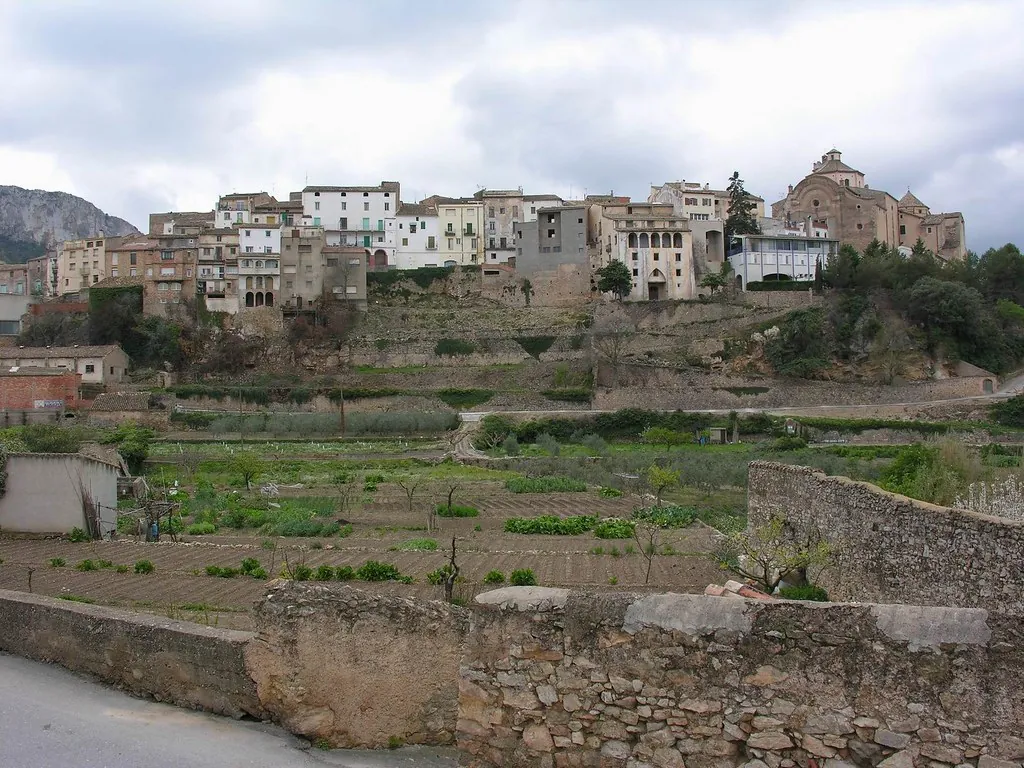
Garcia doesn't announce itself with fanfare. The village squats between olive groves and almond orchards, its stone buildings weathered to the colour of winter wheat. Visitors arrive expecting dramatic vistas or Instagram-ready plazas, but what they find is something increasingly rare: a Catalan village that still works for a living.
The Architecture of Everyday Life
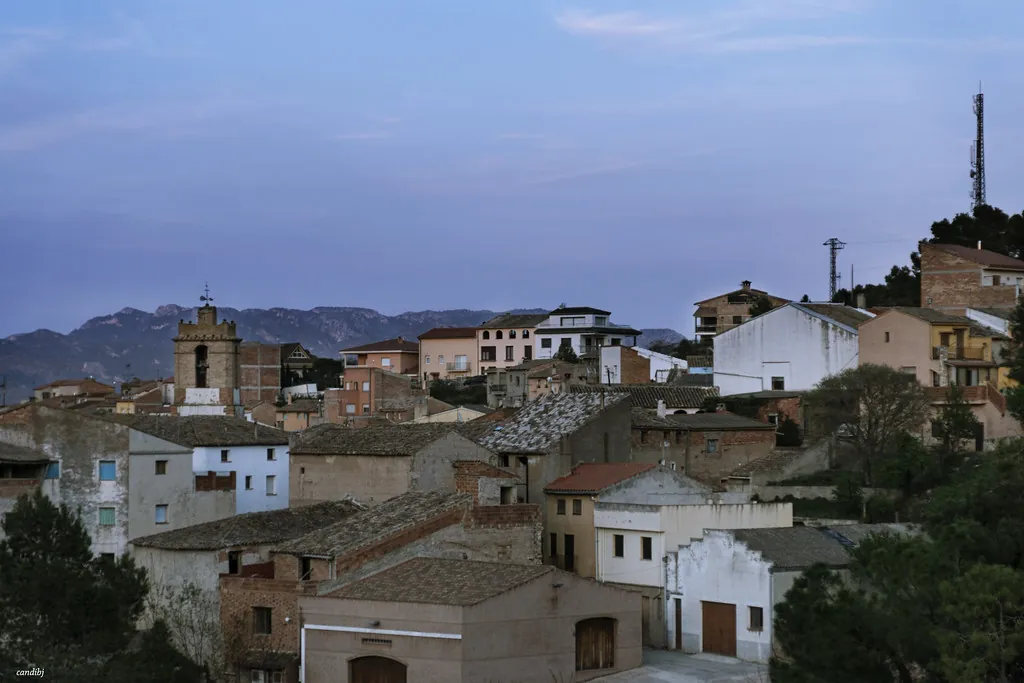
The parish church anchors Garcia's modest centre, its bell tower visible from every approach. Built from locally quarried stone, it has served as community hub since records began. The building won't feature in architectural digests, yet its solid presence speaks to centuries of worship, celebrations, and shelter from summer heat. Inside, simple wooden pews face an altar decorated with faded frescoes that local women still dust weekly.
Wandering the narrow lanes reveals traditional Catalan construction at its most honest. Stone houses lean together for support, their wooden doors painted Mediterranean blues and greens now bleached by decades of sun. Iron balconies support geraniums in terracotta pots. Arched portals lead to interior courtyards where families gather around outdoor tables for Sunday lunch. These aren't museum pieces but functioning homes where chickens sometimes wander through open doorways.
The village layout follows medieval patterns, with streets narrowing to provide shade during brutal summer months. Windows sit high on ground floors, a design choice that offered security when this border region saw regular conflict. Today, those same windows frame views of almond trees whose February blossoms transform the surrounding landscape into clouds of white petals.
Working the Land, Working the River
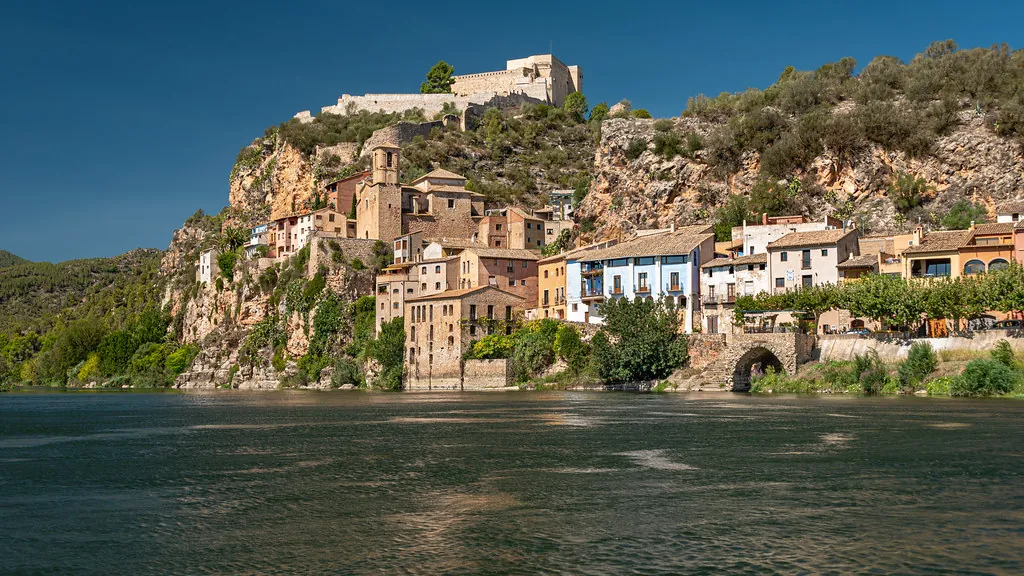
Garcia's relationship with the Ebro River defines its existence, despite lacking direct waterfront. The village sits four kilometres from the river's banks, close enough for irrigation canals to snake through surrounding fields, far enough to avoid flooding. This proximity shaped agricultural practices for millennia. Olive terraces carved into hillsides produce oil with protected designation of origin, while almond orchards carpet the gentler slopes.
The agricultural calendar governs village activity. January brings almond tree pruning, with farmers burning cut branches in controlled fires whose smoke drifts across valley floors. March sees olive groves cultivated between ancient trunks. June's wheat harvest fills the air with dust and diesel fumes as combine harvesters work into twilight hours. October's olive picking draws extended families together, with grandparents supervising while younger generations operate mechanical harvesters.
Local cooperative buildings at Garcia's edge process these crops. The olive oil mill runs November through January, its stone grinding wheels replaced decades ago by modern centrifuges. Yet traditional methods persist for premium batches, with cold-pressing producing oil that fetches premium prices in Barcelona markets. Almond processing facilities sort nuts by size, the smaller pieces destined for turrón factories in nearby Agramunt.
Beyond the Village Limits
Garcia serves as base camp for exploring Ribera d'Ebre's quieter corners, though independent transport proves essential. Regional buses connect twice daily to Móra d'Ebre, seven kilometres distant, but services reduce to single daily runs on weekends. Hiring bicycles from the village's single rental shop opens agricultural tracks linking scattered farmhouses. These dirt paths, shared with tractors and occasional livestock, offer flat cycling through scenery that shifts dramatically with seasons.
Spring proves most dramatic, when almond blossoms create natural snowdrifts across hillsides. Temperatures hover around 18°C, perfect for walking through fields where wild asparagus pushes through red earth. Summer brings fierce heat exceeding 35°C, sending sensible visitors to higher ground. Autumn paints surrounding slopes in ochres and russets, while winter days remain mild enough for outdoor activities, though nights drop to 5°C.
The Ebro's presence dominates longer expeditions. River access points lie hidden along unmarked farm tracks, requiring local knowledge or detailed maps. Fishermen gather at spots where deeper pools hold carp and catfish, while herons stalk shallows for smaller prey. The GR-99 long-distance footpath follows the riverbank, offering day-hike sections between villages. From Garcia, walkers can follow ancient drove roads to Benissanet, passing through landscapes unchanged since Roman legions marched these routes.
Eating Like You Mean It
Garcia's culinary scene won't trouble Michelin inspectors, but what exists serves honest local cooking at prices that seem misprinted. Bar-restaurant La Vila occupies a corner building whose interior hasn't changed since the 1970s. Formica tables support simple dishes: grilled rabbit with garlic, salt cod baked with tomatoes and peppers, almond tart made with locally-grown nuts. Three-course lunch menus cost €12, including wine from neighbouring Terra Alta region.
Thursday brings paella day, when enormous pans appear on outdoor gas burners. Locals arrive at 2pm sharp, knowing portions run out by 3:30. The rice arrives properly socarrat, that caramelised crust achieving perfect texture through patient stirring and precisely-timed heat adjustment. Rabbit and snail versions represent traditional inland preferences, though seafood variations appear during summer festivals.
Shopping options remain limited but authentic. The village cooperative sells olive oil in unlabelled bottles at €4 per litre. Almonds appear seasonally, sold in paper bags by weight. The small grocery stocks basic provisions, though specialist ingredients require trips to Móra d'Ebre's weekly market. Friday mornings see farmers selling surplus vegetables from car boots in the main square: tomatoes that actually taste of tomato, onions still carrying field soil, eggs from chickens whose names the sellers know.
When Garcia Parties
The village's summer festival, held mid-August, transforms normally quiet streets into celebration zones. The population quadruples as former residents return, parking cars beneath almond trees and sleeping in childhood bedrooms. Brass bands parade through narrow lanes at volumes that would violate city noise ordinances. Outdoor dances feature music mixing traditional Catalan sardanas with chart hits from decades past. Fireworks, launched from the church square, echo off stone walls with explosive intensity.
Smaller celebrations mark agricultural cycles. January's blessing of animals sees farmers leading livestock through church grounds, though modern health regulations limit participation to pets and decorated tractors. Easter processions maintain medieval routes, with hooded penitents carrying figures depicting the Passion through streets illuminated by candlelight. September's harvest festival showcases local products, though Garcia's version remains intimate compared with regional equivalents.
These events offer genuine glimpses into village society, but visitors should temper expectations. Accommodation options remain limited to two guesthouses with six rooms between them. Booking requires persistence, as owners don't always answer phones promptly. Festival accommodation fills months ahead, with many visitors basing themselves in larger towns and driving in for specific events.
The Reality Check
Garcia demands adjustment from urban visitors. Shops close 2-4pm daily, all day Sunday and Monday mornings. English speakers prove rare, though attempts at Catalan generate warm responses. Mobile phone coverage remains patchy in surrounding countryside. The village doctor visits twice weekly, with serious medical issues requiring 30-kilometre journeys to larger facilities.
Yet these limitations define Garcia's appeal. This isn't a destination polished for tourism consumption, but a functioning agricultural community gracious enough to tolerate curious observers. The village rewards those seeking authentic rural Catalonia, where almond blossoms signal seasons changing and the Ebro's waters sustain crops that have fed families for generations. Come prepared for simplicity, leave understanding why some places need neither embellishment nor apology.