Full Article
about Ginestar
A farming village with an imposing church and a riverside dock on the Ebro.
Ocultar artículo Leer artículo completo
The river decides everything here. At 6:30 on a March morning, when the first tractors cough into life, the Ebro has already determined whether the peach trees will drink today, whether the carp are rising, and whether the ferryman at the tiny jetty will bother untying his boat. Ginestar, population 800, doesn't greet visitors so much as let them slip into its rhythm—one governed by water levels, harvest dates, and the unhurried conversations that start at the bakery counter and finish three doorways down.
This is the lower Ebro, forty-five minutes southwest of Tarragona, where the river abandons its mountain manners and begins the slow meanders that end in the delta's rice fields. The village sits on the left bank, low enough—just 26 metres above sea level—that winter floods still dictate where houses can be built. The older ones know the rules: stone thresholds two steps above street level, ground floors that used to store animals rather than sofas, and front doors painted the same river-silt grey you see on the barges tied up along the bank.
Walking in from the agricultural track that serves as a bus stop, the first thing you notice is the smell. Not salt—this is still thirty kilometres inland—but something greener: damp poplar, freshly turned alluvium, and diesel from the irrigation pumps. The main street, Carrer Major, is exactly 3.2 metres wide at its narrowest pinch point, a measurement that matters when a tractor carrying pallets of just-picked peaches needs to squeeze past a delivery van. Drivers stop, exchange village gossip through open windows, and only then consider reversing into a doorway to let each other pass. Horn use is considered bad form; patience is the local currency.
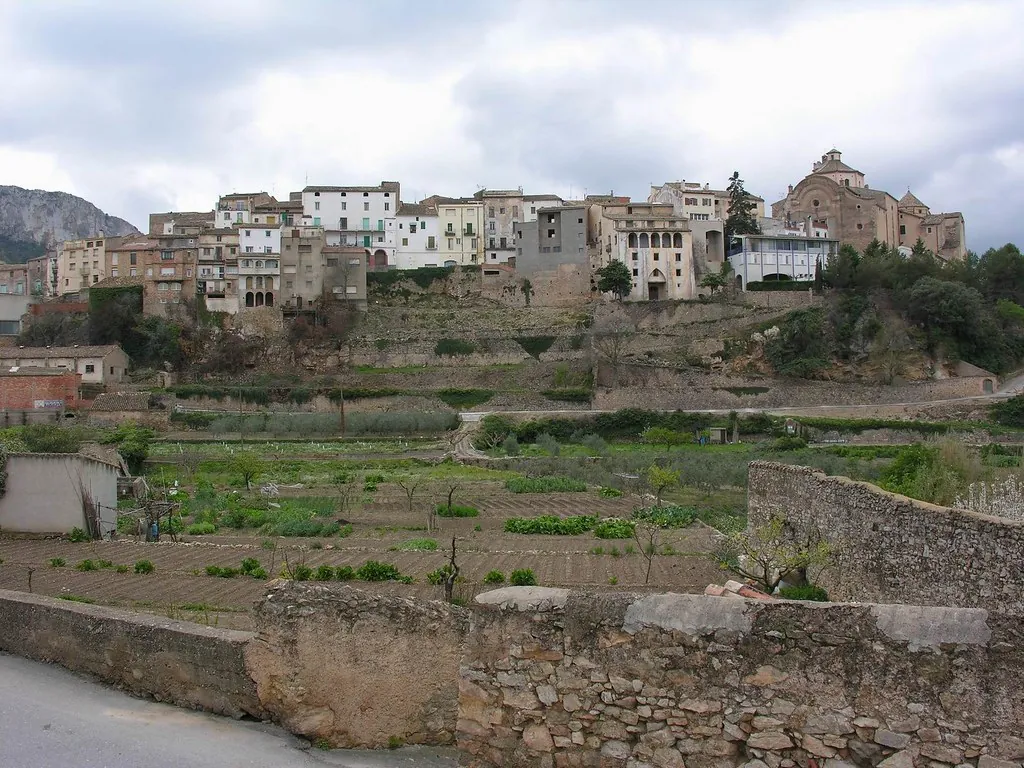
The church of Sant Martí watches it all from a modest rise. rebuilt in the eighteenth century after the river burst its banks and took the previous building, it keeps its back to the water—an architectural admission that the Ebro is beautiful but not to be trusted. Step inside and the temperature drops ten degrees; the stone flags still bear the grooves of centuries of farm boots. There's no ticket office, no audio guide, just a printed A4 sheet noting that the baroque altarpiece was paid for with profits from a particularly good olive harvest in 1783. Drop a euro in the box if you feel guilty for gawping, though no one will check.
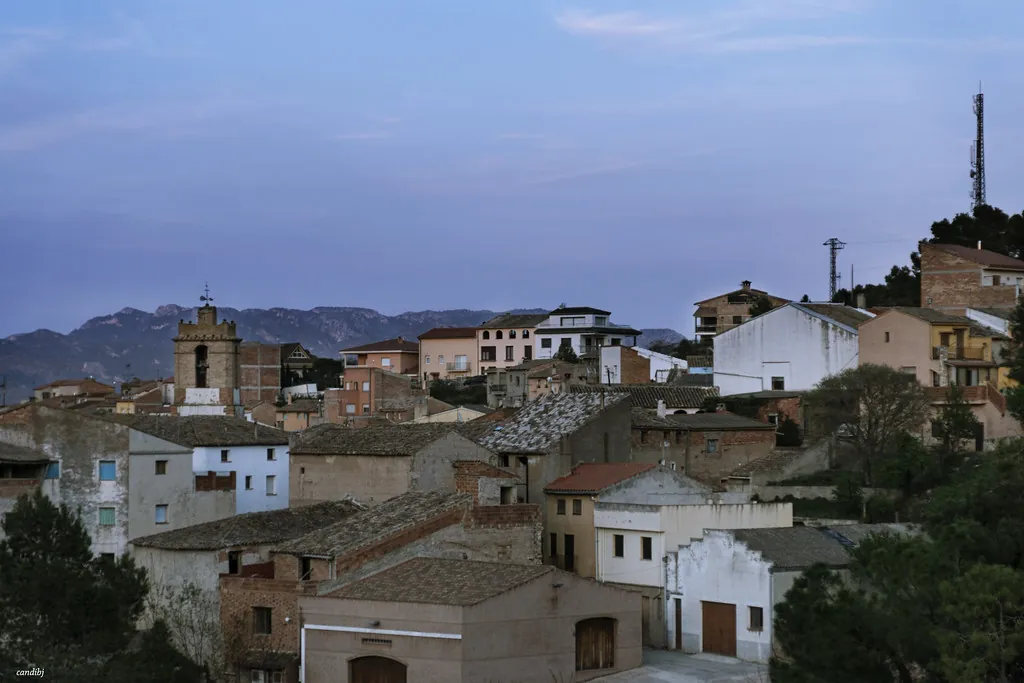
Outside, the lanes follow no grid, only the contours of a medieval riverbank that has since shifted 200 metres south. Houses grow like barnacles: a Gothic arch here, a 1950s concrete balcony there, all knitted together with telephone wires that sag low enough to snag a careless umbrella. Washing hangs from first-floor ironwork; if the river's running high, you can guess whose husband works nights by the shirts that never seem to dry. An elderly man sits on a plastic chair filing his fingernails with a pocketknife. He will nod, but conversation is earned, not offered. Ask about the best place to buy olive oil and he'll point with the knife towards Cooperativa Agrícola, open weekdays 8–1. Try to pay by card and they'll laugh—cash only, and bring your own bottle.
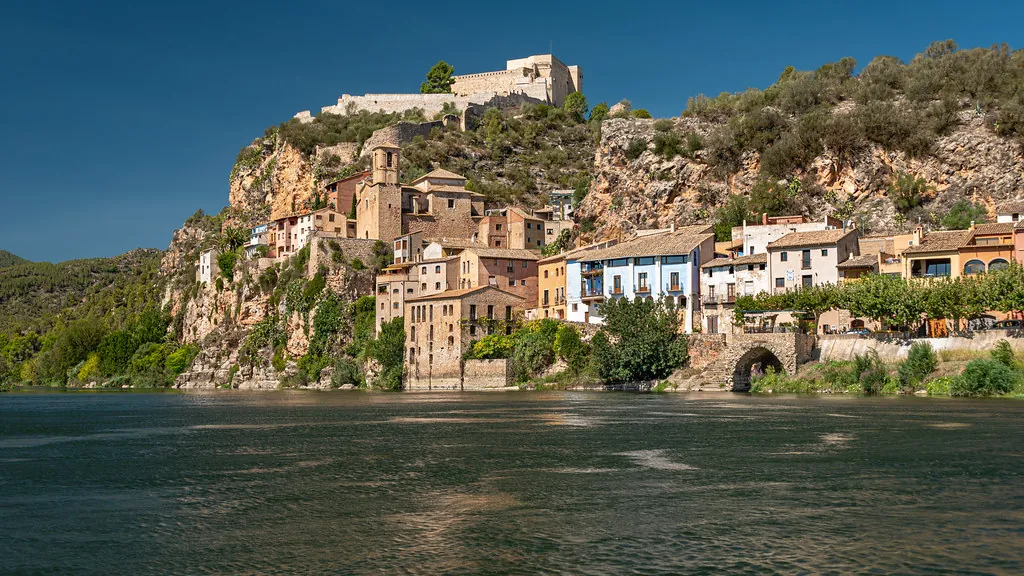
The Ebro itself is reached by slipping between two houses where the lane simply gives up. A dirt track continues under regimented lines of poplars planted to stop the bank collapsing. In summer these trees sweat resin; by August the air tastes of pine disinfectant and hot dust. The river is broad here, coffee-coloured after rain, olive-green when it's been dry. A single rowing boat, painted the same municipal yellow as the road signs, bobs on a frayed rope. No one rents it; if you want to paddle you'll need to ask at the bar—yes, there's only one—and hope Concha is in a good mood. She keeps the oars behind the coffee machine and will want a 20-euro deposit plus your passport number, written in biro on the back of a receipts pad.
Swimming is technically allowed but rarely practised. The current looks lazy until you try to stand thigh-deep; silt shifts underfoot like wet cement. Local kids dive from the old loading quay on the opposite bank, but they've learned which submerged beams to avoid. Better to follow the signed path (wooden posts, hand-painted numbers) that threads three kilometres downstream to a gravel beach where the water shallows and dragonflies skim the surface. Take water—there's no kiosk, no lifeguard, just a rusted sign advising bathers they do so "under their own recognisance". British visitors usually misread the Catalan and assume insurance is required; in practice it means don't blame the village if you misjudge the riptide.
Spring arrives suddenly, usually the third week in March. One day the fields are winter-brown, the next they're snow-white with peach blossom so dense you can smell sugar on the wind. This is the brief window when Ginestar feels almost busy. Cyclists following the GR-99 long-distance trail appear at weekends, thighs caked in river mud, demanding coffee with the urgency of people who have another eighty kilometres to cover before dark. The bakery extends hours to 7 p.m.; the lone cash machine, housed in what used to be a phone box, runs out of twenties on Saturday evening and isn't refilled until Tuesday. Accommodation is still scarce: three official guest rooms above the bakery, two more in the house of the retired English teacher who insists on calling biscuits "cookies" and apologises for the heat even in April.
Come June the river becomes a workplace. Flat-bottomed punts fitted with outboards chug upstream to check irrigation intakes; men in rolled-up trousers stand mid-channel hauling nets that glint with carp, barbel, and the occasional sneaky catfish that has slipped through the delta's anti-predator fence. Licensing rules are enforced by a lone ranger who drives down from Móra d'Ebre on Tuesday mornings. Day permits cost 24 euros, cash only, and he will ask to see your passport even if you've bought one every week for three years. Fish must be killed immediately; catch-and-release is viewed as a criminal waste of dinner. The bakery will cook your haul for five euros if you clean it first—scales to go in the river, not the bin, or Concha will chase you out with a broom.
Harvest starts in August with peaches so ripe they split if you stare too hard. Trucks from Lleida and Valencia thunder through streets never designed for HGVs, squeezing past parked cars with millimetres to spare. The village smells like a tin of Del Monte left open in the sun; wasps get drunk on fermenting fruit that drops faster than it can be picked. Accommodation prices double—still only 45 euros a night, but the English teacher now insists on half-board because "you won't find a restaurant open, love". She's exaggerating: the bar serves three dishes only—grilled sardines, river eel stew, and escalivada (roasted aubergine and peppers) with anchovies. Locals eat at ten; turn up earlier and you'll get last night's leftovers microwaved while they watch the news.
Autumn brings mist that pools so thickly in the river bends you can taste metallic water in the air. Olive tractors take over from peach lorries, towing trailers piled with crates that will become oil labelled "Ribera d'Ebre" and sold in Reus for three times the farm-gate price. This is the kindest season for walking: paths firm underfoot, temperature hovering either side of twenty degrees, and migratory birds using the Ebro as a motorway south. Binoculars will get you nods of approval from the old men on the bench; ask nicely and they'll point out the difference between a cormorant and the increasingly rare osprey that still nests in the dead poplars opposite the church.
Winter is when the village remembers it's small. The bar shortens its hours—closed Thursday, kitchen shuts at eight—and the bakery produces only half its usual varieties. Rain can fall for a week straight, turning the lanes into shallow canals that reflect the orange streetlights like faulty mirrors. On those days smoke from wood-burning stoves drifts at head height, carrying the resinous scent of carob and old vine cuttings. The ferryman doesn't bother starting his engine; anyone desperate to reach the far bank must phone him the night before. If the river rises above the red mark painted on the ferry post, even that stops. Then Ginestar becomes an island, and the conversations that started at the bakery finally have time to finish.
Getting here requires acceptance that the train left in 1986. The nearest Rodalies station is at Móra la Nova, eight kilometres away, but buses meet only two of the daily services. Car hire from Reus airport takes fifty minutes on the AP-7, then a final twenty on the C-12 where roundabouts give way to level crossings guarded by storks. Petrol is cheaper than Britain but motorway tolls mount up—budget twelve euros each way. Once arrived, park where the road ends; everything else is on foot. Heels are useless, wheels little better. The village measures 600 metres at its longest point; you will walk farther queuing for coffee in Barcelona airport than you will all weekend here.
Leave before you feel too comfortable. Ginestar rewards the curious but punishes the possessive. The river keeps its own calendar, and the people who live by it have learnt not to promise what tomorrow's current might take away. Hand back the oars, settle your tab, and the place will forget you by the time the ferryman knots his rope for the night. That, perhaps, is the greatest honesty a village can offer: a welcome without a sales pitch, and the unspoken certainty that when the Ebro next shifts its banks, everything you saw will adjust accordingly.