Full Article
about La Palma d'Ebre
Inland village with a Romanesque church and a nearby reservoir.
Ocultar artículo Leer artículo completo
A Hidden Gem I Nearly Missed
After 25 years of wandering every corner of Spain, I thought I'd seen it all. Then I stumbled upon La Palma d'Ebre during a wrong turn on my way to Miravet. What a glorious mistake that was! This tiny Catalan village of just 341 souls, perched 1,099 feet above the meandering Ebro River, has become one of my most treasured discoveries. It's the kind of place where time moves at the pace of fishing boats on the reservoir and conversations happen over garden gates.
If you're seeking authentic rural Spain without the tourist coaches, this is your spot. But fair warning – you'll need proper planning and a rental car. Public transport here is about as reliable as British summer weather.
Village Life at River's Edge
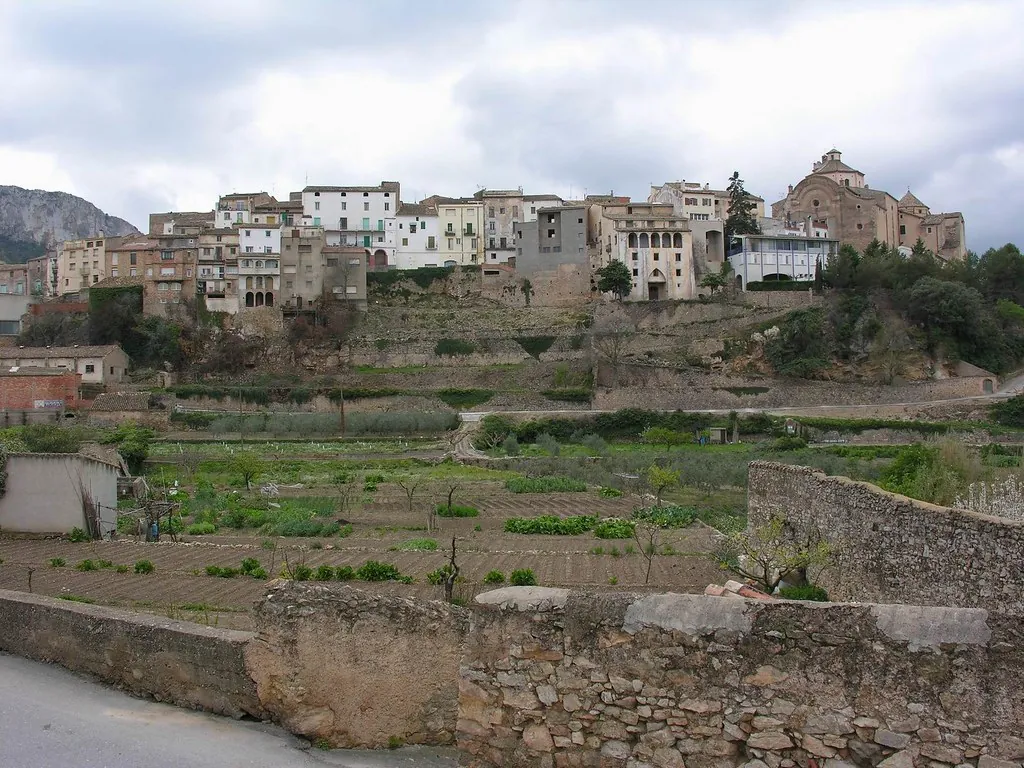
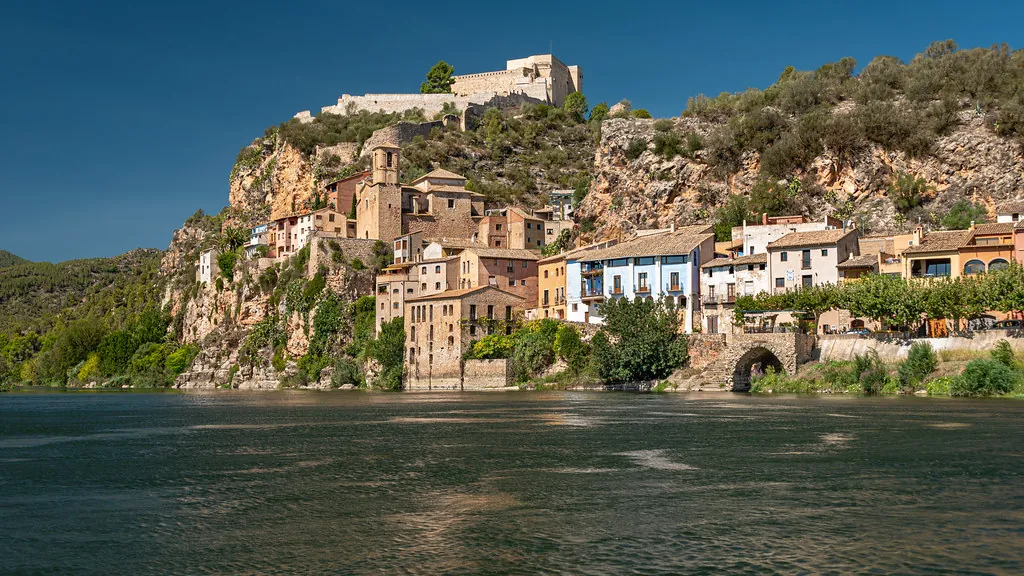
La Palma d'Ebre clings to its hilltop like a cat in sunshine, watching over the Ebro reservoir that stretches below like a mirror reflecting Catalonia's endless sky. The 341 residents here aren't just statistics – they're the keepers of a way of life that's become increasingly rare. You'll find elderly gentlemen playing dominoes outside the village bar at precisely 11am, their conversations a musical mix of Catalan and Spanish that rises and falls like the river itself.
The village wakes early and sleeps early, following rhythms set by fishing seasons and farming cycles rather than tourist demands. Don't expect late-night revelry here – by 10pm, the streets are yours alone, lit only by streetlamps and the occasional glow from a kitchen window where someone's preparing tomorrow's bread.
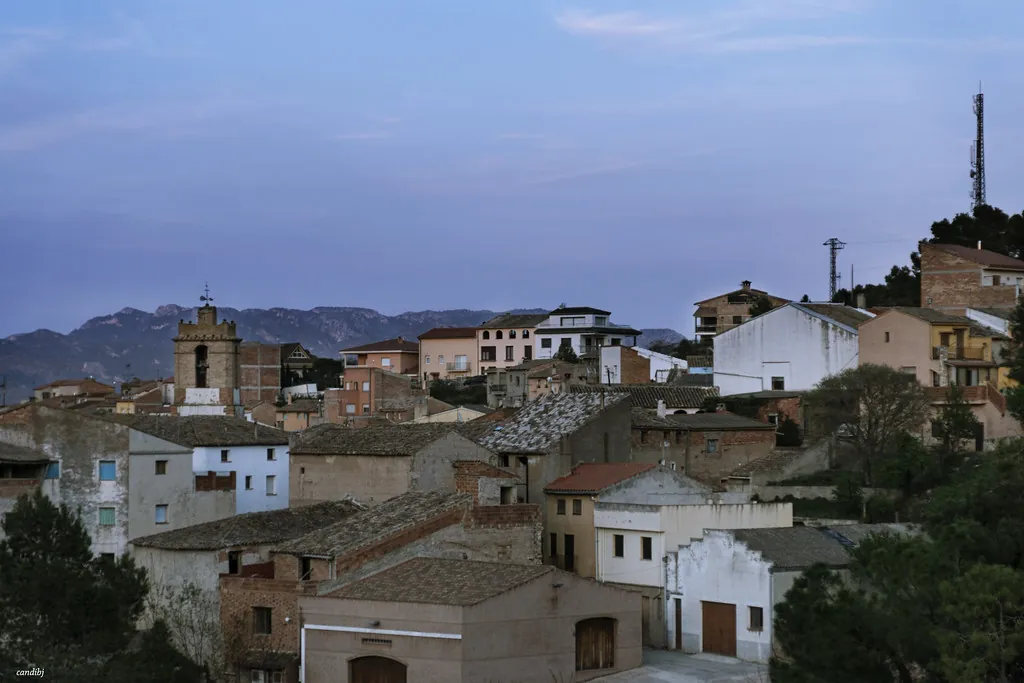
Walking the narrow streets feels like stepping into a sepia photograph. Stone houses huddle together, their weathered facades telling stories of generations who've called this place home. There's something deeply peaceful about a place where everyone knows everyone, where the postman stops for coffee, and where the arrival of a stranger is noted with friendly curiosity rather than indifference.
What Catches the Eye
The village's crown jewel is the Romanesque church of Santa María, a modest but beautiful example of 12th-century architecture that's somehow survived centuries of change around it. The stonework is exquisite – those medieval craftsmen knew their trade. Pop inside if you can; the cool interior provides welcome respite from summer heat, and the simple altar holds a quiet dignity that modern churches often lack.
But honestly, the real star is the view. From various vantage points around the village, the Ebro reservoir spreads out below like nature's own infinity pool. Early morning and late afternoon are magical times – the light turns the water to molten gold, and you can watch herons picking their way through the shallows while eagles circle overhead.
The old quarter is a maze of narrow streets perfect for wandering. Every corner reveals another slice of rural life: washing lines strung between balconies, tiny gardens bursting with tomatoes and herbs, doorways where cats doze in patches of sunlight. It's Instagram-worthy, but more importantly, it's real.
Eating Like a Local
Right, let's be honest about dining options – you're not coming here for Michelin stars. La Palma d'Ebre has one village bar that serves simple, honest food reflecting the area's agricultural roots. Think hearty Catalan country cooking: beans with sausage, grilled lamb, seasonal vegetables that actually taste of something because they've been grown in soil rather than greenhouses.
The local olive oil is exceptional – smooth, peppery, the kind that makes you understand why Catalans are so passionate about their liquid gold. If you're staying in holiday accommodation with a kitchen, stock up. You'll find small-scale producers happy to sell direct, though you'll need basic Spanish or a translation app for negotiations.
Don't miss the local honey if you can find it. The bees here feast on wild thyme and rosemary, creating honey with a complexity that puts supermarket varieties to shame. Perfect for taking home, assuming it survives your stay.
For proper restaurant dining, you'll need to venture to nearby Móra d'Ebre or Miravet, about 20 minutes' drive away. Another reason why car hire is essential rather than optional.
The Practical Bits
Getting here requires planning and patience. The nearest train station is Móra la Nova, but from there you're looking at a taxi ride or rental car. Frankly, just rent a car from the start – you'll want the freedom to explore the wider Ebro region, and public transport connections to villages this size are virtually non-existent.
The drive from Barcelona takes about two and a half hours via the AP-2 motorway, then smaller roads that wind through increasingly rural countryside. Parking in the village is free and usually available, though spaces are limited during the few festivals that bring extended families back home.
Spring and autumn are your best bets weather-wise. Summer can be scorching – we're talking 35°C+ regularly – while winter brings mist and occasional frost. The hiking trails around the reservoir are at their finest in May and October, when temperatures hover around 20-25°C and wildflowers add splashes of colour to the landscape.
For accommodation, you're looking at rural holiday rentals rather than hotels. Book well ahead, especially for spring weekends when Spanish families rediscover their countryside retreats. Travel insurance is wise – rural areas mean longer distances to hospitals, though the local pharmacy handles most minor issues competently.
The hiking here is superb, with trails following old mule paths and offering views across the reservoir to the distant mountains. Fishing is popular too, though you'll need appropriate licences and local advice about the best spots.
Why It Matters
La Palma d'Ebre represents something increasingly precious: authentic rural Spain where tradition isn't performed for tourists but lived daily. It's not for everyone – if you need constant entertainment and urban conveniences, look elsewhere. But if you want to understand the Spain that exists beyond beaches and cities, if you're curious about how rural Catalans actually live, this village offers insights no guidebook can provide.
The locals are wonderfully welcoming once they realise you're genuinely interested in their home rather than just passing through. Bring patience, basic Spanish phrases, and an appreciation for life's simpler rhythms. You'll leave refreshed, probably with a jar of local honey and definitely with stories to tell back home.