1875-07-08, La Ilustración Española y Americana, Entrada del general Martínez Campos en el castillo de Miravet al frente de las tropas, el 24 de junio.jpg
Jorge Franganillo · Flickr 4
Cataluña · Sea, Mountains & Culture

Miravet

The ferryman grips the thick rope with weathered hands, muscles straining as he pulls the flat-bottomed boat across the Ebro. No engine, no ticket ...

703 inhabitants · INE 2025
43m Altitude

Why Visit

Miravet Castle Visit the castle

Best Time to Visit

year-round

Main Festival (August) agosto

Things to See & Do
in Miravet

Heritage

  • Miravet Castle
  • Barca Ferry
  • Old Town (Cap de la Vila)

Activities

  • Visit the castle
  • cross the Ebro by boat
  • traditional pottery

Festivals
& & Traditions

Fecha agosto

Fiesta Mayor (agosto), Fiesta de la Cereza (junio)

Las fiestas locales son el momento perfecto para vivir la autenticidad de Miravet.

Full Article
about Miravet

One of Catalonia’s prettiest villages, with a Templar castle above the Ebro and hanging houses.

Ocultar artículo Leer artículo completo

The ferryman grips the thick rope with weathered hands, muscles straining as he pulls the flat-bottomed boat across the Ebro. No engine, no ticket machine, just medieval muscle power and a tradition that predates Columbus. This is how you reach Miravet proper—unless you fancy the 15-minute detour via the modern bridge. The choice sets the tone for what follows.

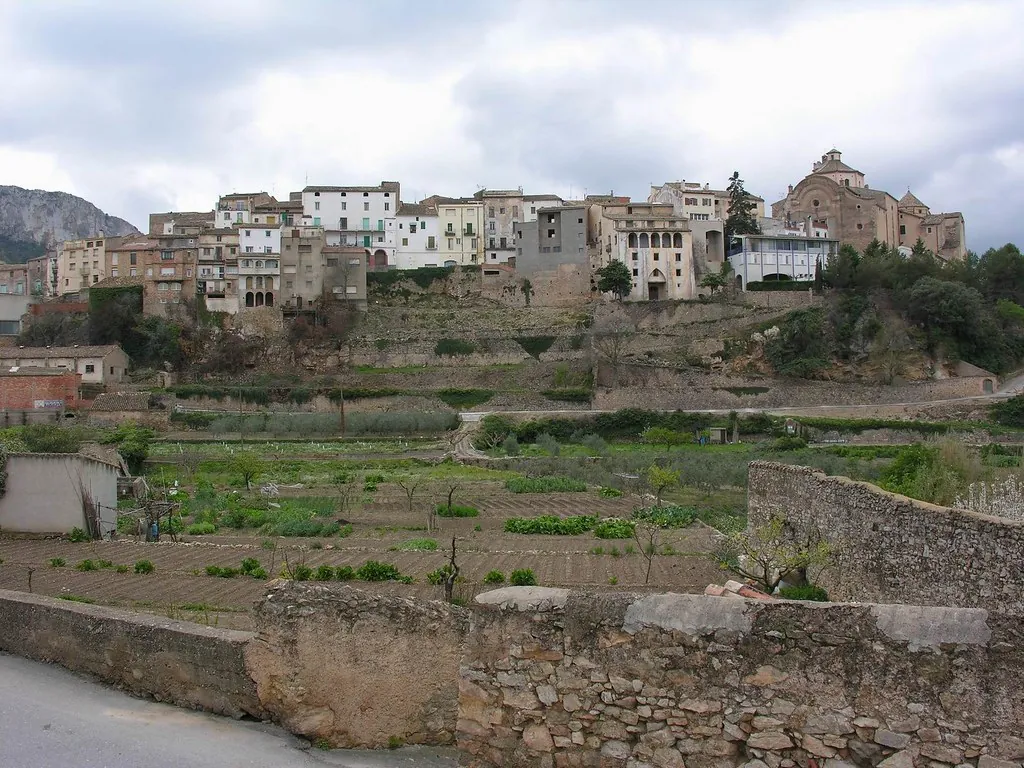
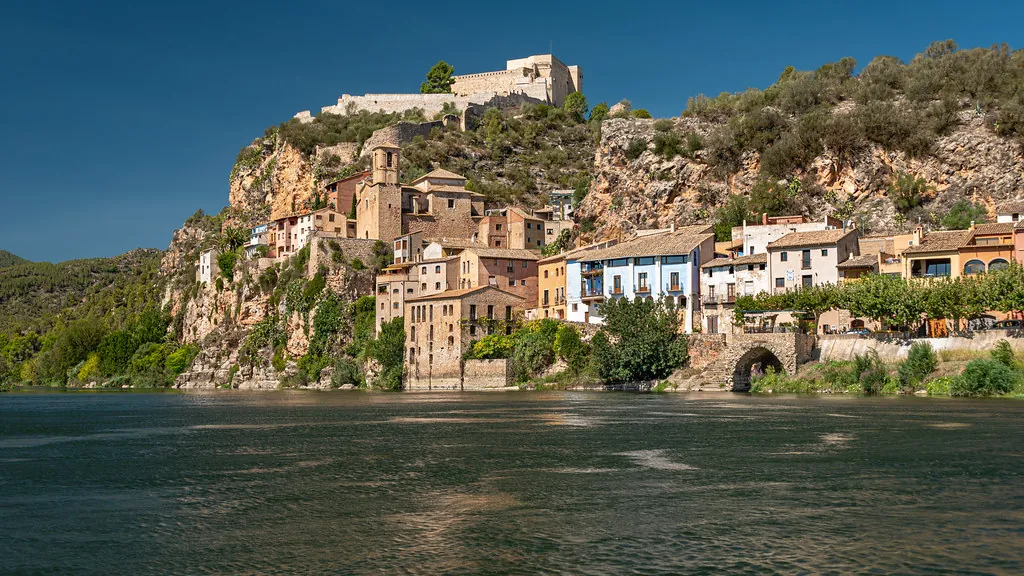
From mid-river the village reveals itself in layers. First the castle, sandstone walls glowing amber in late afternoon light. Then the terracotta roofs packed tight against the slope, each one angled to shed the rain that sweeps up the valley from the Mediterranean forty-five minutes away. Finally the riverbank itself, where kayakers drag boats onto shingle and elderly men cast for carp with the patience of Templar sentries.

That military order controlled Miravet until 1308, when royal troops stormed the fortress in one of the last battles of the Aragonese crusade against the Templars. Their castle remains brutally intact—no romantic ruins here, but a working fort you can walk in complete circuits. The ramparts deliver a filmmaker's panorama: the Ebro curling round a horseshoe bend, fruit orchards striping the floodplain, the jagged outline of the Ports massif rising cobalt-blue in the distance. Entry costs five euros; cheapskates can bag the same view from the free platform outside the main gate, though you'll miss the Romanesque chapel inside where stone crusaders still guard the altar.

Stone, Clay and the Slow Climb Upwards

Park by the river—try squeezing a hire car into the medieval lanes and you'll discover why Miravet kept its walls—and start the ascent. Calle Mayor pitches uphill at gradients that would shame a Cotswold village. Cobbles, polished smooth by centuries of cart wheels, demand decent footwear; flip-flops are a one-way ticket to A&E. The houses squeeze together, their stone the same honey colour as the castle, wooden balconies bright with geraniums that survive thanks to afternoon shade and nightly irrigation.

Halfway up, the church of the Nativity squats modestly beside a triangle of plaça barely big enough for a bench and a plane tree. It's no Sagrada Família: thick walls, a single nave, a bell tower added later when someone realised the Moors weren't coming back. Step inside for five minutes of cool darkness and a 16th-century retablo that survived the Civil War because the priest bricked it up behind a false wall.

Pottery workshops interrupt the climb. Miravet's clay comes from the riverbank—reddish, plastic, perfect for the giant càntirs (water coolers) that once sat in every farmhouse kitchen. Watch a potter throw a 30-litre vessel in under three minutes, fingers moulding walls just 4 mm thick. Prices start at twenty euros for a coffee cup; the big jars climb past a hundred. Everything is fired in wood kilns behind the shops, so each piece emerges speckled with ash flashes that no factory could replicate. Buy now; Royal Mail will deliver, but wrapping a càntir in a Ryanair cabin bag is optimistic.

River Time: Kayaks, Cherries and Carps the Size of Cats

The Ebro dictates Miravet's pulse. In summer the water temperature hovers around 24 °C, warm enough for a swim if you don't mind sharing with carp that grow obese on tourist sandwich crusts. Kayak hire outfits at the ferry slip rent sit-on-tops for €15 an hour, €35 for half a day. Paddle upstream first; the current is gentle but insidious, and returning tired is easier with the flow. Stop at the shingle beaches where herons stalk the shallows and poplar shade offers respite from a sun that feels three degrees hotter once you leave the water.

June brings the cherry fair—Diada de la Cirera—when growers from the surrounding irrigated plain set up stalls in the castle courtyard. Varieties you've never heard of: Burlat, Sunburst, Stella, each with its own sugar-acid balance and optimal jam recipe. Buy a paper cone of fruit still warm from the tree; juice stains fingers and T-shirts like Bordeaux on a white tablecloth. Miss June and you can still find cherries in village bars, preserved in aguardiente and served as a digestif that knocks the edge off too much Priorat wine.

Anglers arrive at dawn, rods lined like pikes on the parapet. The Ebro holds carp to 20 lb, catfish that could swallow a chihuahua, and the elusive southern barbel. A day licence costs €8 from the tobacconist opposite the church; bait shops sell bread, maize and cubes of spam that look worryingly identical to the sandwich filling in the bar next door. Catch-and-release is expected; take a photo, slip the fish back, boast later over a clòtxa—the local working lunch of hollowed bread filled with tomato, garlic, onion and sardines grilled on vine cuttings. It's messy, antisocial and utterly delicious.

When to Come, What to Dodge

Spring and autumn deliver the sweetest deal: daytime 22-25 °C, nights cool enough to justify a jacket, visitor numbers thin. Easter week fills the lanes with processions; hooded penitents carry floats past doorways decked in black velvet, drums echoing off stone. Photogenic, yes, but accommodation triples and the single ATM runs dry by Saturday. August is furnace-hot—38 °C is routine—and the castle battlements offer zero shade. If you must come then, climb before 10 a.m. or after 6 p.m.; carry more water than you think sensible; reward yourself with vermouth on ice in the riverfront bar whose name changes every few years but whose terrace still catches the breeze.

Staying overnight gives you Miravet after the day-trippers evaporate. Two small hotels occupy restored manor houses; expect beams, stone walls, bathrooms cleverly wedged into former cupboards. Prices hover around €90 for a double, breakfast included. The smarter choice is one of the casa rurals scattered through the old town—rent a whole house for €120-150, cook your own supper with produce from the Thursday market, watch the castle lights reflected in the river from a balcony that once served as a Templar lookout.

Driving remains the only practical access. From Barcelona take the AP-7 south to junction 35, then the C-12 inland—two hours if the traffic gods smile. Reus airport is 45 minutes away, handy for Ryanair hops from Stansted. Public transport exists but resembles a cryptic crossword: train to Móra la Nova, bus to Móra d'Ebre, foot ferry if it's running, taxi if it's not. Hire a car; you'll need it for the Priorat wineries twenty minutes west anyway.

Leaving, and the Urge to Return

The last ferry stops at dusk. Stand on the opposite bank as the boatman hauls his final load, the castle silhouette black against a sky fading from tangerine to bruised violet. Miravet doesn't shout; it simply stands there, river lapping, swallows diving, pottery kilns cooling. Two hours later you're back on the coast, neon replaced by starlight, paella by something fancier and ten euros pricier. The clay càntir you wrapped in dirty laundry survives the flight home, sits on a British worktop, drips cold water into Sunday morning coffee. And every time you fill it, you're back on that hillside, listening to the Ebro slide past, wondering how many centuries a village can keep time standing still without ever quite standing still itself.

Key Facts

Region
Cataluña
District
Ribera d'Ebre
Coast
No
Mountain
No
Season
year-round

Official Data

Institutional records and open data (when available).

  • Castell de Miravet
    bic Monumento ~0.1 km

Planning Your Visit?

Discover more villages in the Ribera d'Ebre.

View full region →

More villages in Ribera d'Ebre

Traveler Reviews