Full Article
about Móra d'Ebre
County capital on the banks of the Ebro with a historic castle and arched bridge
Hide article Read full article
Móra d'Ebre, sin prisa
Móra d'Ebre es de esos sitios que te encuentras cuando te pierdes a propósito. Iba camino de otro sitio, la carretera seguía el curso del río, y de repente apareció: el Ebro haciendo una curva tan cerrada que parece que el pueblo está en una península de agua dulce. No es un lugar de paso; o paras aquí, o no vienes.
Apenas 124 metros sobre el nivel del mar y con poco más de cinco mil habitantes, esta es la capital comarcal. Se nota. No es un pueblo museo, sino un sitio donde la gente vive con el río al lado, literalmente. Por la mañana ves a los vecinos en los bares de la ribera tomando café, y por la tarde, paseando por allí mientras los críos se meten en el agua donde no hace mucha profundidad.
Un castillo que manda
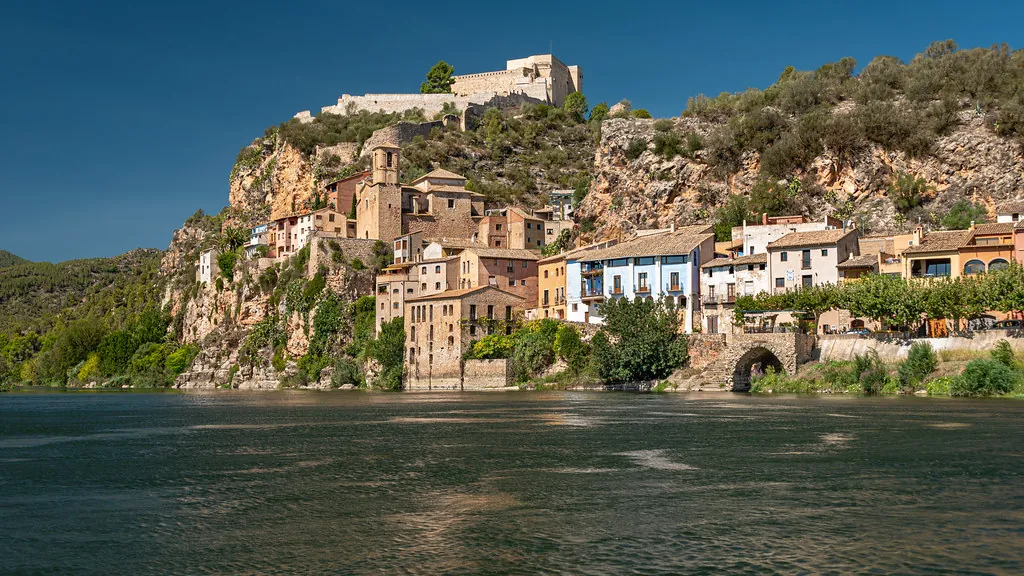
El Castillo de Móra no se sugiere, impone. Está ahí arriba desde el siglo XII, vigilando el meandro más famoso del Ebro catalán. La subida tiene su pendiente, pero es corta. Arriba no esperes un alcázar amueblado; lo que vale la pena son las vistas. Desde allí entiendes la geografía del lugar: el río rodeando el casco antiguo, los puentes, las huertas y las montañas al fondo. Es la mejor explicación sin palabras.
Abajo, el Puente de las Arcadas es el otro punto fijo. Cruzarlo a pie, sintiendo el peso de la piedra vieja y viendo el agua pasar debajo, te sitúa. Al atardecer, con la luz baja, tiene ese tono dorado que pide una foto, pero también invita a quedarse quieto un rato.
El casco antiguo sube desde el río con calles estrechas y esas casas con balcones de hierro típicos de aquí. No hay tiendas de souvenirs en cada esquina; hay portalones con persianas bajadas y macetas. Tiene esa sensación de lugar usado, no preparado.
Y un consejo: las mejores vistas del pueblo son desde la otra orilla del río. Cruza el puente nuevo, busca un camino hacia abajo y siéntate en la grava o el césped. Verás la estampa completa: el pueblo apretado contra la colina y el castillo coronándolo todo.
Comer como quien vive aquí
No vengas buscando cartas en inglés ni platos gourmet con presentación en vertical. Esto es territorio de lo sencillo y bueno. El aceite de oliva de la D.O. Terra Alta es algo serio: con carácter, un poco picante al final. Untado en pan con tomate es casi una comida.
Si ves caracoles a la llauna en algún menú del día, pruébalos. Saben a lo que son: tierra y hierbas. Es ese tipo de plato que pides por curiosidad y acabas repitiendo.
Los horarios son los de siempre: comer después de las dos, cenar pasadas las nueve. En verano, las terrazas junto al río son un acierto seguro para una cena tranquila. Pescado de río o carne a la brasa suelen ser apuestas seguras.
Lo práctico: llegar y moverse
Olvídate del transporte público si no quieres complicarte la vida. Para llegar a Móra d'Ebre y moverte por los alrededores necesitas coche. Desde Barcelona se tira unas dos horas por la A-2 hacia Lleida; sales en la salida de Móra d'Ebre y listo. Aparcar en el casco antiguo puede ser complicado; suele haber más sitio cerca del polideportivo o cruzando alguno de los puentes.
La primavera (abril-junio) y el otoño (septiembre-octubre) son probablemente las mejores épocas. Hace buen tiempo para caminar o hacer algo en el río. Julio y agosto pueden ser brutales de calor – fácil pasar de 35 grados – así que si vienes entonces, toca madrugar mucho y reservar las tardes para la sombra o una siesta. Las noches veraniegas sí que tienen algo especial: todo se activa cuando baja el sol.
Aquí no hay una oferta enorme de hoteles boutique. Hay algunas pensiones familiares y pequeños hoteles funcionales en el pueblo, y bastantes casas rurales en los alrededores. Si buscas algo concreto para fechas señaladas (puentes o fines de semana largos), conviene reservar.
El Ebro no es solo para mirarlo
Esto es lo que muchos se pierden: que el río aquí se puede vivir. Hay empresas locales que alquilan kayaks o hacen rutas guiadas por el Ebro. La corriente es tranquila en este tramo, apta para principiantes. Te llevan a playas fluviales – sí, arena junto al río – donde puedes bañarte en aguas sorprendentemente claras. Es otra forma totalmente distinta (y más fresca) de ver el paisaje.
La pesca también es una tradición fuerte. No hace falta ser experto; basta con acercarse al río al amanecer para ver a los pescadores en sus puestos habituales, con esa paciencia que parece parte del equipamiento.
Móra d'Ebre no te va a golpear con grandiosidad. Es más bien un sitio que se descubre poco a poco: cruzando un puente viejo, probando un aceite con carácter, o viendo cómo la luz de la tarde cambia el color de la piedra del castillo. Vale una parada larga, una comida junto al agua y dejar que el ritmo lento del lugar entre sin forzar