Full Article
about Vinebre
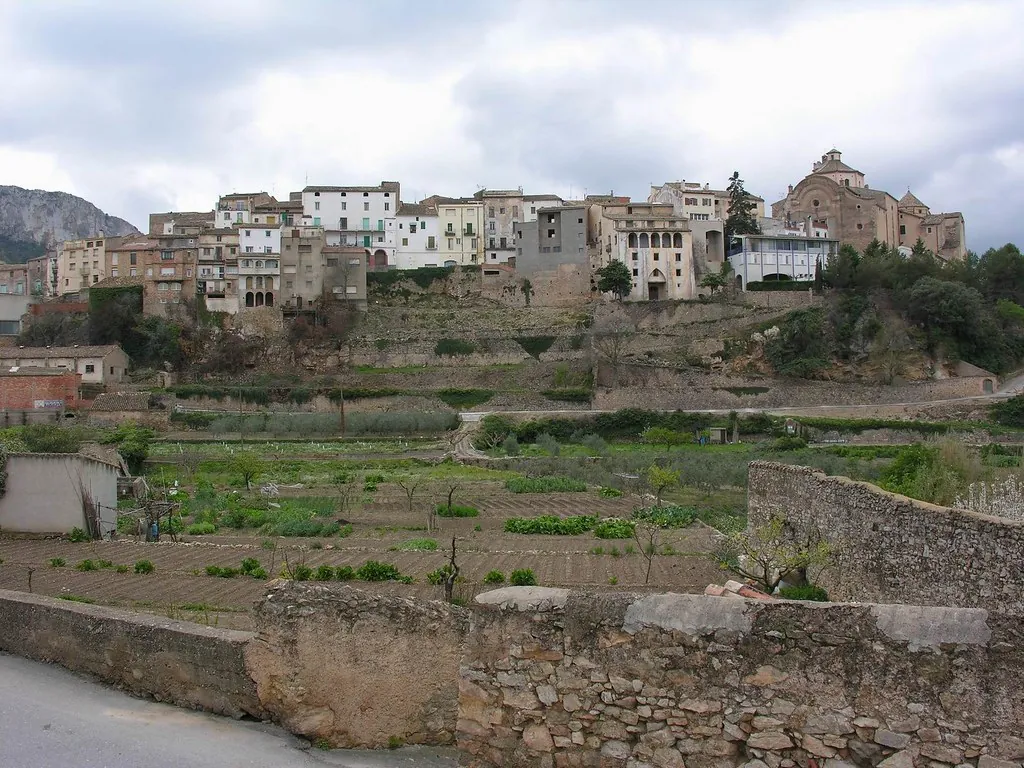
Birthplace of Saint Enrique de Ossó, with a major Iberian site and a Renaissance palace.
Ocultar artículo Leer artículo completo
The River Curve that Time Forgot
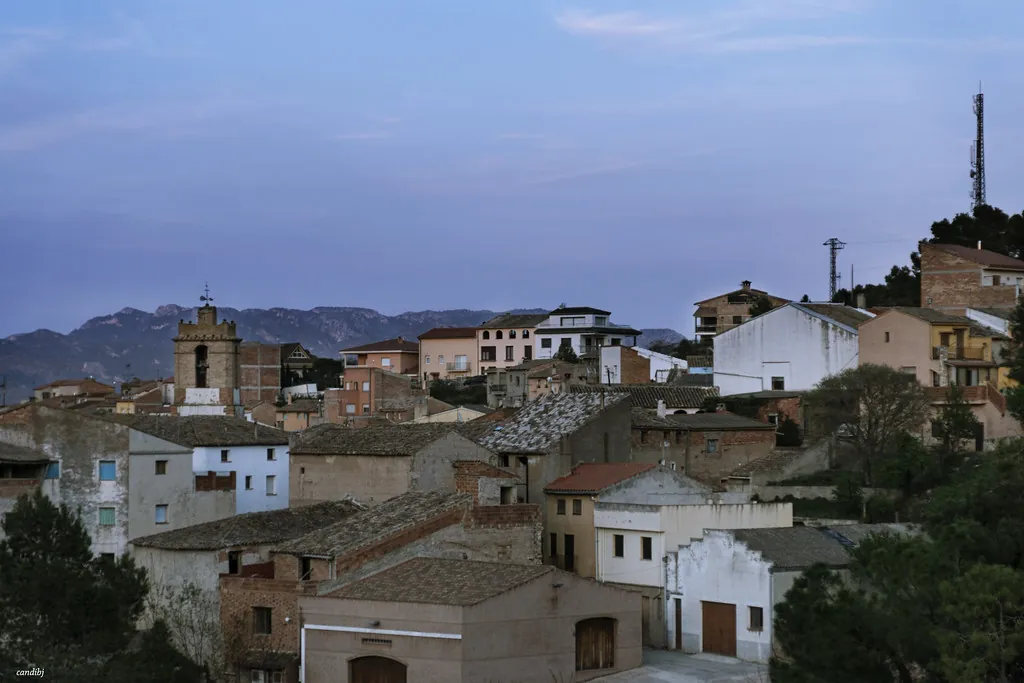
Four hundred souls, one proper road, and a bend in the Ebro so pronounced it shows up on satellite photos before you zoom in. That's Vinebre. Motorists thunder past on the C-12, hell-bent for the Delta's flamingos or Priorat's wine-tasting circuit, unaware the village even exists. Those who do peel off find a place where siesta still shutters every shop and the loudest noise at 22:00 is tree-frogs comparing notes.
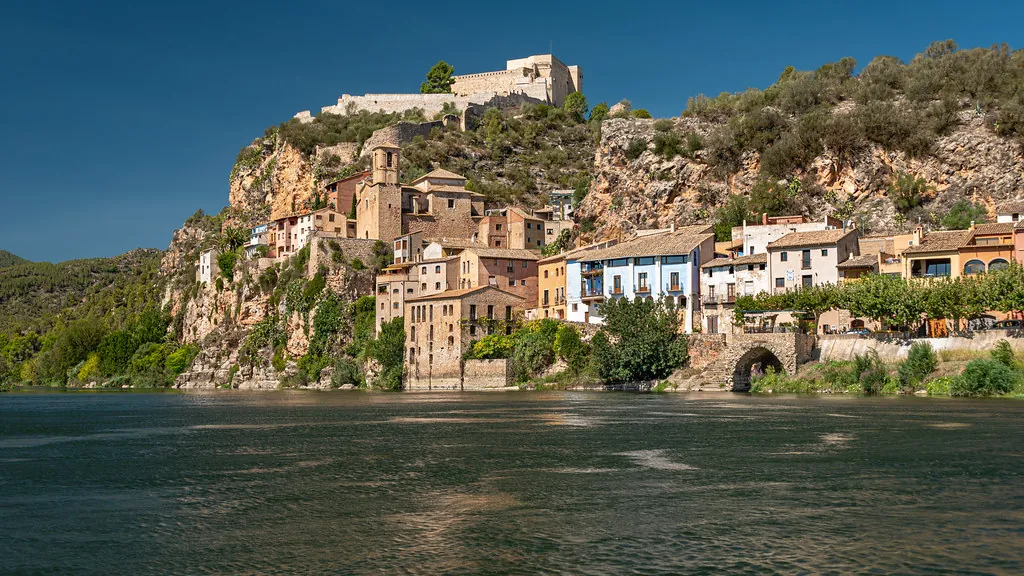
The name hints at a wine past – vigne brevis, brief vine – yet today it's peach orchards and olive groves that stripe the hills. They stop abruptly at the river, where reed beds hide herons and the occasional illicit fishing rod. There is no sea; the coast lies 45 minutes south-east through switch-backing gorge roads. Instead, Vinebre's relationship with water is tidal in mood rather than fact: the Ebro swells with melted snow from the Pyrenees each spring, occasionally lapping over the lower vegetable plots, then retreats to leave a stripe of fertile silt the locals call la línia negra. You will see it on your shoes if you walk the bank path at dawn.
Civil War Scraps and Rebuilt Stones
History here is recent, raw, and mostly unsigned. Bunkers the colour of dry clay poke from almond terraces; a half-eroded trench zig-zags behind the football pitch. These are the relics of the Battle of the Ebro, July–November 1938, when Republican and Nationalist troops fought across the river for three miserable months. Vinebre changed hands twice; every family has a story of hiding in caves or hauling corpses from the water. Nobody has packaged it into a visitor centre. Instead, ask at the bar and the barman – whose uncle was blown up rebuilding the bridge – will draw you a mud-map to the bunker on the hill. Take water; the track is steep, the shade non-existent, and interpretation boards are still "planned for next year", a phrase you will hear often.
The church looks 19th-century but was finished in 1952, paid for with pesetas sent home from cousins in Barcelona and Toulouse. Inside, the Stations of the Cross are painted not on ceramic but on scraps of rationed roof-tin: wartime thrift turned devotional art. Light a candle if you wish; the box accepts whatever coins you have left after discovering the village ATM broke in 2019 and has never been mended.
Slow Motion Itinerary
There are no "must-sees". The pleasure is the pace. At 07:30 the bakery opens; buy a still-warm coca topped with onion and sardine for €1.80, then carry it to the riverside pergola where old men in flat caps already occupy the concrete benches. They will nod good morning whether you understand Catalan or not. Swallows skim the water, the same birds that feasted on emerging midges last evening – Vinebre's circular economy in action.
By ten the sun is punitive. This is when you discover the village is built on two levels: the lower streets bake, the upper ones catch whatever breeze drifts off the water. Walk uphill past the school (twelve pupils, three cats) to the mirador. From here the Ebro describes a perfect horseshoe below; cliffs of gypsum glitter like broken crockery. The GR-99 long-distance path passes through, way-marked with yellow-and-white stripes. A forty-minute loop follows the ridge, then drops through almond terraces to the river road. Wear proper shoes – the descent is loose shale and locals in sandals make it look insultingly easy.
Afternoons belong to the sotos, the flood-plain woods. A dirt track strikes south from the sewage works (smell disappears after fifty metres) into a tunnel of poplars. Bring binoculars: purple heron, kingfisher, otter prints in the mud if you're lucky. In May the air vibrates with mosquitoes; autumn brings the opposite problem – the river shrinks, exposing ankle-twisting boulders. Either season, carry more water than you think civilised; the nearest kiosk is back in the village and it shuts at 14:00 sharp.
What You're Eating and Where
Lunch options number two, occasionally one if somebody's grandmother is ill. Bar Restaurant Sant Miquel doubles as the only hotel – six rooms above the dining room, each with a balcony just wide enough for a chair and a crisis of confidence. The €14 menú del día starts with coca de recapte, a sort of Catalan pizza smeared with roasted red-pepper romesco and topped with aubergine. Follow it with suquet de peix de riu, river-fish stew that tastes like Thames eel might if the Thames were cleaner and the chef less apologetic. Local white Grenache is served in a glass that could double as a goldfish bowl; pace yourself – the road out involves hairpins.
Across the square, La Terrassa del Riu opens only at weekends. Its terrace sits literally over the water; metal railings prevent toddlers sliding straight into the current. Order calçots between January and March: spring onions charred black, served on a roof tile with salvaged newspaper to protect your shirt. Locals wear bibs; tourists ruin jumpers. Pudding is usually mel i mató, fresh goat's cheese drizzled with honey made by the waiter's father-in-law. Cards accepted, but they'll sigh theatrically.
Evening is tapas only. Kitchens reopen at 20:30, sometimes 21:00 if the cook's daughter has ballet. The bars do not post menus; point, smile, pay in cash. Remember: no cash machine. The nearest banks are in Móra d'Ebre, twelve kilometres away, and they close at 14:15. Withdraw before you arrive or you'll be washing dishes.
When to Come, How to Leave
Spring and early autumn are kindest. April brings wild gladioli among the wheat; October smells of new olive oil and the first wood-smoke. Summer is furnace-hot – 40 °C is routine – yet river breezes make nights bearable, just. Winter is quiet, occasionally bleak; the one guest-house keeps its pool empty and the baker shuts on Mondays. If the Ebro is in spate, the lower riverside path floods without ceremony. A yellow rope appears across the access; respect it – the current is stronger than it looks and the Catalan fire brigue is twenty-five minutes away.
You need a car. Reus is the closest airport (55 min), served by summer Ryanair hops from Manchester and Birmingham. Barcelona is two hours on good motorways, then twenty minutes of winding. There is no train; the bus from Tortosa arrives twice daily except Sundays when it doesn't arrive at all. Sat-nav sends you down a goat-track final kilometre; follow the signs for Nucli Urbà, not the GPS shortcut that ends in a farmer's yard. Parking is wherever you can squeeze between irrigation tractors; don't block the orange pickup with one headlamp – it belongs to the mayor.
Leave before dawn on your departure day and the meander glimmers with mist. A heron will be standing motionless, pretending not to notice the insomniac Brit clutching an espresso from the hotel machine. You won't have bought souvenirs – there is no shop – but your shoes carry a rim of black silt. That's the only memento Vinebre willingly gives, and it washes off easily enough. Whether you want it to disappear is another matter.