Full Article
about Campdevànol
Industrial town with rich natural heritage; famous for the 7 gorgs trail
Hide article Read full article
The water of the Torrent de la Cabana smells of moss and wet stone. It is one of the images most often linked to tourism in Campdevànol: a path slipping into beech forest, damp rock underfoot, and then the gorgs appearing one after another upstream like deep, dark green pools. Early in the morning the sun barely reaches the bottom of the ravine. The water, cold as steel, reddens the skin within seconds. This is not a casual dip.
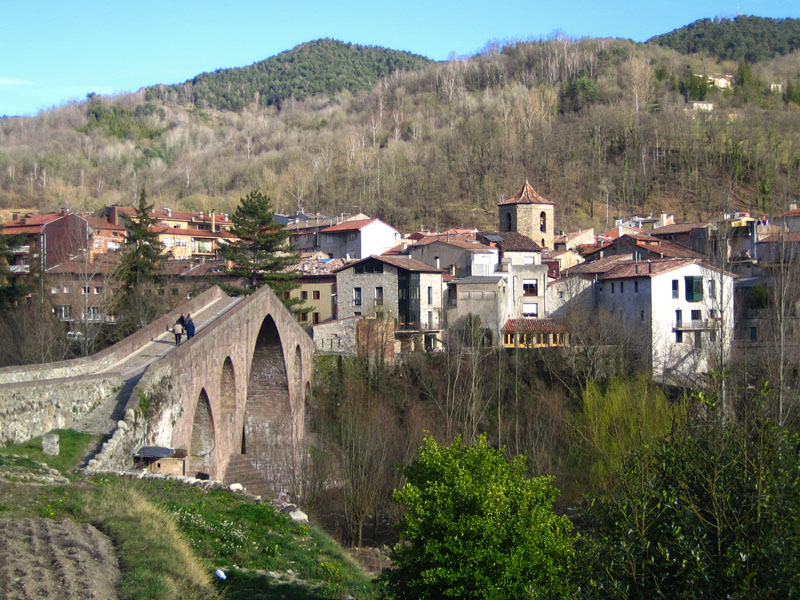
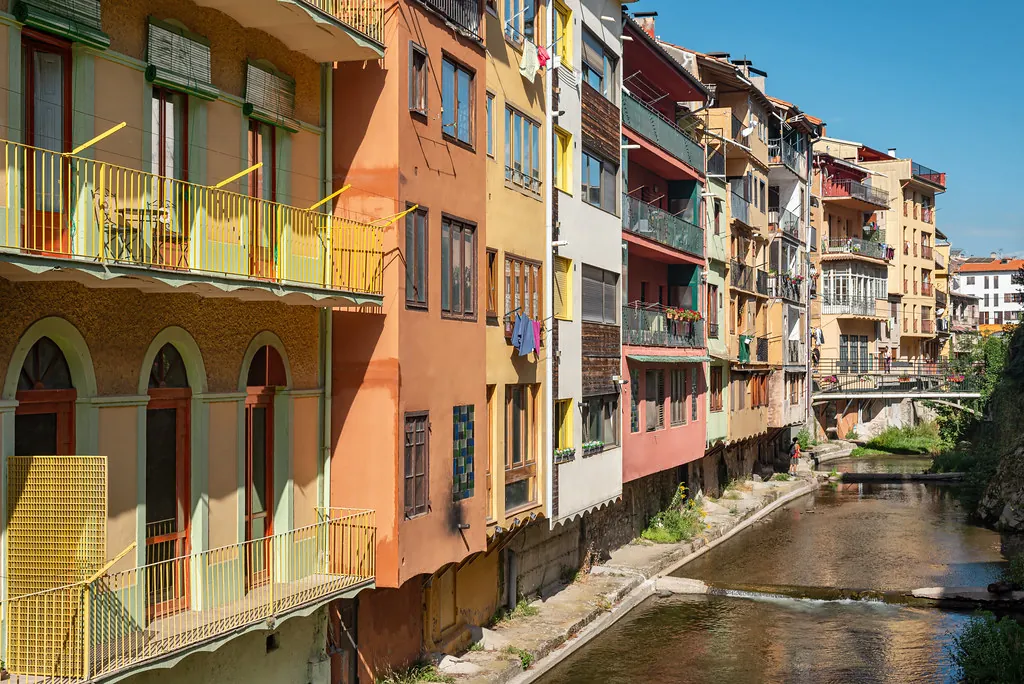
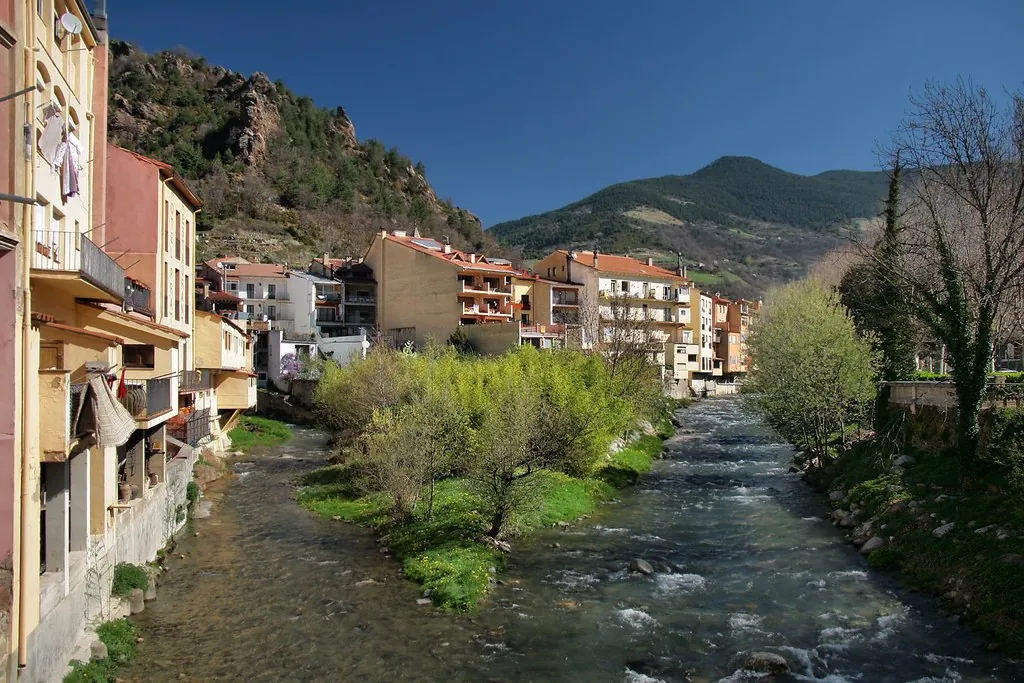
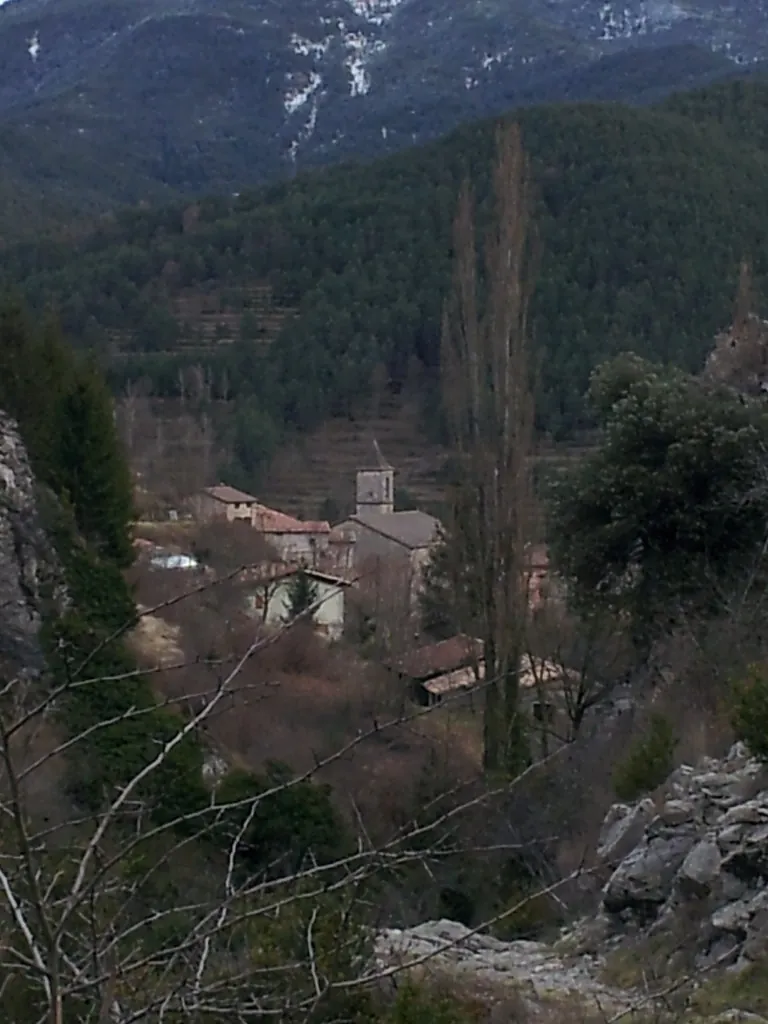
Campdevànol does not reveal itself quickly. It lies just a few kilometres from Ripoll, in Catalonia’s Ripollès region, yet the atmosphere shifts as soon as the constant murmur of the River Freser becomes noticeable. That sound follows you even through the more tucked-away streets. Low houses with pitched roofs cluster near the river, while the valley is closed in by mountains: Taga to the south and the Serra Cavallera stretching along the horizon. Forest forms a kind of wall around the village, shaping both its skyline and its rhythm.
Iron in the Air, Water in the Memory
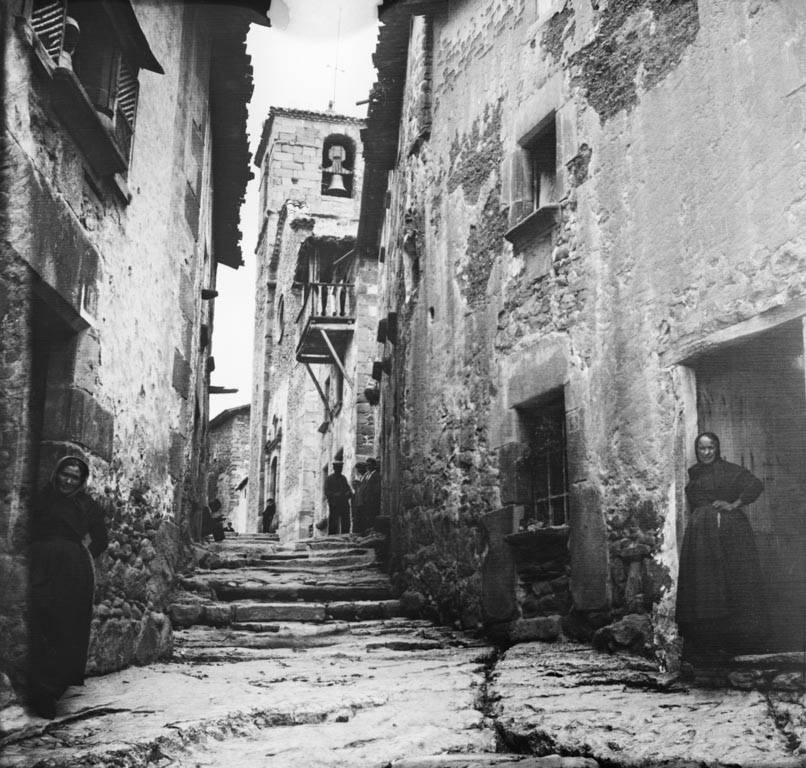
At the Molí Gros, water still takes centre stage. The building is solid, with thick walls and dark wood inside, and it makes clear how closely daily work once depended on the river. Here the link between water and iron is explained, two elements that have long gone hand in hand in Campdevànol. The village formed part of a European network of municipalities connected to the metallurgical tradition. That past lingers in small details: street names, former industrial structures beside the river, ironwork on balconies and fountains.
There is a short walking route through the centre that connects several of these points. It is under two kilometres long and usually takes a little over an hour if time is taken to read the information panels or to look carefully at the irrigation channels and conduits that still cross the village. The route helps clarify something straightforward. For centuries, water here was not scenery. It was energy.
The presence of the Freser is constant. Between the old bridge and the more recent one, the river runs fast and loud. The noise carries across the valley, shaping how the place feels at different times of day.
Sant Cristòfol and a Return to the Centre
The parish church of Sant Cristòfol can be seen from almost anywhere in Campdevànol. Its pale, vertical tower rises above the rooftops and marks the centre of the valley. The current church dates from the mid-20th century, built after the previous structure collapsed following difficult years and structural damage. The reconstruction preserved the scale and presence of the original building.
Inside, everything is restrained. Wooden pews line the nave. Light filters through high windows. There is the faint scent of wax common to many mountain churches. For much of the day, silence dominates the space.
A short distance away stands the pinacoteca dedicated to Josep Coll i Bardolet, a painter born here at the beginning of the 20th century. Many of his works return again and again to the landscapes of the Ripollès: grey winters, muted meadows and heavy skies. Although he spent many years living elsewhere, these mountains continued to occupy his canvases.
The Roar of the 7 Gorgs
The best-known route in the surrounding area is the Ruta dels 7 Gorgs. It follows the Torrent de la Cabana for several kilometres through woodland and over damp rock, with constant ascents and descents. This is not a flat stroll. In busier seasons, access is often regulated to prevent the ravine from becoming overcrowded, so it is wise to check in advance.
The gorgs, natural plunge pools formed by the stream, are numbered. Even so, most visitors end up choosing a favourite. Some are more open, with small stretches of stone that serve as informal beaches. Others are narrower and enclosed, like green wells cut into the rock. The water is rarely warm, even in the height of summer.
The physical effort of the route is part of its character. Roots cross the path, stones can be slick, and the sound of water is rarely out of earshot. The deeper into the ravine you go, the more the outside world seems to recede, replaced by forest, shadow and the steady rush of the torrent.
Mountain Food and Local Rhythms
Back in the village, appetite tends to call for something simple and filling. In the bakeries, coca de sucre is easy to find. This thin, crisp flatbread is topped with sugar and pine nuts, and it appears in many Catalan towns in different forms. Here it often feels like the natural reward after time spent by the water.
Mountain dishes also feature, particularly when temperatures drop. Trinxat, made from cabbage, potato and bacon, is typical of the region. Game stews appear in colder months. Cheeses circulating locally tend to come from small farms in the valley or nearby mountains, with the stronger edge associated with raw milk.
These foods reflect the same landscape that shapes the walks. They are practical, rooted in what the valley provides, and suited to a climate that can shift quickly between seasons.
When to Go, When to Pause
May and early June are often good times to walk along the Torrent de la Cabana. Snowmelt feeds the watercourse, and the forest is at its greenest. In high summer the route remains appealing, but weekends bring a noticeable increase in visitors.
The local calendar includes traditional celebrations, among them the well-known dansa de la Gala. For a couple of days the streets fill and the pace of the village changes. The atmosphere becomes lively, and daily routines adjust to accommodate the festivities.
At dusk, when light fades and traffic on the nearby road quietens, the Freser takes over again. The river moves quickly between the two bridges, striking stone and sending up a constant, rhythmic sound. In Campdevànol, the landscape often begins with that noise. It lingers long after everything else has settled.