Full Article
about Campelles
Small high-mountain village with spectacular views; quiet, traditional atmosphere
Ocultar artículo Leer artículo completo
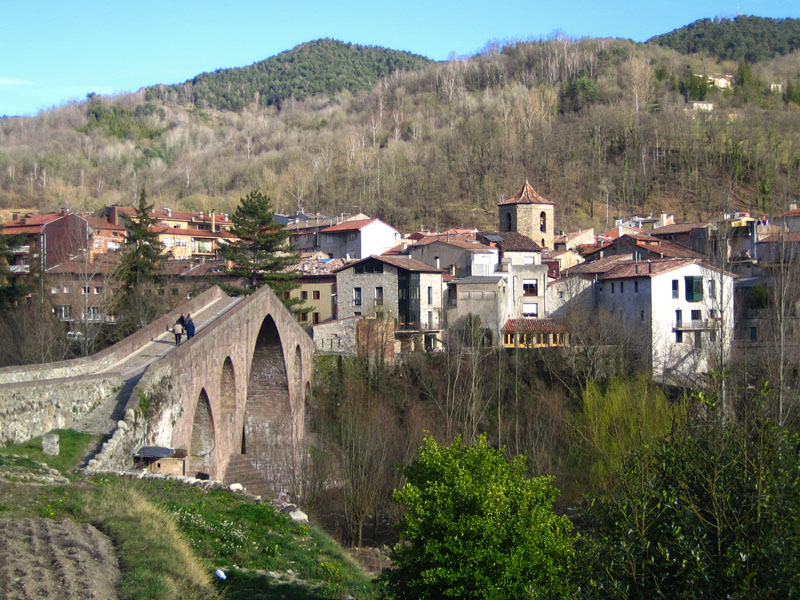
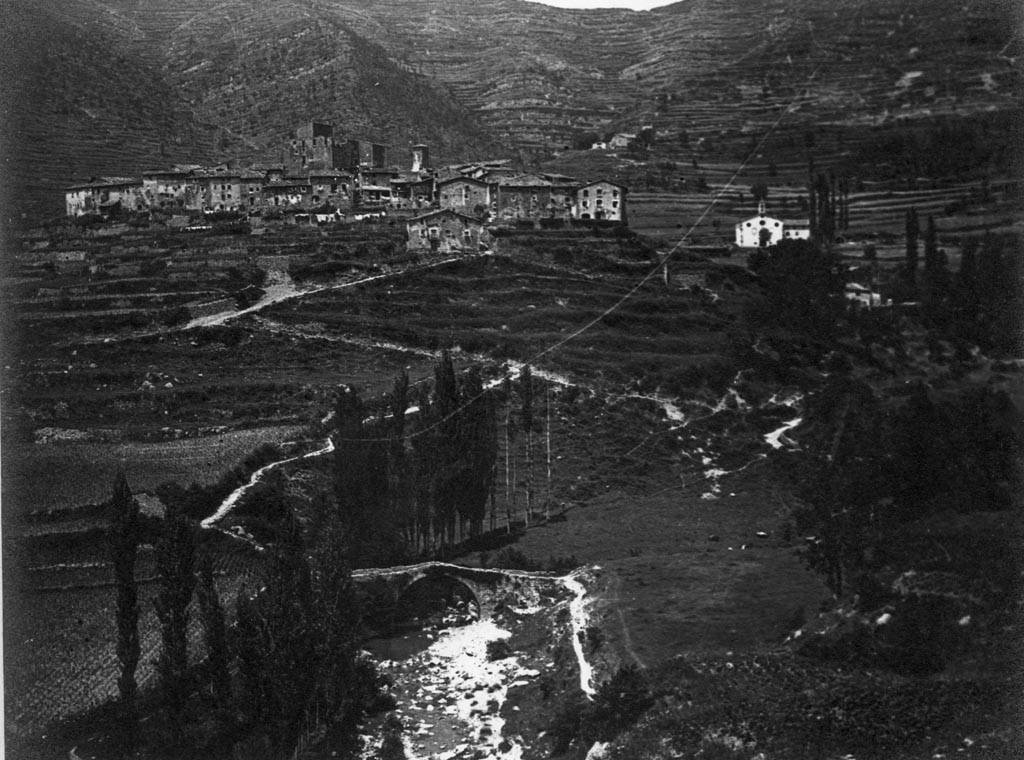
The church bell strikes eleven and the sound drifts across stone roofs still wet with mountain dew. Below, the valley of the Riu Rigard scrolls out like a crumpled green quilt, stitched together by terraces no-one farms anymore. This is Campelles: 164 souls, one grocery-cum-bar, and a view that makes seasoned hikers pause mid-stride.
Stone, Smoke and Silence
Altitude changes everything. At 1,300 m the air thins enough for you to notice it on the short climb from the car park to the centre. Oaks give way to beech and then to Scots pine; the temperature drops three degrees between Ribes de Freser, eight kilometres down the hair-pin road, and the village square. Even in July you’ll want a jumper after sunset.
Houses are built from the mountain itself: grey granite walls 60 cm thick, wooden balconies painted ox-blood red, slate tiles held in place by their own weight. Chimneys dribble wood-smoke all year; it is still cheaper to cut beech than to pay for heating oil. The architectural uniform means the place looks bigger than it is – until you realise the “main street” ends where the track to the forest begins.
There is no coquettish tourist office, no artisan ice-cream parlour. Instead you get Vicent’s shop: three shelves of tinned tuna, local sheep cheese vacuum-packed by his wife, and a fridge of Estrella beer that doubles as the village post room. Opening hours are elastic; if the door is locked, the bar across the lane will sell you bread and point you to the start of the footpath.
Walking Without Way-markers
A faint yellow arrow on a barn wall is all the signage you’re given. Follow it past the last house and you’re into the Ribes forest, 4,000 hectares bequeathed to the bishop of Vic in 898 and never parcelled out since. The trail climbs gently through beech, the ground muffled by last year’s copper leaves. In early October the colours turn so fast locals swear they can see the change overnight; photographers arrive with tripods and thermos flasks, but mid-week you’ll have the woods to yourself.
Forty minutes on, the track splits. Left drops to the hamlet of Queralbs, stone houses wedged between two boulders and a stream that powers the village washing trough. Right climbs more steeply towards the Núria sanctuary, four hours away on foot. British walkers often underestimate the gradient: the path gains 750 m in the first two hours, the sun disappears behind the east ridge by four o’clock, and the only water source is a spring signed “no potable” in Catalan. Take the cremallera rack-railway from Ribes instead if you want the valley views without the slog.
Back in Campelles the short Mirador loop delivers the best effort-to-view ratio in the county. From the church door it is 1.2 km along a tractor track to a wooden platform that hangs over the valley. On clear winter days you can pick out the distant white stripe of the Costabona glacier; in summer the same slope glints with the tin roofs of Pardines, 600 m below. Allow 45 minutes, plus another ten for the inevitable phone-call to a friend back home: “You won’t believe where I’m standing…”
What You’ll Eat and What You Won’t
Restaurants fit on one hand. Cal Ras opens Thursday to Sunday and serves the sort of food that makes a Pyrenean farmer forget he has to be up at five. Start with trinxat, a cabbage-and-potato hash bound together with smoky bacon fat; follow with canelons de bacallà, salt-cod wrapped in pasta tubes and glazed with béchamel strong enough to stand a spoon in. Vegetarians get escalivada, roasted aubergine and peppers dressed with local olive oil so peppery it catches the throat. House red from Celler de Capçanes costs €14 a bottle and tastes like a Rhône villages at twice the price. Pudding is optional; the walk back uphill to your accommodation works better than any digestif.
If Cal Ras is full, Bar Vicent will grill you a plate of xai de muntanya, mountain lamb rubbed only with salt and rosemary. Chips come frozen – accept it or go hungry. Either way, finish with formatge de tupí, sheep cheese matured in olive oil and brandy. Order it with honey; the neat version has the bite of a Stilton left in a rugby changing room.
Seasons That Make Their Own Rules
Spring arrives late. Snow can fall in April, and the road was closed for two days last May after a late storm dumped 30 cm. By June the meadows are striped yellow with buttercups and the first hikers appear, blinking in the unexpected brightness. July and August stay pleasantly below 25 °C – bring a fleece for the evening. September is the sweet spot: stable weather, warm afternoons, mushroom knives clipped to every other rucksack. October colour peaks around the 20th; book accommodation early – Catalan schools have a long weekend and families book out the village.
Winter is serious. The tarmac up from Ribes is treated, but ice forms in the shade by mid-afternoon and snow-chains are compulsory on the final two bends. The village switches to weekend-only life: Saturday brings day-trippers on snow-shoes, Sunday evening the lights go off by ten. If you want solitude, January is perfect; if you want company, choose elsewhere.
Getting There, Staying Sane
No-one arrives by accident. Fly to Barcelona, take the train to Ribes de Freser (2 h 15 min, €22 if booked online), then pre-book a taxi through Hotel Ca l’Eva (€25, cash only). Hiring a car is easier: the C-17 is dual-carriageway almost to Ripoll, after which the N-260 follows the river. Petrol and cash machines live in Ribes – fill up both before the climb.
Accommodation is limited. Cal Perdiu has three rustic rooms above the baker’s wood-store; breakfast is strong coffee and a still-warm coca flatbread. El Forn offers self-catering in a converted bakery – the oven door is now the sitting-room window. Both places provide walking notes sketched on the back of last week’s shopping list; accuracy is high, scale is optimistic.
The Honest Verdict
Campelles will not entertain you. It will not flatter you with gift shops, nor tempt you with cocktail bars. The mobile signal wheezes in and out, the church bell tolls on the quarter, and the night sky is so dark you’ll see satellites you never knew existed. Come prepared – boots, fleece, sense of humour – and the place gives back a rare commodity: the feeling that, for a day or two, the world has slowed to the speed of footfall and wood-smoke. Arrive expecting amusement and you’ll be miserable by nightfall. Arrive ready to walk, eat and switch the phone to aeroplane mode, and Campelles starts to make perfect, quiet sense.