Full Article
about Llanars
A village near Camprodon with rural charm; notable Romanesque church and mountain setting.
Hide article Read full article
A Small Village by the Ter
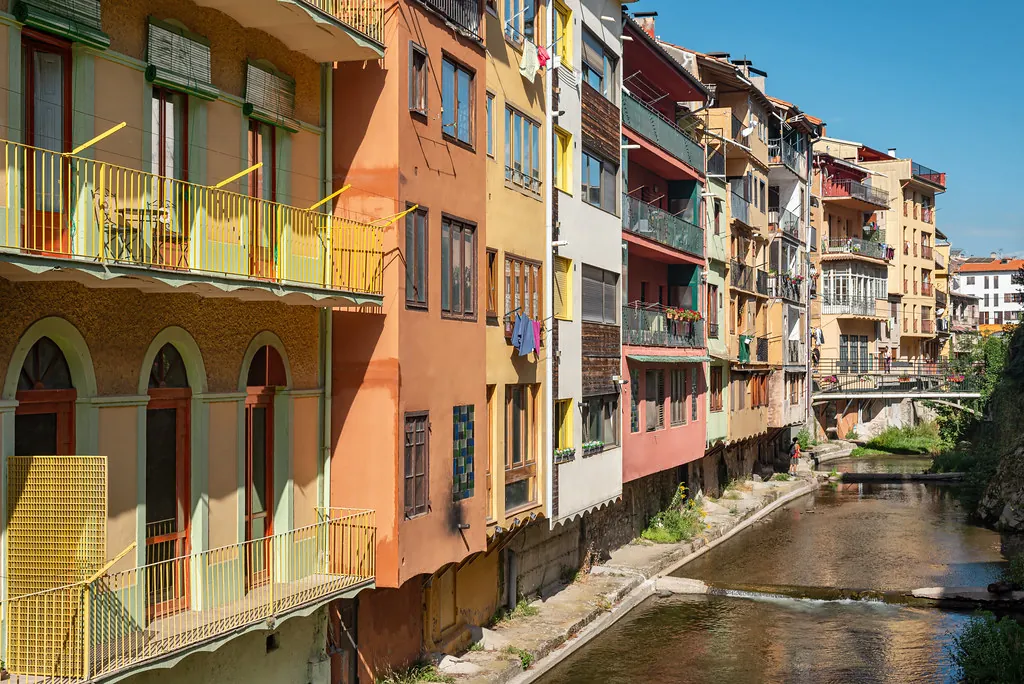
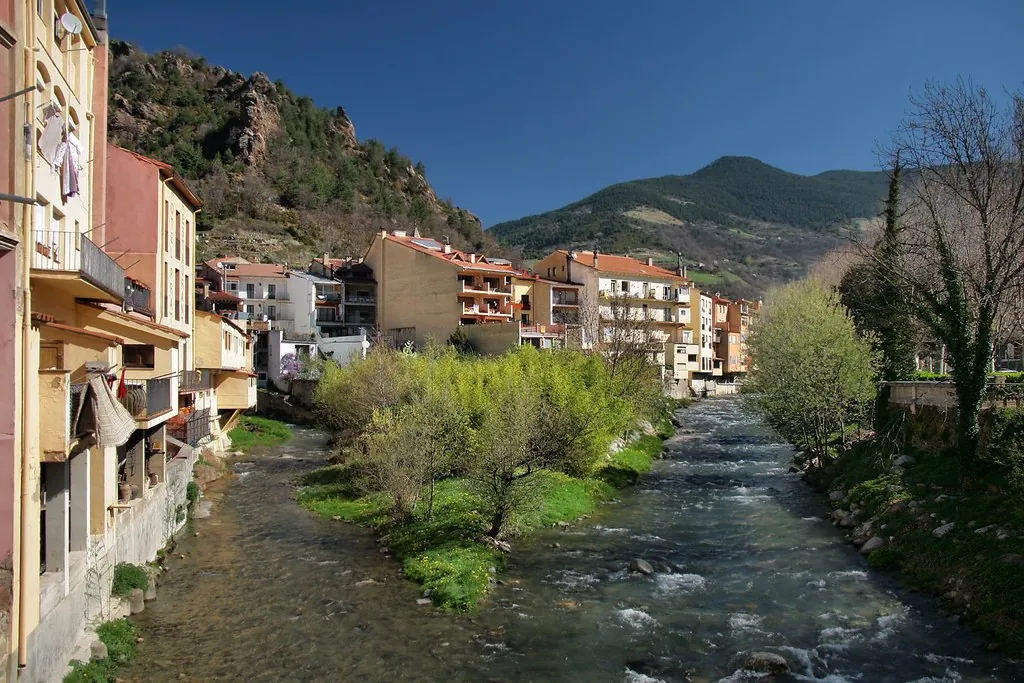
Early in the morning, before the sun clears the line of mountains, cold air slips down the sides of the valley and settles over Llanars. In summer it feels fresh and welcome. In winter it works its way into your hands even through gloves. Close to the village centre, the river Ter runs past, heard before it is seen, its steady rush a constant presence that has always accompanied life here.
Llanars lies in the comarca of Ripollès, in Catalonia, and is small even by the standards of this valley. There are only a handful of streets, stone houses in good condition and meadows that begin almost as soon as you step beyond the last doorway. Camprodon is just a few minutes away by car, so many visitors choose Llanars as a quieter base while most of the bustle gathers there.
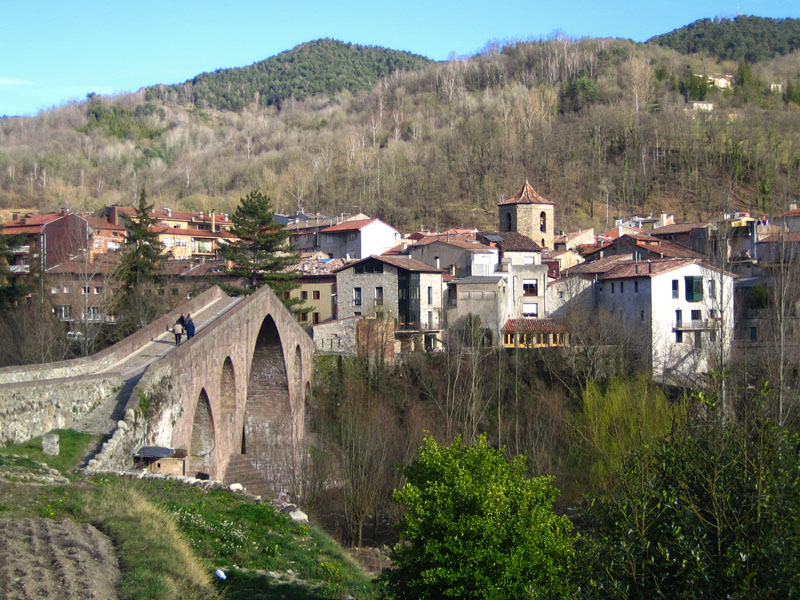
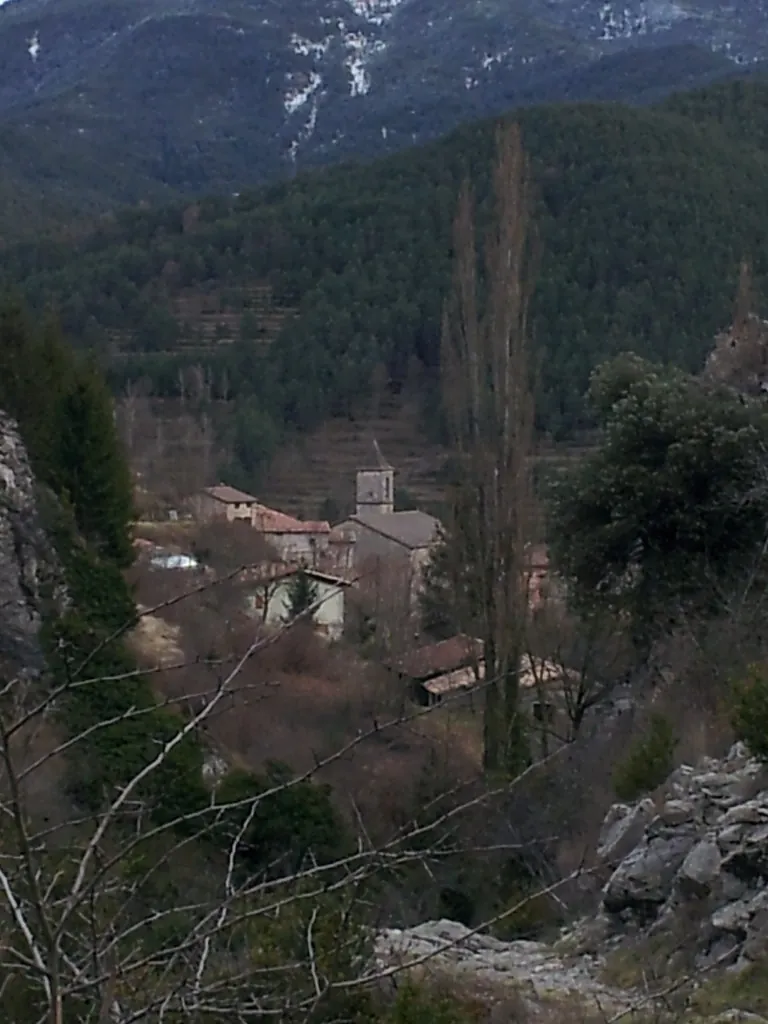
At the heart of the village stands the church of Sant Esteve. Its origins are medieval, although what can be seen today reflects successive alterations over time. The bell tower is easy to pick out when arriving along the valley road. Around it, the houses show the familiar features of the eastern Pyrenees: thick stone walls, wooden balconies and roofs designed to cope with snow.
Walking Along the River and Through the Valley
One of the simplest walks begins almost in the village itself, following the course of the Ter. The path runs between meadows and small patches of woodland, with stretches where the water flows very close by. It is not particularly demanding and is often done with children, though sturdy footwear is advisable as some sections can be damp underfoot.
Venturing a little further brings you onto rural tracks that link Llanars with other small settlements in the valley. Many cross open pasture where cattle can be seen grazing for much of the year. In autumn the ground is carpeted with leaves, and after the first rains the scent of wet earth hangs in the air.
It is wise to carry a map or have the route downloaded on a mobile phone. Some junctions are clearly marked, others less so, and it is easy to find yourself following a livestock track that continues far longer than expected.
On the Road to Vallter
From Llanars, the road continues up the valley towards Setcases and beyond to the Vallter area. In winter, when snow arrives, the village fills with cars early in the morning. Some belong to people staying here or nearby who then head up towards the ski slopes or out walking with snowshoes.
The distance in kilometres is not great, yet the road is winding and can be slower than usual on snowy days. During the busiest part of the season, setting off early helps avoid much of the traffic. Even for those not planning to ski, the route itself gives a sense of how the valley narrows and rises as it approaches the higher peaks.
Farmhouses, Meadows and Seasonal Change
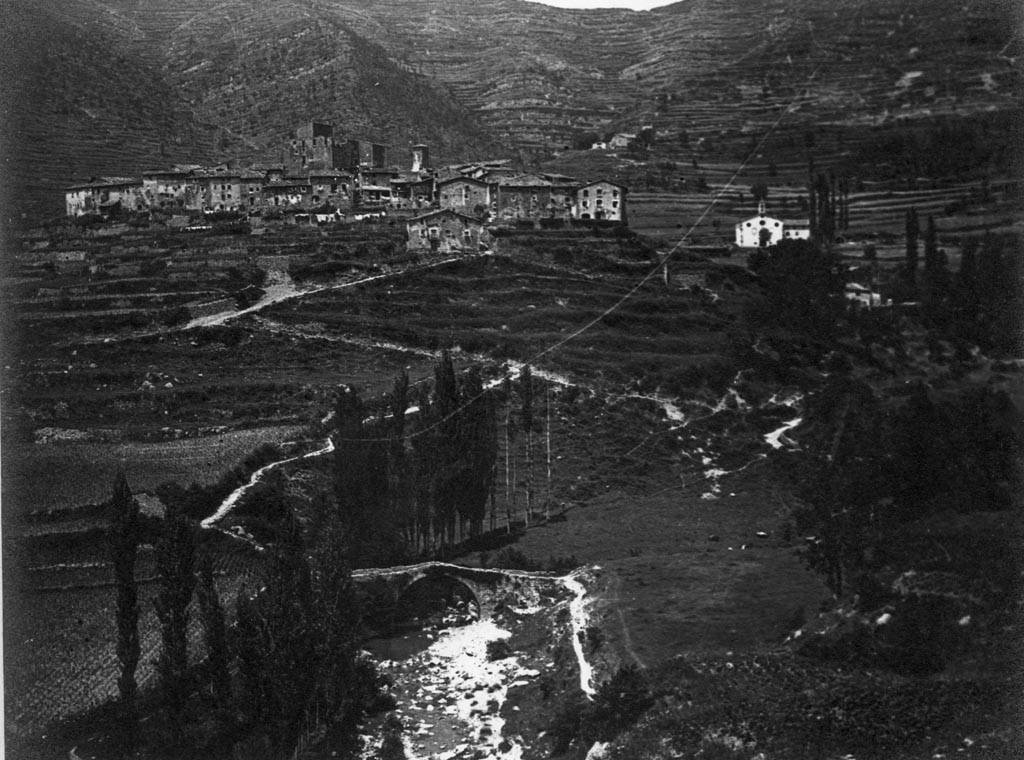
Scattered around Llanars are several masías, traditional Catalan farmhouses, some still dedicated to livestock farming. The open meadows are a defining feature of the Ter valley landscape and shift in appearance with the seasons. In spring they turn a vivid green. By late summer they fade to dry yellow. In winter they may be covered by a thin layer of snow.
Autumn brings another quiet activity to the surrounding woods: mushroom foraging. People head out in search of wild fungi, although the harvest depends heavily on how generous the rains have been that year. Some seasons are abundant, others disappointing, and the forest reflects that uncertainty.
Life here follows the tempo of these changes. Cattle graze, smoke rises from a chimney on colder days, and the sound of the Ter continues its steady course down the valley.
Local Festivities and the Pace of the Year
The main village festival, the festa major, usually takes place in summer. At that time families who still keep a house in Llanars return, even if they now live elsewhere. For a few days the atmosphere shifts. There is more movement in the streets, music in the square and long shared meals that stretch into the evening.
On 26 December, the day of Sant Esteve, the mood is much quieter and more family oriented. In Catalonia this date is traditionally marked as a public holiday, and in Llanars it remains closely linked to the parish and to gatherings among neighbours. It is a local moment rather than an event aimed at visitors.
When to Come
Llanars works in any season, but expectations matter. In the height of August the valley sees a fair amount of activity, partly due to its proximity to Camprodon. There is more traffic on the road and more movement in the surrounding villages.
Those looking for silence will find that the first hours of the day offer a different picture. In autumn, too, Llanars often appears much as it does for most of the year: damp meadows in the morning light, smoke lifting from a chimney, and the uninterrupted sound of the Ter running down the valley.
It is not a place of grand monuments or dramatic attractions. Its appeal lies in scale and setting, in the closeness of pasture and river, and in the way daily life continues at a measured pace beneath the mountains of the Ripollès.