Full Article
about Ogassa
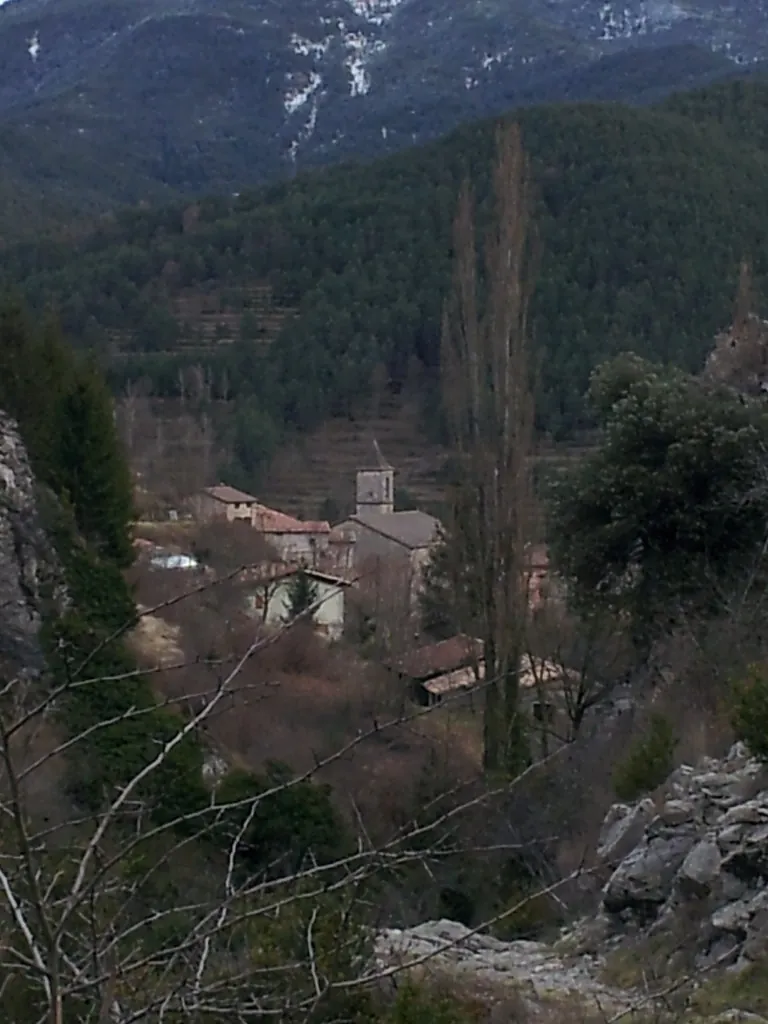
Former coal-mining village beneath the Serra Cavallera with stunning views
Hide article Read full article
A mountain village you reach on purpose
Some places appear almost by accident. The road narrows, the bends become tighter, you glance at the GPS to check you have not taken a wrong turn, and then the village comes into view. Tourism in Ogassa has something of that feeling: arriving in a small corner of the Ripollès where the landscape sets the tone and the past is scattered across the hills rather than contained in a museum.
Ogassa is small, one of those municipalities where everyone knows everyone else. It sits in a mountain area where winter makes itself felt. For decades, daily life revolved around coal mining. The traces of that period are still visible, as if the village had chosen not to erase it completely.
From Girona, the drive usually takes a little over an hour and a half. The route heads up the C‑17 towards Ripoll, then continues along local roads that prepare you for what lies ahead: forest, slopes and a good deal of quiet. This is not a place you pass through by chance. If you arrive in Ogassa, it is because you meant to.
The visible mark of the mines
Walking around Ogassa has an unusual rhythm. One moment it feels like a calm mountain village, the next you come across remnants of its mining past. Old structures, mine entrances and installations half hidden among meadows and trees appear without ceremony. It is not arranged as a themed attraction. Much of it simply remains where it was.
That gives the place context. From the late nineteenth century and for much of the twentieth, coal extraction shaped life here. Today it is hard to picture the level of activity there must once have been, given how peaceful everything seems.
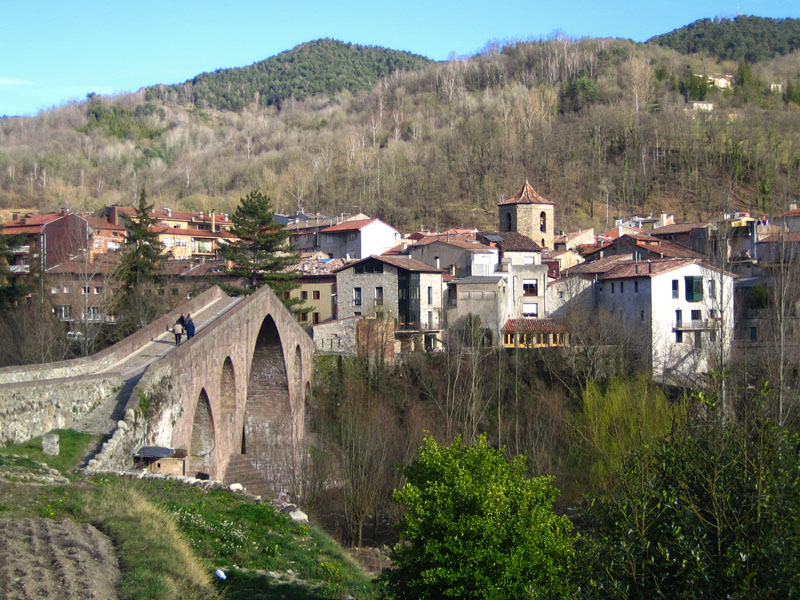
At the heart of the village stands the church of Sant Martí. It is sober in style, well suited to a mountain settlement where there has never been much room for ornament. Around it, houses adapt to the slopes, reinforcing the sense of a place where winter dictates a slower pace.
The natural surroundings play their part too. Forests encircle the municipality and shift dramatically with the seasons. In summer they are a dense green. When autumn arrives, the tones turn ochre. From certain nearby paths, views open out towards the mountains of the eastern Pyrenees. They are not postcard scenes, but they do make you pause for a moment.
Forest paths and little else, which is enough
Ogassa works well as a base for walking. Paths and forest tracks lead into the woods with minimal tourist signposting. Some visitors appreciate that. Others may find it slightly unsettling.
Those who are comfortable with a map or GPS, and who prefer not to share the trail with large numbers of people, tend to enjoy it here. Among beech trees, pines and mountain meadows, it is common to spot signs of roe deer or wild boar. With a little patience and a glance at the sky, a bird of prey will often appear, circling on the thermals.
When snow arrives, certain groups head to the area for snowshoe routes or ski touring on nearby slopes. There are no prepared circuits. Each group organises its own outing, and proper equipment is essential, especially when fog rolls into the forest.
Autumn has its own following. The area is known for mushrooms such as rovellons and fredolics, both highly valued in Catalonia. During those weeks there is noticeably more movement along the paths. As in the rest of Catalonia, mushroom picking is usually regulated, so it is wise to check the current rules before filling a basket.
A village that still functions as a village
With just over two hundred residents, Ogassa maintains a way of life closely tied to its surroundings. There is some livestock farming, some agricultural work and many family houses that become busier at weekends or during holidays.
The festa major, the main annual festival common to towns and villages across Catalonia, is usually held in August. This is when Ogassa feels livelier. People who live elsewhere return, activities are organised and for a few days the streets carry more noise than usual.
In November, the village marks Sant Martí, its patron saint. It is not a large celebration, but it keeps local tradition alive in a way that still matters in small communities. The events are simple and neighbourly in character.
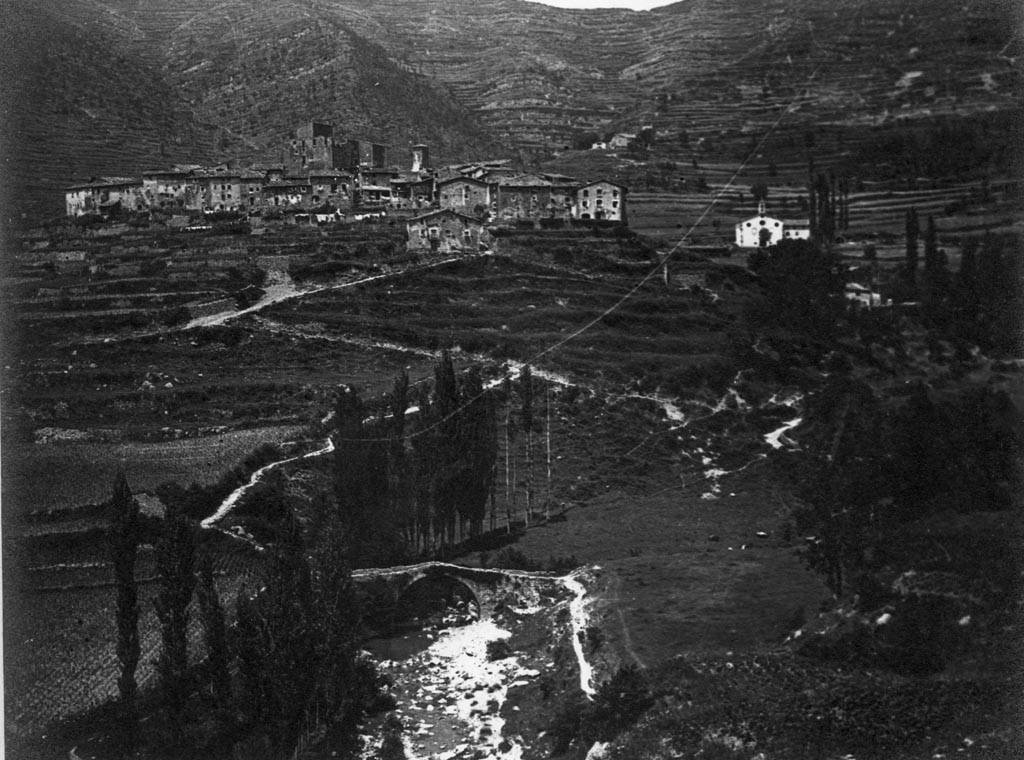
Daily life otherwise follows a steady rhythm. The connection to the land remains visible, whether in the surrounding fields or in the way homes cluster according to the terrain. It is a place where change has happened, yet not at a frantic pace.
Is it worth the detour?
Ogassa is not the kind of destination where you arrive, take a handful of photos and leave feeling you have uncovered a secret. It is a quiet village with a clearly defined mining past and a forested setting that invites long walks.
Anyone expecting a spectacular historic centre or an extensive checklist of sights may come away underwhelmed. There is no grand architectural ensemble waiting to be ticked off. What you will find instead is a mountain settlement where the marks of earlier generations are still visible, both in the landscape and in the layout of the village itself.
For travellers drawn to places where the way of life has been shaped by the terrain and by a specific industry, Ogassa has a certain appeal. The coal mines have fallen silent, yet they continue to frame how the village is understood. The forests shift colour as the months pass, and the eastern Pyrenees remain on the horizon.
Sometimes the simplest description is the most accurate: it is peaceful here. On certain trips, that is reason enough to make the journey up the narrowing road and see Ogassa for yourself.