Full Article
about Queralbs
Picturesque stone village; starting point of the rack railway to Núria
Hide article Read full article
Where the Pavement Ends
You know that feeling when your car’s GPS just gives up and the road narrows into a single lane that clings to a mountainside? That’s the final approach to Queralbs. You park where you can, and from there, it’s all on foot. Up.
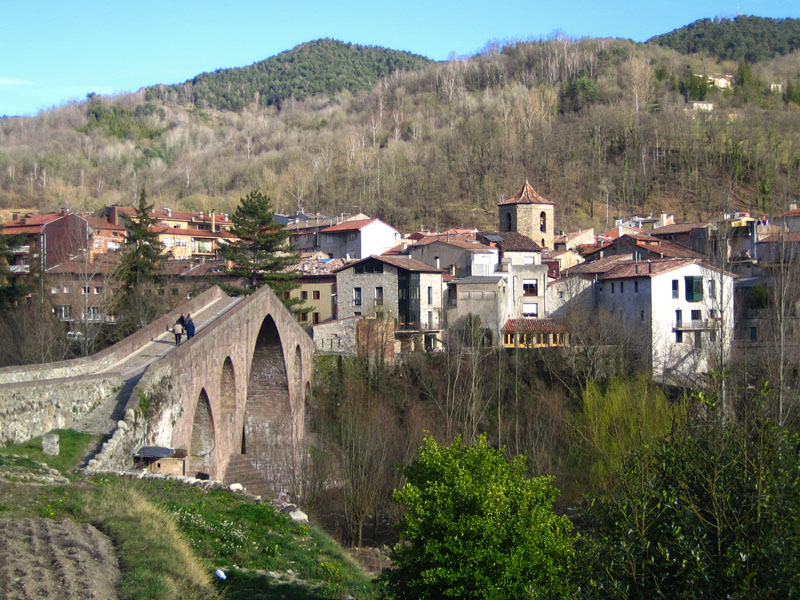
Perched at 1,236 metres in the Ripollès, this village of about two hundred people has long been the last stop before the high Pyrenees take over. It feels like an outpost. The air is thinner, the light sharper, and behind you, the valley you drove up seems suddenly very far away.
Most folks blow through on their way to the rack railway up to Núria. That’s fine. But treating Queralbs as just a car park for the train is like only eating the breadsticks and skipping the meal.
Stone, Slopes, and Survival
Forget aimless strolling. Walking here is a functional activity. The streets are steep staircases of rounded river stone or wooden planks, slick after a rain. They weren’t built for Instagram; they were built so people wouldn’t slip and break their necks during seven months of winter.
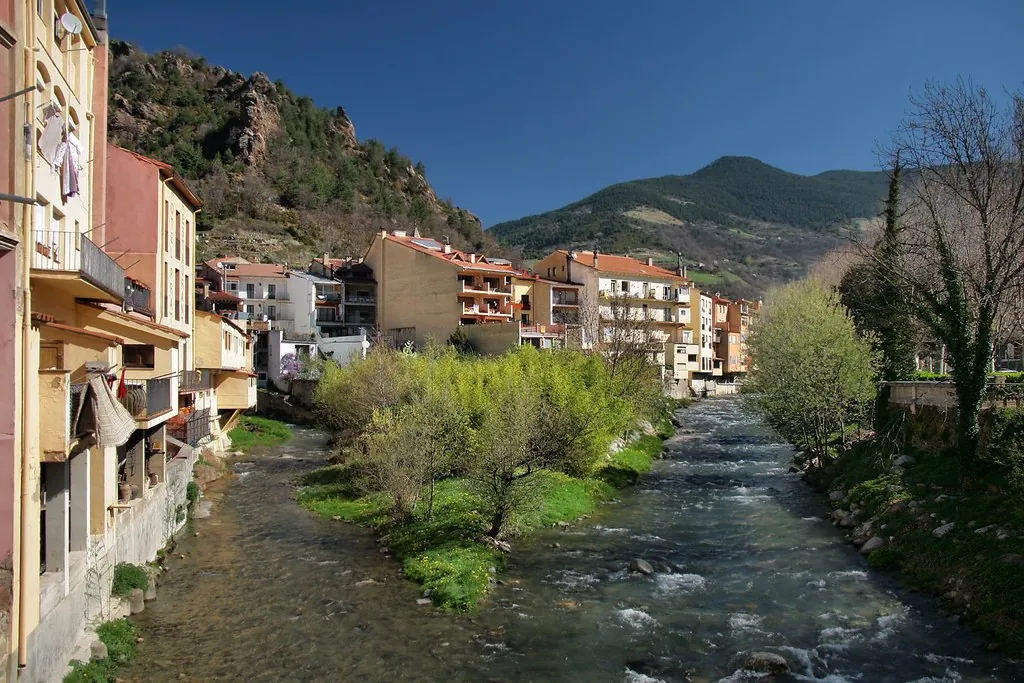
The architecture follows the same no-nonsense script. Houses have thick walls, small windows, and roofs pitched steeply to shed snow. Ornament is scarce. In the centre, the Romanesque church of Sant Jaume stands with a kind of stubborn humility. If its heavy door is open, step in. The silence inside is thick, often broken only by the distant rush of the Freser River—a constant reminder of what powers this valley.
This isn't a grand historic site. It's a practical settlement that fits into the land like a stone in a wall.
The Rack Railway and The Old Path
Yes, you come here for Núria. The Cremallera rack railway station is the village's main hinge. The train itself is a slow, grinding climb through tunnels and past rock faces that feel close enough to touch. It’s less a commute and more an event.
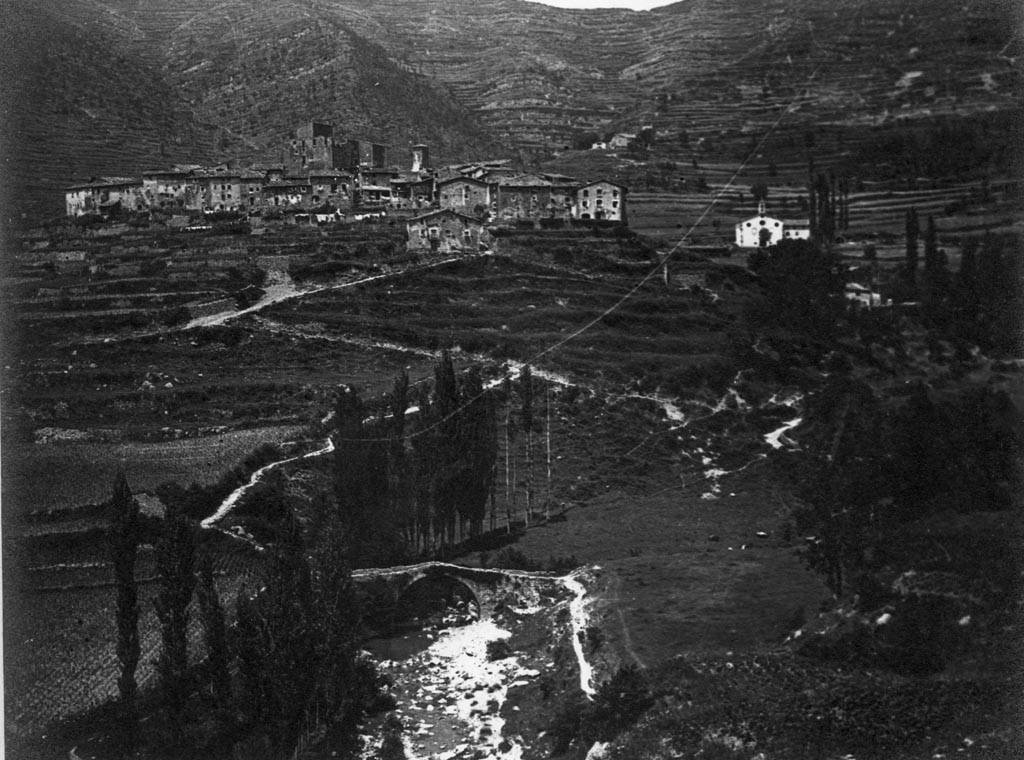
But there’s also the old walking path, which predates the rails by centuries. It’s a proper mountain trail—uneven, rocky in parts, and consistently uphill. It demands decent shoes and some lung capacity. Taking it gives you a clearer sense of why Queralbs exists where it does: it was literally the end of the line before technology gave us a boost.
The Shadow of Puigmal
The village lives under Puigmal’s gaze. At nearly 3,000 metres, it dominates everything. Trails lead straight from Queralbs' outskirts into pine forests that eventually give way to open alpine meadows.
In late spring or early summer, you get that classic Pyrenean contrast: wildflowers at your feet while stubborn snow patches cling to Puigmal's upper slopes. The landscape here doesn't do gentle rolls; it's all angles and ascent.
Winter Changes Everything
Come winter, Queralbs transforms completely. Snow isn't scenic here; it's logistical. Those picturesque stone lanes become slippery trenches. Life moves slower, more deliberately.
You'll see people heading out with ski touring or snowshoeing gear towards higher ground or frozen waterfalls nearby.This isn't resort territory; it's for people who know what they're doing in serious mountains.The cold season reminds you that this place wasn't built for tourism,but for persistence.
A Practical Kind of Tradition
Local festivals here feel connected to the land's rhythm.The festa major for Sant Jaume involves traditional dances where participation seems more important than performance.Later in summer,there are often demonstrations of sheep shearing or wool work—less a show,more a shared memory of how life here functioned for generations.
And when December's deep cold sets in,the living nativity scene set up in the old quarter doesn't feel staged.It feels like just another part of winter life in these mountains,a story told against its natural backdrop.
Queralbs works because it doesn't try to be anything else.It's not pretending to be a cozy alpine fantasy.It's a functional,mountain-tough village that happens to be on the way to somewhere famous.My advice?Stop.Look past the station.Walk its demanding streets.Feel that altitude.It gives context to everything that comes next