Full Article
about Ribes de Freser
Mountain town at the confluence of three rivers; main gateway to the Vall de Núria
Hide article Read full article
A stop that turns into a stay
Some places are planned. Others happen almost by accident. Ribes de Freser often falls into the second category. Many travellers arrive on their way to Vall de Núria, drawn by the famous rack railway that climbs into the valley, and intend to pause briefly before moving on. Quite a few end up lingering longer than expected.
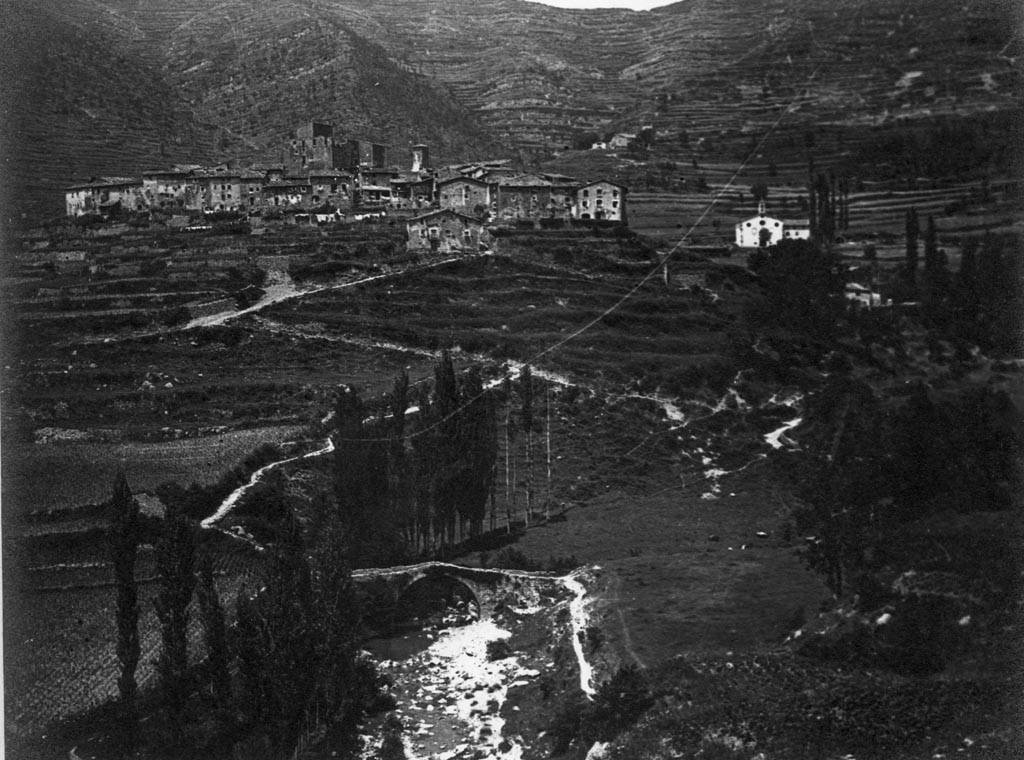
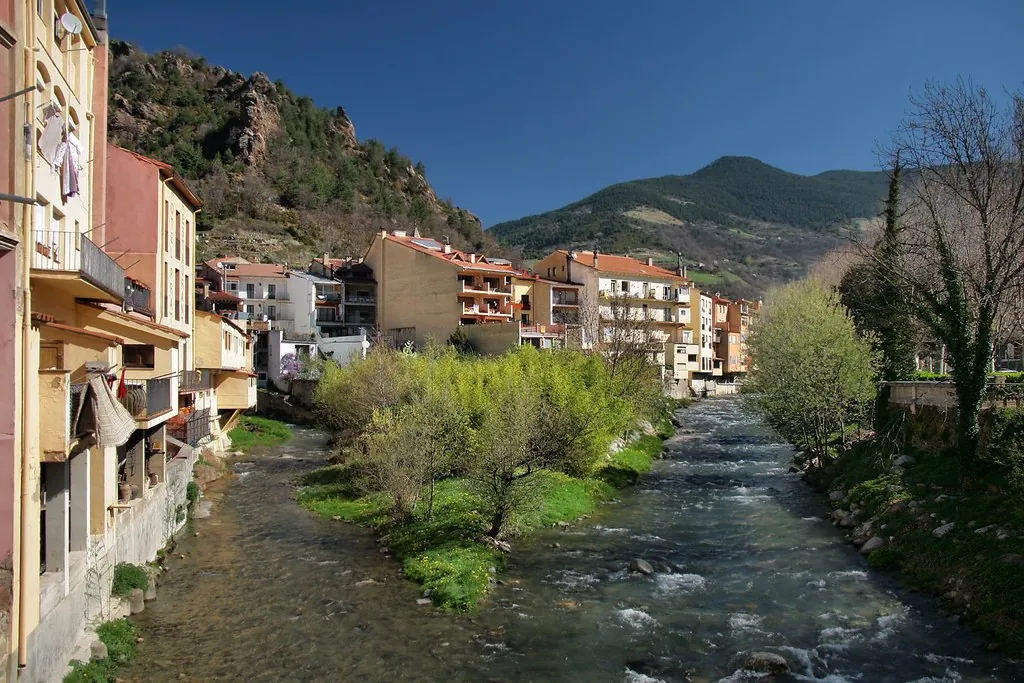
Ribes de Freser lies in the comarca of Ripollès, in the Catalan Pyrenees, at around 900 metres above sea level. Mountains surround it on all sides. Fewer than two thousand people live here today, yet for a long time it was a lively place. Industry, the arrival of the railway and its role as a gateway to the higher valleys all left their mark. That past still shows if you walk without rushing.
This is not a polished postcard setting. It is a working mountain town, shaped by effort and routine, and it continues to function as a real place rather than a stage set for visitors.
Walking through the heart of Ribes
There is no need for a carefully plotted itinerary in Ribes de Freser. The simplest approach works best: start walking and see where the streets lead. Before long you will probably have crossed the river more than once.
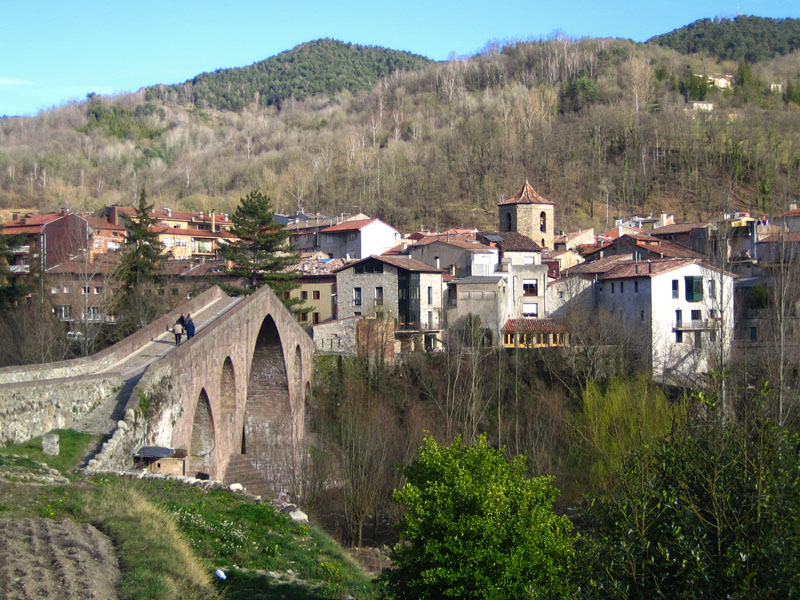
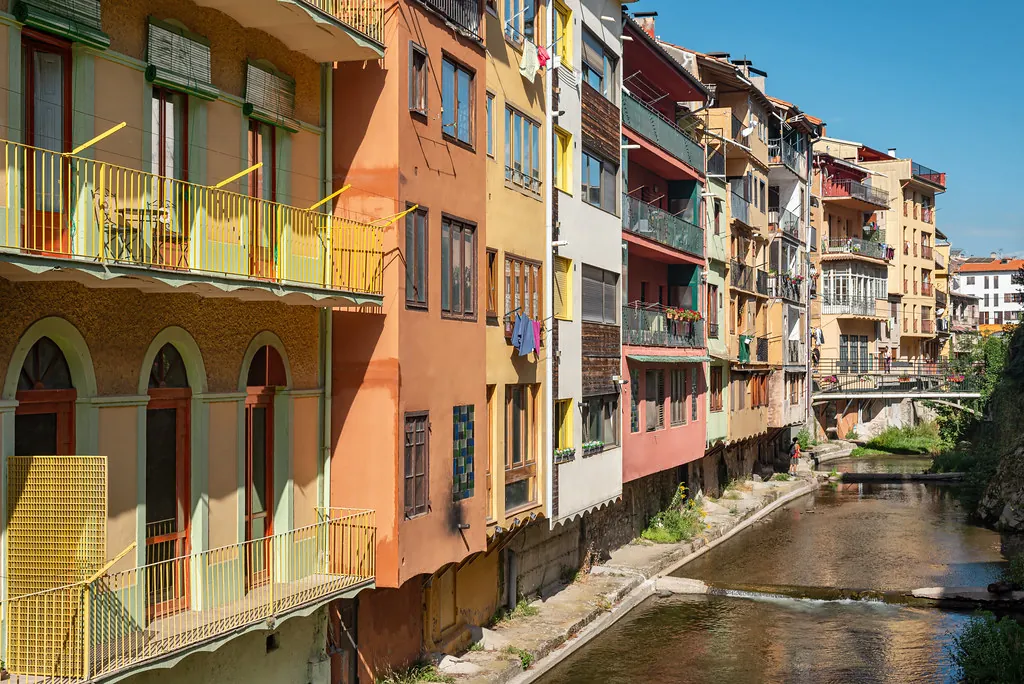
The Freser river is a constant presence. Its sound carries through much of the town, especially after heavy rain or during the thaw, when the current runs fast and loud. Several bridges connect the two banks, some with a long history behind them. The best known is the medieval bridge near the centre. It is neither vast nor ornate, yet it has the quiet authority of a structure that has watched centuries of daily life pass across it.
Close by stands the church of Santa María. Built on Romanesque foundations and altered several times over the years, it reflects the layers of the town’s history. It is not a grand cathedral and makes no attempt to be one, but it acts as a clear reference point when finding your bearings in the urban centre.
Continue walking and you begin to notice the variety in the façades. Some houses have been restored; others still retain the solid, practical look associated with an industrial mountain town. The contrast tells part of Ribes’ story without the need for explanation.
The rack railway that shapes the rhythm
If one element defines daily life in Ribes de Freser, it is the rack railway to Vall de Núria. Operating since the early 20th century, the line links the town to the valley over a distance of around 12 kilometres, climbing significantly as it goes. Vall de Núria is a high Pyrenean valley accessible only by this railway or on foot, which explains why Ribes became its natural gateway.
The station sits next to the centre and has the feel of a traditional mountain station. When a train arrives or departs, the atmosphere shifts. Backpacks appear. In winter there are skis. People gather around the boards to check departures. Then, once the train has gone, calm settles again.
Even without taking the train up to Núria, spending a few minutes near the station helps to explain Ribes’ long-standing role as the entrance to the valley. The flow of visitors has shaped local life for more than a century.
Mountains in every direction
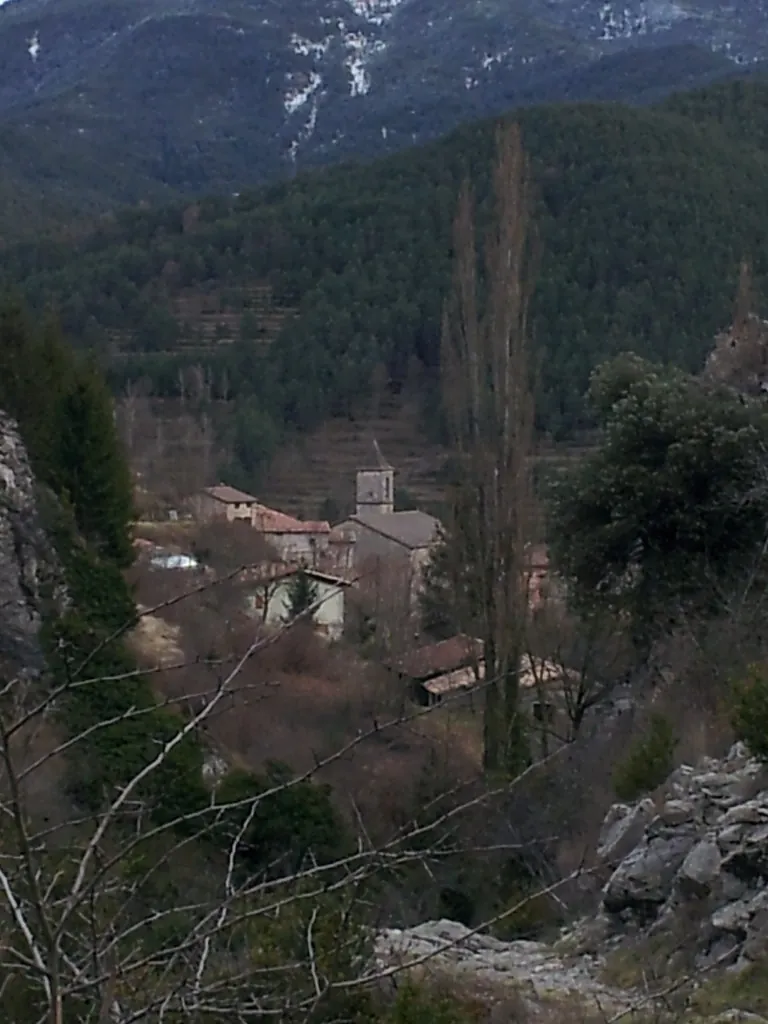
One of the strengths of Ribes de Freser is how quickly it connects you to the landscape. There is no need to drive to find mountain scenery. Leave the urban centre and within minutes you are walking among woods and along paths that climb gently away from the town.
The surroundings combine pine forests, beech trees and high meadows. The character of the landscape changes noticeably with the seasons. In autumn, woodland colours become more intense. In spring, water rushes down the streams with force as snow melts higher up.
For those looking for a more demanding outing, several established routes begin here. Taga is one of the classic peaks in the area and draws plenty of walkers. The ascent is the kind that makes you work hard and sweat, yet it involves no technical difficulty. It is a straightforward mountain climb in the Pyrenean style, rewarding in its simplicity.
A practical base in the Ripollès
Ribes de Freser works well as a base for exploring this part of the Pyrenees. From here, various valleys and mountain areas of the Ripollès are within relatively easy reach. The town’s position at a natural crossroads has long made it convenient for moving between different parts of the region.
In winter, many people choose to stay in Ribes and travel onwards to nearby ski areas. During the busy season it is wise to set off early if travelling by car, as access roads can fill up quickly. The pattern of the day often revolves around mountain plans and the timetable of the rack railway.
Summer brings a different feel. Walkers set out on foot. Families head up to Núria for the day. Others simply stroll through the valley, taking advantage of the open paths and fresh air. The pace remains measured, even when visitor numbers rise.
More than a tourist stop
One of the most noticeable aspects of Ribes de Freser is that it does not seem to exist solely for outsiders. There is local life here: neighbours going about their routines, schools, everyday shops. The atmosphere is that of a lived-in town rather than a place arranged for photographs.
The food reflects its mountain setting. Cooking in the area tends towards hearty dishes suited to colder weather and physical work. When mushroom season arrives, they appear in many kitchens. Cured meats are common, and recipes passed down through generations continue to be prepared in family homes.
Is Ribes de Freser worth stopping for? If you are heading to Vall de Núria or travelling through the Ripollès, the answer is yes. It does not demand an entire weekend. A relaxed walk, time spent listening to the Freser river and a moment to look up at the surrounding mountains are usually enough to grasp what this town is about.