Full Article
about Setcases
High-mountain tourist village; gateway to the Vallter 2000 ski resort
Hide article Read full article
A Valley Wakes in the Cold
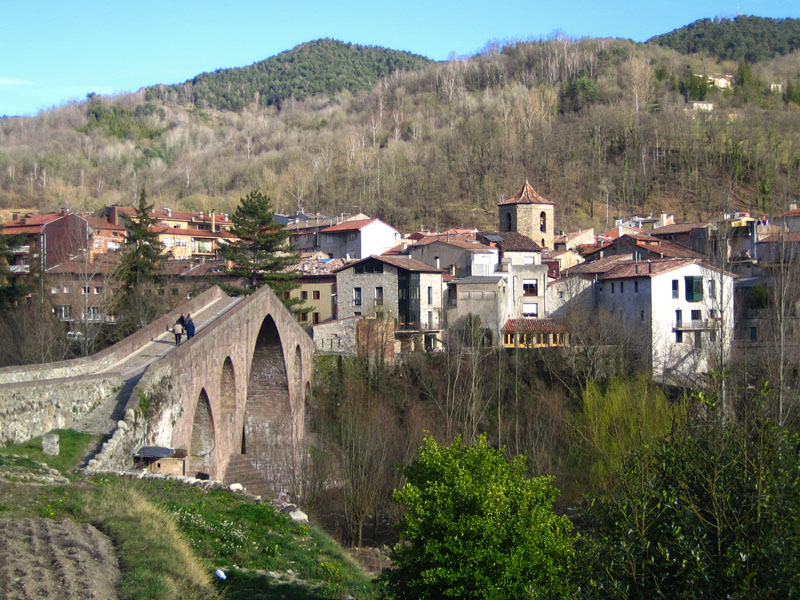
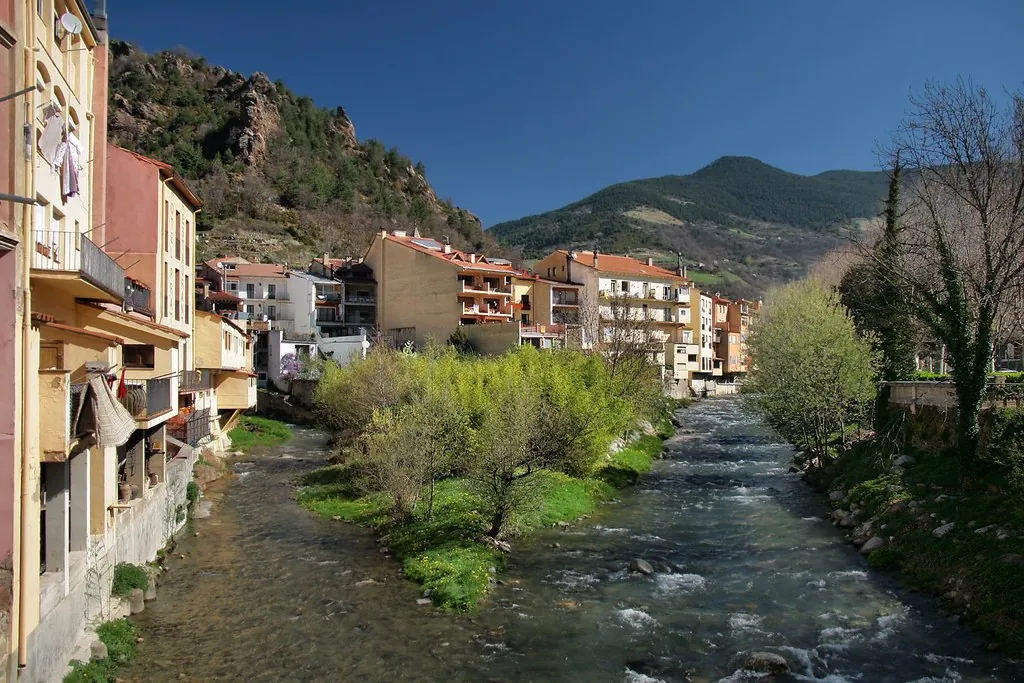
Early in the morning, when the sun barely clears the slopes, cold air slips through every gap in Setcases. The village is still half asleep and the dominant sound is water hurrying down the Vilallonga stream. From the entrance to the valley, stone houses with slate roofs cluster along the roadside as if seeking shelter from the mountains around them.
Setcases lies in the comarca of Ripollès, in Catalonia, at 1,265 metres above sea level. The altitude is not an abstract figure. Even in summer, the shade can feel distinctly cool. Around the village rise some of the highest peaks in the eastern Pyrenees. In winter, many mornings begin with snow covering the slopes, and Setcases sits between white and grey walls of rock and ice.
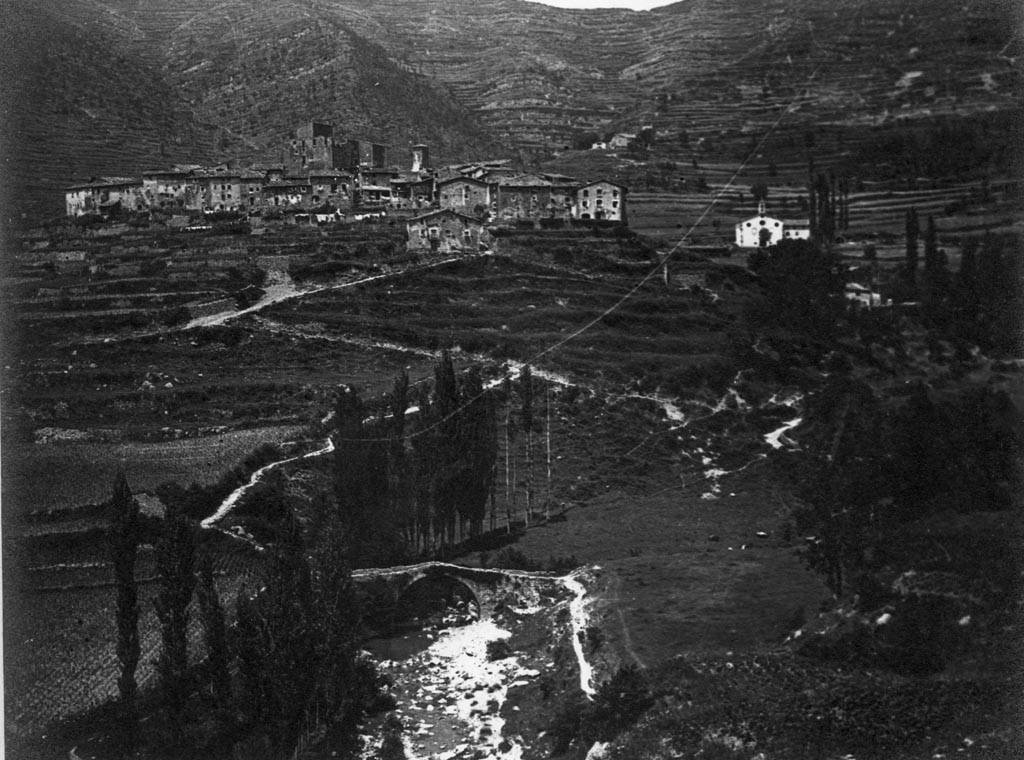
Locals repeat a simple explanation for the name: it refers to the seven houses that formed the first stable settlement here, although human presence in the valley predates that nucleus. For generations, life revolved around livestock, timber and high mountain pastures. Tourism now plays an important role, yet traces of that older rhythm remain. Small vegetable plots are still tended. Stacks of firewood lean against façades. Tractors move slowly along the main street.
The road up from Camprodon winds through meadows and pine woods. In autumn the valley turns more golden, and late in the day the contrast with the darker peaks becomes pronounced. The ascent calls for patience. Some stretches are narrow, and there are bends where two cars pass with little room to spare.
Around Sant Miquel
At the centre of the village stands the church of Sant Miquel. Its bell tower is visible from almost anywhere in Setcases and helps orientate anyone walking the streets. The building dates back to the Romanesque period, though later alterations, especially in the eighteenth century, changed parts of its appearance. Even so, it retains the solidity associated with mountain churches: thick walls, irregular stone and a doorway built to withstand long winters.
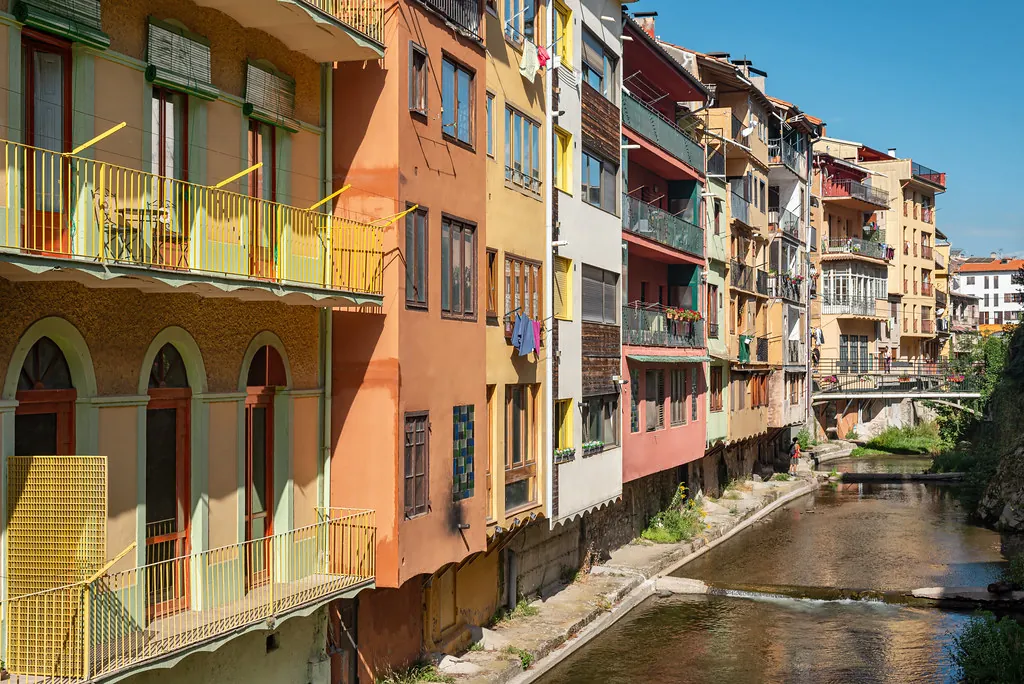
The houses follow a similar pattern. Dark stone walls, wooden balconies and small windows help keep warmth inside when the north wind blows. A slow walk without a fixed route reveals everyday details: washing hanging out to dry, neatly stacked logs beneath a lean-to, cats stretched out on steps when the sun gains strength.
Just beyond the last houses, the landscape opens quickly. To the north rises Bastiments, which exceeds 2,800 metres and dominates the entire valley. To the west stands Costabona, rounder in shape and forming a natural border with France. From some of the nearby meadows, the line of the ridge is clearly visible on bright days.
The Vilallonga stream runs through Setcases with clear, cold water even in high summer. In spring it flows more forcefully as snow melts higher up, and the sound of water can be heard from almost every street. There are corners where people sit on rocks and dip their feet when the heat intensifies in July or August.
Routes Towards Ull de Ter and Bastiments
Setcases is often used as a starting point for routes in the eastern Pyrenees. Paths head up the valley towards Ull de Ter, where the River Ter rises in a glacial cirque surrounded by peaks. It is not a short outing. An early start, enough water and close attention to the weather forecast are sensible precautions, as conditions in the mountains can shift quickly and the wind changes without much warning.
The ascent of Bastiments is another regular objective. Higher up, the terrain becomes stony and exposed. On clear days the summit offers views across much of the eastern Pyrenees and, when the air is particularly clean, even as far as the Mediterranean. It is not a walk to improvise lightly.
In winter, many visitors base themselves in Setcases to reach the Vallter ski station a few kilometres further up the valley. When snow falls or strong winds blow, the road can become more difficult. Some mornings begin with icy patches, so extra time and a well-prepared vehicle are advisable.
Local cooking remains closely tied to the mountain climate. Hearty dishes appear frequently on tables when the cold sets in. Trinxat, a traditional combination of cabbage and potato, is common, as are grilled meats and cured sausages from the Ripollès area. After several hours walking in the valley, this kind of food feels entirely in keeping with the surroundings.
When Sant Miquel Brings the Crowd
The main festival, dedicated to Sant Miquel, usually takes place towards the end of September. During those days the rhythm shifts. Families who own houses in the valley return, more voices echo through the streets, and at night the village is less silent than it is for much of the year.
Outside these dates, Setcases maintains a steady calm. On weekdays, particularly in autumn or at the start of spring, it is possible to walk through the village and encounter barely anyone apart from a neighbour or hikers passing through on their way into the mountains.
What tends to linger in the memory is the constant sound of water and the way the light changes as the day unfolds. In the afternoon, when the sun drops behind the peaks, the stone façades darken and the air cools quickly. The valley grows quieter again, and the presence of the mountains feels closer.