Full Article
about Toses
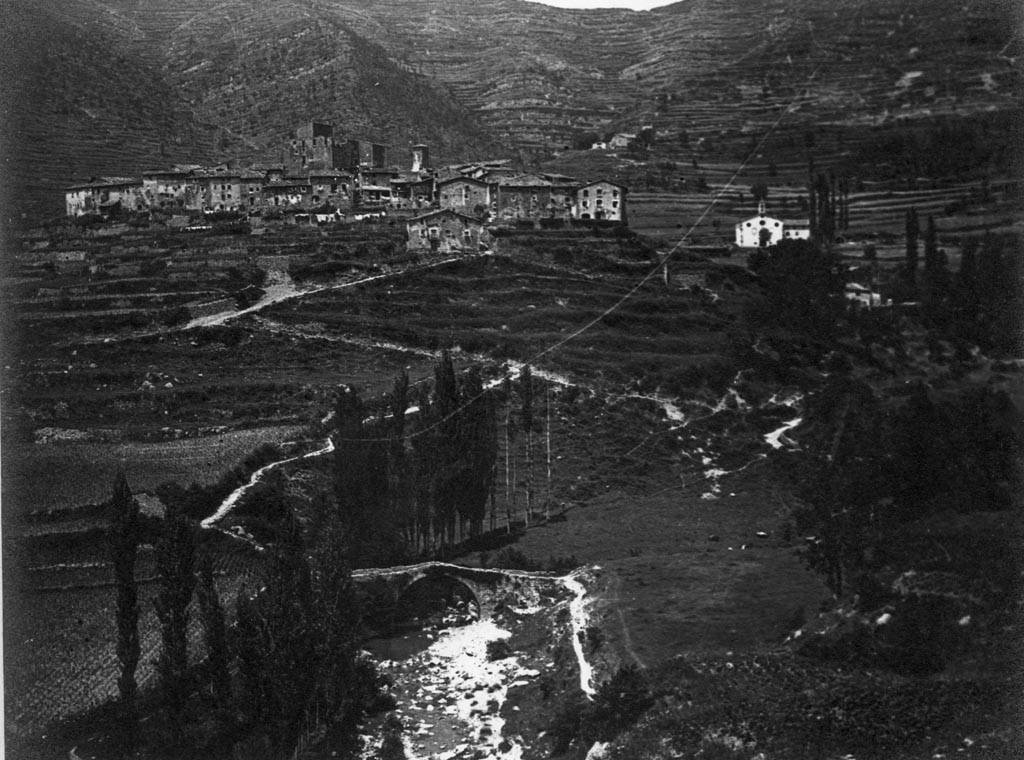
High-mountain municipality with terraced villages and beautiful Romanesque churches.
Ocultar artículo Leer artículo completo
The 08:17 from Barcelona reaches Toses station at 10:42, but the village itself is still three kilometres above your head. Passengers in ski boots shuffle onto the platform, look at the gradient, and immediately phone their hotels. Everyone else starts walking. The road zigzags through black-pine forest; the air thins; cows watch without much interest. By the time stone roofs appear you have gained 250 metres and lost every bar of phone signal. That is the first lesson of Toses: arrival is never accidental.
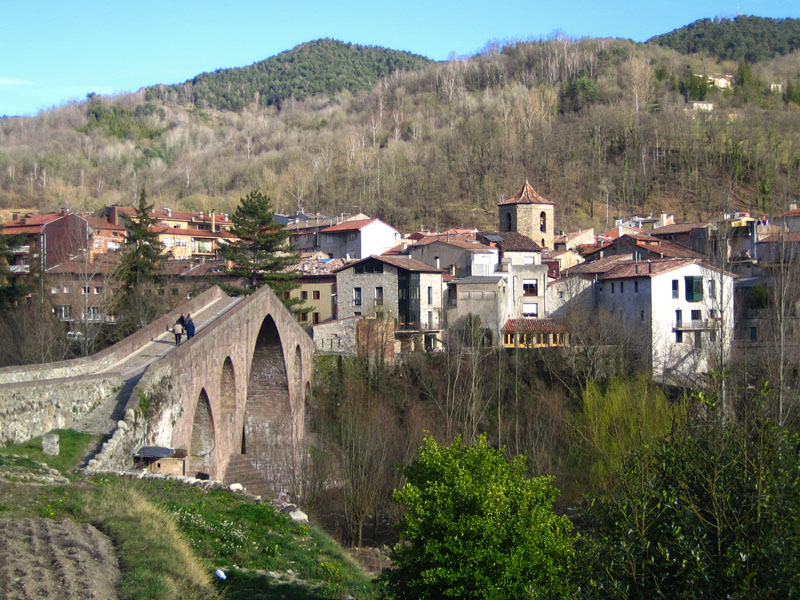
At 1,444 metres this is the highest parish in Ripollès, a handful of slate roofs wedged between the C-17 and the French frontier. Winter arrives in October and lingers until Easter; summer is a six-week concession when the paddocks turn almost English-green. The permanent population is 189, plus two donkeys and a border collie who answers to either “Niu” or “Git” depending on which farmer is shouting. Nobody passes through on the way to anywhere larger; the through-road dead-ends at a farm gate 4 km further on. Consequently Toses has none of the seasonal theatre that afflicts prettier Pyrenean settlements: no craft shops, no guided tours, no artisanal ice cream. What it does have is altitude, silence and a working bell that still marks the quarters.
Stone, Snow and Silence
Houses here are built for weather, not for display. Walls are a metre thick, shutters are oak, balconies are deep enough to stack a winter’s worth of logs. The older cottages keep their wood-store underneath the kitchen so the fire does not have to compete with snowdrifts. Walking the single lane that counts as a centre takes seven minutes; doing it twice earns you a nod from the woman sweeping leaves outside Cal Francès. The church of Sant Cristòfol stands at the top of this lane, a barrel-roofed eleventh-century rectangle enlarged whenever the population briefly rose. Inside, the only colour is from a faded banner thanking the Virgin for the 1973 avalanche that stopped fifty metres short of the east wall.
Beyond the last houses a farm track becomes the GR11 long-distance footpath. Follow it east and you reach the ruined ermita of Sant Martí de Nevà after two hours; turn west and you can walk to the Atlantic in six weeks, though most people stop at the bar in Planoles for a beer. The loop to Nevà is the standard day walk: 12 km, 550 metres of ascent, views across the Cerdanya basin that on a clear day include a sliver of France. Start early—afternoon storms build over Puigmal without warning and the descent path turns into a sluice of scree and rainwater.
Snow cover usually begins between Hallowe’en and the first weekend of December. The council grades one 8-kilometre circuit for cross-country skiers and marks another three routes with pink poles for snow-shoers. Equipment can be rented at the petrol station in Ribes de Freser, fifteen kilometres down the hill; if you arrive by train the owner will leave kit on the platform if you ring ahead and speak slowly. For downhill skiing La Molina and Masella are twenty-five minutes away by car, cheaper and higher than the more famous resorts nearer Andorra. British families who have discovered Toses book the same stone cottages each February: five bedrooms, no neighbours, entire week for the price of two nights in a ski hotel. The catch is the final stretch of road: shaded, untreated and signed “Cadenas aconsellables” from November to April. Hire cars with summer tyres have to be pushed the last fifty metres more often than anyone admits.
What Passes for Gastronomy
There are two places to eat. Bar Cal Francès opens only for lunch, cash only, menu written in felt-tip on a paper bag. Thursday is escudella day: a stew thick enough to stand a spoon in, tasting of beef bone and winter vegetables, served with a side dish of chickpeas because the locals prefer their pulses separate. Trinxat—cabbage, potato and streaky bacon flattened into a cake—arrives sizzling in the same cast-iron pan it was fried in. The only dessert is sucamulles, literally “soak-the-biscuits”: yesterday’s bread revived with sweet Moscatell and enough cinnamon to make an English nursery pudding. Vegetarians get a potato omelette and a shrug; vegans are advised to bring a packed lunch.
The second option is to book dinner at La Farga de Bebié, an old forge three kilometres down the valley now run as a restaurant-hotel by a couple from Manchester who retired early and forgot to stop working. They serve local trout pink as Exmoor salmon, and a wine list that begins in Penedès and ends in the Priorat. Booking is essential because they shop once a week and close when the fridge is empty. If the track freezes they will send a 4×4 to collect you; if you walk they meet you at the door with a blanket and a shot of ratafia, a herbal liqueur that tastes like liquid Christmas.
When to Come, When to Stay Away
May is the secret month. Snow still caps Puigmal but the meadows are striped with buttercups and the temperature climbs to 18 °C by eleven o’clock. Spanish school parties have not yet started their end-of-term expeditions, so you get stone cottages for £70 a night and footpaths to yourself. The village fountain runs drinkable water; wild thyme smells like a Provencal market after rain. Bring a light fleece for the evening and expect to hear nightjars rather than nightclub beats.
August belongs to the locals. The fiesta mayor begins on the nearest weekend to the fifteenth; population swells to 600, football is played in the paddock, and a brass band from Ripoll attempts the theme from Game of Thrones at two in the morning. Visitors are welcome but beds are block-booked by returning grandchildren. If you do come, accept that siesta time is enforced by volume rather than custom: drums echo off the valley walls until the sun hits the yardarm.
November and March are the empty quarters. Roads ice over, the bar closes on Mondays, and the baker visits every other day. These weeks suit travellers who measure holiday success in books read and logs burned. One Yorkshire couple rents the same end-of-terrace for the entire month of March; they bring frozen casseroles, three pairs of walking boots and a policy of not speaking until the kettle boils. They claim the silence is “better than moorland, because the mountains hold it in”.
Leaving Again
Check-out is simple: strip the beds, leave the key under the stone shaped like a tortoise, walk downhill to the station. The 16:17 back to Barcelona is often delayed by freight from the cement plant at Guardiola, so stand on the sunnier platform and watch red kites circle above the valley. Mobile signal returns just as the train arrives; by the time you reach the suburbs the Pyrenees have flattened into a grey stripe on the horizon. Toses does not do souvenirs. What you take away is the memory of a place where the loudest sound at night is snow slipping off a slate roof, and where the day’s biggest decision is whether to walk to the ruined church before or after lunch.