Full Article
about Artesa de Lleida
Agricultural municipality on the Lleida plain; it has an interesting local archaeological museum.
Ocultar artículo Leer artículo completo
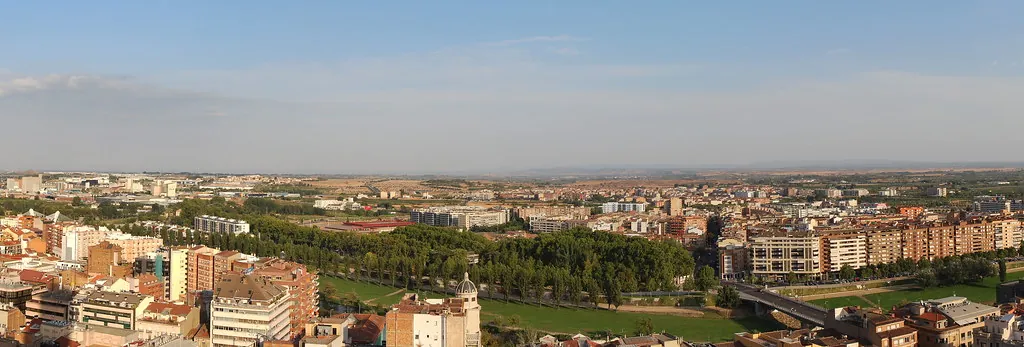
The wheat fields surrounding Artesa de Lleida don't whisper. They rustle, loudly, when the afternoon wind picks up across the Segrià plain. At 200 metres above sea level, this agricultural centre sits exposed to every weather system rolling in from the Pre-Pyrenees, creating skies that shift from brilliant cobalt to bruised purple within minutes. British visitors expecting the sheltered microclimates of coastal Catalonia should pack layers—Artesa experiences proper continental seasons, with summer temperatures regularly topping 35°C and winter mornings that can drop below freezing.
The Reality of Rural Life
Artesa's 5,000 residents maintain a relationship with their land that's refreshingly unromantic. Tractors dominate the roads during planting and harvest seasons, creating temporary traffic jams that would baffle city drivers. The morning parade of agricultural machinery starts early—often before six—as farmers head to fields that stretch uninterrupted to the horizon. This isn't a village that has gentrified its agricultural heritage into weekend farmers' markets. The cooperative still handles grain storage, the local bars open at 6am for workers, and conversations centre on rainfall levels and crop prices rather than property values.
The village structure follows a pragmatic grid that evolved from medieval origins, with the parish church tower serving as the only real landmark visible from approach roads. Unlike the manicured historic centres found elsewhere, Artesa's urban fabric shows its age honestly—render peels from 1960s apartment blocks alongside centuries-old stone facades, while modern aluminium shutters replace traditional wooden ones as budgets allow. This architectural honesty extends to the main square, where concrete benches from the 1980s sit beneath mature plane trees, providing shade for afternoon card games.
Walking the streets reveals a community that functions for residents rather than visitors. The bakery opens at 7am and sells out of ensaïmadas by 9am. The single pharmacy closes for lunch between 2pm and 4pm, following rhythms established long before tourism reached inland Catalonia. British travellers accustomed to 24-hour convenience might find the schedule restrictive, but it reflects genuine village life rather than performative tradition.
Beyond the Concrete Expectations
The parish church, while architecturally significant, operates on its own timetable. Visitors can't assume constant access—morning services, afternoon weddings, and local funerals take precedence over tourism. When open, the interior reveals layers of renovation spanning five centuries, from Romanesque foundations through Baroque additions to twentieth-century repairs funded by agricultural prosperity. The lack of multilingual information panels actually enhances the experience, encouraging observation over education.
Artesa's surrounding landscape offers flat walking that suits British ramblers seeking gentle exercise rather than mountain challenges. The GR-99 long-distance path passes nearby, following the Segre river valley towards Lleida city, 25 kilometres south. Local tracks create shorter circuits through wheat fields and fruit orchards, though these require confidence in navigation—waymarking follows Spanish conventions that assume walkers can read landscape rather than signs. Summer walkers should carry substantial water; the continental climate creates dehydration risks that catch out visitors expecting European gentleness.
Cycling presents better options than walking for exploring the agricultural hinterland. The flat terrain and minimal traffic on secondary roads create ideal conditions for family cycling, though agricultural vehicles demand respect during busy periods. Rental bikes aren't available locally—visitors need to arrange transport from Lleida or bring their own. The village garage can handle basic repairs but stocks limited spares; British cyclists should carry essential tools and puncture repair kits.
Food Without the Performance
Local gastronomy reflects agricultural reality rather than tourist expectations. Restaurant menus change with crop cycles—calçots appear in late winter, asparagus dominates spring plates, and summer brings tomato-based dishes that celebrate varieties grown in nearby market gardens. The fixation on snails, a Lleida regional speciality, puzzles many British visitors, but the local preparation involves hours of herb-infused stock that transforms the familiar garden pest into something approaching comfort food.
Prices remain reasonable because venues serve workers rather than visitors. A three-course lunch menu costs €12-15, including wine, but arrives without ceremony—paper tablecloths, functional service, and portions designed for physical labourers rather than sedentary tourists. The best restaurant in village terms isn't necessarily the one with Michelin recognition (though one exists on the outskirts) but the bar where farmers gather at 10am for coffee and cognac after completing morning tasks.
British visitors should adjust timing expectations. Kitchens close at 4pm sharp and don't reopen until 8pm at earliest. Attempting to eat at 6pm results in blank stares and closed doors. Sunday lunches extend until 5pm, with families treating the meal as the week's social highlight rather than a prelude to afternoon activities.
Practical Realities
Reaching Artesa requires accepting Spain's regional transport limitations. The village sits 25 kilometres from Lleida, but public connections run only three times daily on weekdays, once on Saturday, with no Sunday service. Hiring cars from Lleida provides flexibility— the journey takes 25 minutes on the A-2 motorway followed by local roads that test British drivers' narrow-lane confidence. Parking within the village follows unwritten rules—locals park anywhere that doesn't block agricultural access, while visitors worry about regulations that don't actually exist.
Accommodation options remain limited. The converted farmhouse Finca Taques offers rural luxury at €120-150 nightly, including breakfast featuring local produce. Alternative options involve staying in Lleida city and visiting Artesa as a day trip, though this misses the early morning and late evening atmosphere that defines village life. Camping isn't permitted locally, and the nearest sites sit 15 kilometres away beside the Segre river.
Weather catches out British visitors expecting Mediterranean consistency. Spring brings dramatic thunderstorms that flood streets within minutes—pack waterproofs even during apparently settled weather. Summer heat builds from May through September, with afternoon temperatures making walking unpleasant between 1pm and 5pm. Autumn provides the most comfortable conditions, though harvest activity increases agricultural traffic. Winter brings crisp, clear days but requires warm clothing, particularly for evening activities when temperatures drop rapidly after sunset.
The village fiesta in late August transforms Artesa completely, with population doubling as former residents return. British visitors during this period experience authentic community celebration rather than tourist festival—events assume local knowledge, speeches occur in Catalan, and participation requires confidence rather than invitation. Those seeking quiet village life should avoid this week; those wanting genuine cultural immersion couldn't time their visit better.