Full Article
about Corbins
Fruit-growing village on the Noguera Ribagorçana; riverside park and Roman remains
Hide article Read full article
A village where time follows the harvest
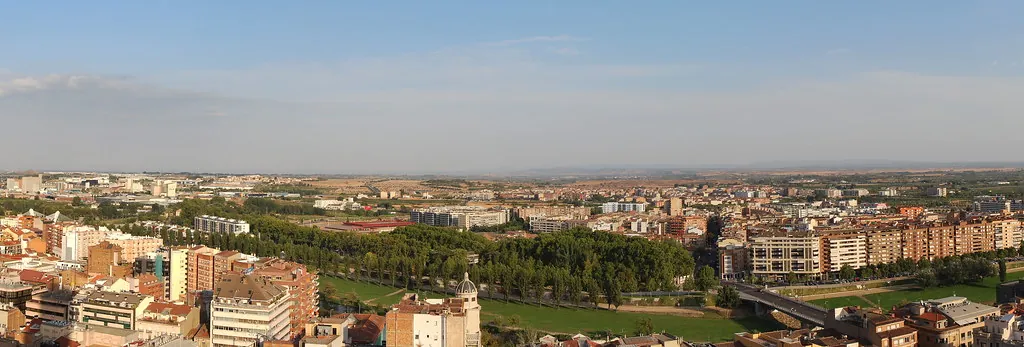
Some places behave like that quiet neighbour on the edge of town. No noise, no show, just a steady presence. Tourism in Corbins works much the same way. A short drive from Lleida is all it takes for the pace to shift. Fields stretch out, irrigation channels run alongside the roads, tractors pass slowly, and a village of around fifteen hundred people keeps time in tune with the crops.
Corbins is not about grand landmarks or streets designed for constant photo stops. It is the sort of place where you wander without a plan, take in the look of the houses, and notice the weekday silence. It becomes clear quite quickly that life here has always revolved around agriculture. Lleida is close enough to shape daily routines, with people coming and going, yet the surroundings remain firmly rooted in orchard land and irrigated fields.
Built form and rural character
The parish church of Sant Pere stands out as the most recognisable feature on arrival in the centre. It follows the understated style common to many rural Catalan churches, with stone walls, simple lines and a bell tower that defines the skyline. It does not demand attention, but it helps explain where community life has gathered over generations.
The village centre can be covered in a short walk. Streets tend to be fairly straight, lined with stone and brick houses. Many have large doorways, a reminder that homes often doubled as places of work. A closer look reveals inner courtyards, former storage spaces that have been repurposed, and façades where newer updates sit alongside much older walls.
Beyond the built-up area, the defining landscape of the Segrià region opens up. Agricultural plots, fruit trees and wide fields are linked by dirt tracks and irrigation channels. The horizon feels unusually broad here, a characteristic feature of this part of Lleida.
Nearby, sections of the Canal d'Urgell and its network of acequias come into view. These irrigation channels may not stand out as monuments, yet walking beside them quickly shows how much they changed farming across the region. Water management is not just background detail here, it shapes everything around it.
Moving through fields and water
There are no mountain routes or extensive marked trails, but there is no shortage of rural paths for walking or cycling. Most are flat, making it easy to cover distance without worrying about steep climbs. In summer, the sun can be intense and shade is limited, so preparation matters more than the route itself.
For those who pay attention to small details, the fields and irrigation channels hold more activity than first impressions suggest. Small birds move through the crops, herons appear near the water, and insects fill the quieter spaces between rows of plants. It is not a protected natural area, but there is always something to observe if you slow down.
A visit to Corbins is often combined with time in Lleida, just a few minutes away by car. Many people pair a walk through the village or along its agricultural tracks with a visit to the Seu Vella, the historic cathedral that overlooks the city, or other cultural stops nearby. The contrast between the two settings is part of the appeal.
Food in the Segrià region leans heavily on local produce. Seasonal fruit, olive oil from cooperatives and cured meats are common, with cooking that keeps things straightforward. In spring, as in much of the province, snails are a regular feature on the table, prepared in different ways depending on the household.
Traditions shaped by the community
Festivities in Corbins keep a distinctly local feel. The main celebration, the festa major in August, brings a few days of activity with giants, music and events that fill the streets. Rather than being designed for visitors, it reflects the rhythms of the people who live here.
In January, celebrations linked to Sant Antoni are also part of the calendar. These often include blessings of animals and bonfires where neighbours gather in the evening. Traditions like these continue because residents take part, not because they are packaged for tourism.
Corbins does not try to draw attention from afar. It offers a clear example of how many villages in the Segrià function: quiet, agricultural and closely tied to a nearby city, yet still grounded in a way of life shaped by the land. A short visit is enough to understand that rhythm, and sometimes that is all that is needed.