Full Article
about Els Alamús
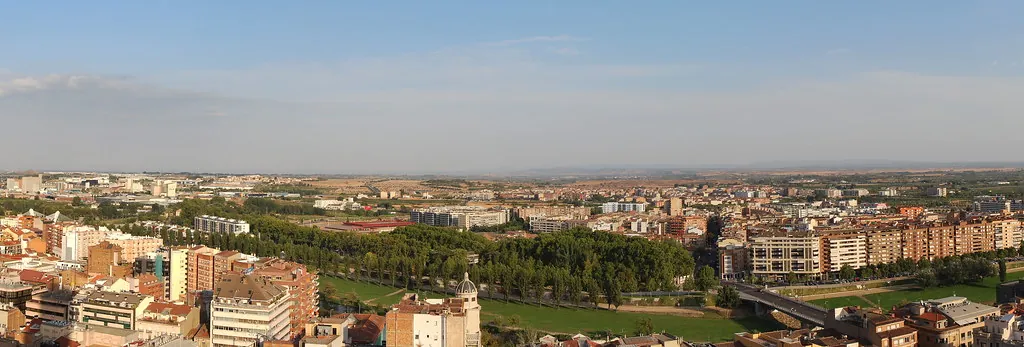
A small farming settlement on a rise above the plain; it gives sweeping views over the comarca.
Ocultar artículo Leer artículo completo
The church bells ring at noon, and the entire village seems to pause. Men in dusty work boots emerge from the agricultural warehouses, women carrying shopping bags stop mid-conversation, and the few visitors look up from their café con leche. For sixty seconds, Els Alamús holds its breath as the bronze bells mark time they've kept for over eight centuries.
At 212 metres above sea level on Catalonia's vast Segrià plain, this agricultural village of 794 souls exists in deliberate defiance of Spain's costa tourism machine. There's no beach, no medieval castle, no Michelin-starred restaurant—just mile after mile of fruit orchards, irrigation canals, and a community whose daily rhythm follows the agricultural calendar with Swiss precision.
The Name Behind the Trees
Els Alamús never had alamos—those stately poplars that gave the village its name. The trees that once lined the banks of nearby streams disappeared centuries ago, replaced by the regimented rows of peach, nectarine and pear trees that now define the landscape. The name stuck anyway, a linguistic fossil reminding visitors that places remember their past even when the evidence vanishes.
The village sits fifteen kilometres northeast of Lleida, close enough for commuters yet far enough to maintain its agricultural identity. Drive here in April and you'll witness a natural spectacle: thousands of fruit trees erupt in coordinated bloom, transforming the plain into a chessboard of white and pink blossoms. Come August, the same trees burden local markets with perfectly imperfect fruit—peaches that drip juice down your chin, nectarines with sun-warmed sweetness that makes supermarket versions taste like cardboard.
Morning Rituals and Market Days
Start early. By seven o'clock, the Bar Central fills with farmers discussing irrigation schedules over thick coffee. The bread van arrives at eight, its horn announcing fresh baguettes and croissants to those who forgot to order the previous evening. By nine, most villagers have disappeared into the fields, leaving only retirees and the occasional lost tourist wandering the grid of narrow streets.
The weekly market happens on Fridays, though calling it a market stretches the definition. Three stalls set up in the small plaza: one selling cheap clothing, another with seasonal vegetables, and always—always—the old woman with her herbs and home remedies. She's been there for thirty years, her prices written on cardboard that yellows in the sun. Locals arrive precisely at eleven, when they know she'll be packing up and selling her remaining stock at half-price.
The church of Sant Miquel dominates the plaza, its modest baroque façade belying its role as the village's social anchor. Sunday mass still matters here, less for religious devotion than for community maintenance. After services, groups form spontaneously—old friends discussing last night's football, mothers comparing children's exam results, teenagers circling on bicycles while pretending not to notice each other.
Working the Land
Understanding Els Alamús means understanding its relationship with the earth. The Segrià region transformed dramatically during the twentieth century, when massive irrigation projects diverted water from the Segre River. What was once semi-arid scrubland became one of Europe's most productive fruit-growing regions. The change brought prosperity but also vulnerability—every tree depends on carefully managed water rights that date back generations.
Walk the agricultural tracks that radiate from the village centre and you'll see this relationship up close. Modern drip irrigation systems snake through orchards like technological vines. Farmers check their phones for weather data while examining fruit with hands that know every variety by touch. These aren't romantic peasants tending family plots—they're agricultural businesspeople managing sophisticated operations, negotiating with European buyers, and worrying about Chinese competition.
Yet tradition persists in surprising ways. Many families still press their own olive oil at the cooperative mill. Grandmothers teach grandchildren to identify the best wild asparagus growing along irrigation ditches. During harvest season, entire families work together, grandparents driving tractors while teenagers stack fruit boxes, forming production lines that would impress Amazon warehouse managers.
Beyond the Expected
Visit in late September for the Festa Major, when the village explodes into three days of controlled chaos. The plaza fills with inflatable rides that arrive on trucks at dawn. Teenagers stay awake for thirty-six hours, moving between the disco tent and improvised bars serving sangria from plastic barrels. On Sunday morning, the local brass band parades through streets still littered with the previous night's debris, somehow making hungover heads feel patriotic rather than nauseous.
The village's best restaurant, Can Xisquet, opens only for lunch and requires advance booking. Don't expect molecular gastronomy—this is traditional Catalan cooking that would make a French grandmother jealous. Try the escudella, a hearty stew that demonstrates why agricultural workers needed serious calories. The wine list features local cooperatives rather than Rioja giants, offering bottles that cost less than London's cheapest pub wine yet taste like they should cost three times more.
Winter brings different challenges. The plain turns bleak under grey skies, and the Tramontana wind whips through streets with vindictive force. Many shops reduce their hours, some closing entirely until spring. This isn't the Catalonia of travel brochures—it's a working landscape dealing with seasonal realities that tourism brochures prefer to ignore.
Practical Realities
Getting here requires planning. The village has no train station—the closest sits in Lleida, served by high-speed services from Barcelona (one hour) and Zaragoza (45 minutes). From Lleida, infrequent buses cover the fifteen kilometres, though renting a car provides necessary flexibility. Accommodation options remain limited: one rural guesthouse with five rooms, plus a handful of Airbnb properties that book quickly during blossom season.
The village supports two small supermarkets, a pharmacy, two bars, and a bakery that closes at two each afternoon. Don't arrive expecting nightlife beyond the bars showing football matches. Mobile phone coverage can be patchy in the surrounding orchards. The nearest cash machine sits seven kilometres away in the next village—plan accordingly.
Els Alamús won't change your life. It offers no Instagram moments beyond the blossom season, no adrenaline activities, no cultural revelations. What it provides instead is something increasingly rare: an authentic glimpse of rural Catalonia continuing exactly as it has for generations, adapting to modernity while maintaining its essential character. In an age where every village claims uniqueness, Els Alamús achieves it simply by refusing to pretend it's anything other than what it always was—a small agricultural community that happens to welcome visitors, provided they don't mind waking up early and getting their shoes dusty.