Full Article
about La Granja d'Escarp
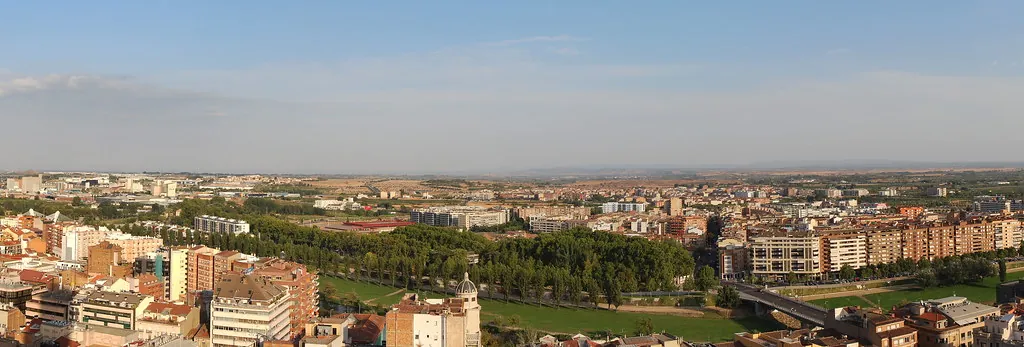
Where the Segre meets the Cinca; irrigated fields and fruit trees along the rivers.
Ocultar artículo Leer artículo completo
The Hidden Confluence That'll Blow Your Mind
Forget the tourist-choked Pyrenees for a moment. Deep in Catalonia's agricultural heartland, where the mighty Segre and Cinca rivers crash together in a spectacular confluence, lies one of Spain's best-kept naturalist secrets. La Granja d'Escarp might sound like a farmyard, but this tiny village of 927 souls guards access to the Aiguabarreig Segre-Cinca—a biodiversity hotspot that'll have you questioning why you've been hiking the same overcrowded peaks year after year.
At just 255 feet above sea level, this isn't about conquering summits. It's about witnessing nature's raw engineering where two powerful rivers merge, creating wetlands so pristine that rare birds treat them like five-star accommodation. If you're the type who gets excited about spotting a purple heron through morning mist or tracking deer prints along muddy riverbanks, pack your binoculars immediately.
Where Waters Dance and Ecosystems Explode
The Aiguabarreig—Catalan for "where waters meet"—is geological drama at its finest. The Segre, having carved its way down from the Pyrenees, collides with the Cinca in a chaotic symphony of currents, creating oxbow lakes, marshlands, and gallery forests that stretch for miles along the meandering waterways.
This isn't tame countryside walking. The terrain shifts constantly from thick riparian woodland to open water meadows, muddy embankments to sandy islands that appear and disappear with seasonal floods. The warning about flash flooding isn't just bureaucratic nonsense—these rivers can transform from gentle streams to raging torrents faster than you can say "where's my waterproof gear?"
Spring transforms the entire area into an avian Grand Central Station. Migrating species use the confluence as a crucial stopover, while year-round residents include everything from kingfishers to birds of prey circling overhead. The morning chorus here rivals anything you'll hear in the Costa Brava's packed nature reserves.
The Walks That Redefine River Hiking
The Aiguabarreig Circuit (4-5 hours, moderate difficulty): Start early—seriously, dawn is your friend here. The 8-mile loop follows both riverbanks, crossing at strategic points where the waters are shallow enough (check seasonal conditions). You'll traverse dense poplar groves, emerge onto panoramic viewing points, and likely encounter more wildlife before 9am than most hikers see in a week.
Pack proper waterproof boots; this isn't pavement pounding. Sections become genuinely muddy, especially after rain, and you'll be grateful for ankle support when negotiating uneven bankside terrain. The reward? Some of Catalonia's most pristine wetland views and bird photography opportunities that'll make your Instagram followers weep with envy.
The BTT Countryside Routes vary from gentle 2-hour pedals through agricultural lanes to challenging 6-hour adventures that connect multiple river settlements. Rent quality mountain bikes in nearby Fraga (about 20 minutes' drive)—the terrain demands proper suspension and reliable brakes.
Fishing the Confluence: Both rivers offer excellent angling for carp, pike, and seasonal trout. Local permits are essential, and the best spots require insider knowledge. Stop by Bar Ca la Pepa in the village centre for fishing intel alongside your morning coffee.
Gear Up for Wetland Adventures
This isn't Snowdonia, but don't underestimate the kit requirements. Waterproof boots are non-negotiable—not just for comfort, but for safety on muddy embankments. Pack layers; river valleys create their own microclimates, often 5-10 degrees cooler than surrounding farmland.
Binoculars transform the experience from pleasant walk to wildlife expedition. A lightweight telephoto lens captures those money shots of herons fishing or raptors soaring. Water bottles need serious capacity—there's precious little shade once you're out in the confluence area, and summer temperatures easily hit 35°C (95°F) by mid-morning.
Most importantly, download offline maps. Mobile signals disappear completely in the deeper wetland areas, and the network of paths can confuse even experienced hikers when mist rolls in from the rivers.
Your Base Camp Strategy
Vila Rural de La Granja offers the only accommodation directly in the village—clean, simple rooms perfect for early-morning starts. The owners know the area's secret spots and seasonal highlights better than any guidebook.
For more options, Fraga (6 miles south) has several hotels and the region's best restaurants. The drive takes 15 minutes through rolling agricultural landscape, but having a car becomes essential—public transport to La Granja is virtually non-existent.
Essential car rental tip: Book well ahead during spring and autumn migration seasons. The nearest pickup point is Lleida (30 miles), so factor in collection time. The roads to La Granja are excellent, but exploring the best riverside access points requires navigating unmarked agricultural tracks.
Post-hike refuelling: Bar Ca la Pepa serves hearty local fare—try anything featuring produce from the surrounding market gardens. The vegetables here taste like vegetables used to taste, grown in soil enriched by centuries of river flooding. Wash it down with local wine while planning tomorrow's route.
For proper celebration dinners, drive to Fraga's Restaurante El Raco, where river fish meets Aragonese mountain cuisine in unexpectedly sophisticated combinations.
Timing Your River Adventure
Spring (March-May) delivers peak birdwatching and wildflower displays. Pack for changeable weather—morning mist, afternoon sunshine, possible evening storms. Water levels run highest, making some crossing points impassable but creating the most dramatic scenery.
Autumn (September-November) offers stable weather, comfortable temperatures, and second migration season. Fewer insects, clearer photography light, and the harvest season adds agricultural authenticity to the landscape.
Summer works for serious early-morning starts, but afternoon heat makes hiking genuinely unpleasant. Winter can be magical for hardy souls—flooded fields create temporary lakes that attract completely different bird species.
La Granja d'Escarp won't appear on any "must-see Spain" lists, and that's precisely why you should go. While everyone else queues for overcrowded national parks, you'll have some of Europe's finest wetland walking virtually to yourself. Just remember: respect the floods, pack proper gear, and prepare to discover why serious naturalists guard this secret so jealously.