

Full Article
about Lleida
Provincial capital; economic and cultural hub dominated by the imposing Seu Vella.
Ocultar artículo Leer artículo completo
The first thing that strikes you about Lleida is altitude. Not the city's modest 150-metre elevation above sea level, but the way its cathedral rises like a stone exclamation mark on the Turó de Lleida, visible from every approach. Even before the train pulls into the station, passengers crane for glimpses of the Seu Vella's octagonal bell-tower, a 13th-century lighthouse that guided merchants along the Segre valley for eight centuries.
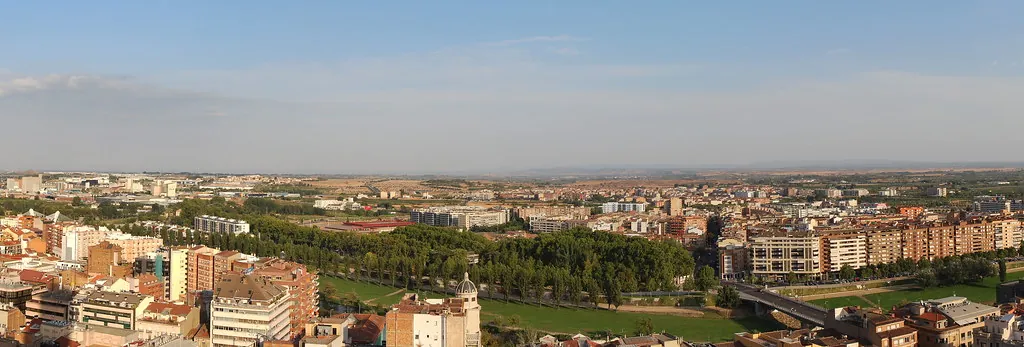
This hilltop presence shapes everything. Streets climb at angles that test calf muscles. Afternoon shadows fall early in autumn. And on summer evenings, when temperatures still hover around 35°C, locals speak of "pujar a la Seu" – going up to the cathedral – as if it were a minor pilgrimage. They're not wrong. The 300-odd steps to the tower's summit might feel punitive in midday heat, but the payoff is a 360-degree lesson in geography: the Pyrenees chalking a jagged horizon north-east; irrigation channels carving green geometry across the Segrià plain; the modern city sprawling south-west towards the high-speed rail line that links Madrid with Barcelona.
Stone, Water and Students
Lleida's 140,000 inhabitants include 12,000 university students, enough to keep café terraces busy without turning the place into a term-time theme park. Their presence explains why a city often overlooked by foreign travellers feels alive beyond its monuments. Weekday mornings see philosophy undergraduates arguing over coffee in Plaça Sant Joan while elderly residents shuffle between market stalls selling artichokes the size of cricket balls. The produce comes from the Segre's fertile floodplain, worked continuously since Iberian tribes fortified the hill above.
That continuity interests archaeologists more than tourists, which explains why the Museu de Lleida remains refreshingly calm even during Spanish school holidays. Its collection runs from bronze belt buckles to Roman mosaics to gothic altarpieces, though English speakers should grab the translation leaflet at reception – every label is Catalan-only, a reminder that you're in one of Spain's most proudly bilingual regions. Staff switch to Spanish without fuss; English requires patience and hand gestures, but the effort generally rewards.
Downhill from the museum, the river frames the city's southern edge. The Segre moves slowly here, having already wound through mountain valleys where kayakers tackle white water each spring. In Lleida it becomes an urban playground: cyclists follow shaded paths for 14 kilometres through La Mitjana nature reserve, families picnic on gravel beaches, and office workers jog at dusk when the heat finally breaks. The water's brown colour puts off swimmers – agricultural runoff upstream means visibility equals zero – but herons and kingfishers don't seem bothered.
Eating Between Two Cathedrals
Food follows the agricultural calendar with religious devotion. Winter menus feature wild boar stew thick enough to stand a spoon in; spring brings tender asparagus from nearby gardens; September pears arrive in such quantity that bakeries invent new desserts to use them up. The daily set lunch at Ca l'U, five minutes from the new cathedral, costs €14 and might include roast kid with artichoke hearts, followed by pear and almond tart. Wine comes from Costers del Segre, a denomination that covers everything from crisp whites grown at 700 metres to full-bodied reds aged in French oak.
Between courses, notice the architecture. The Seu Nova – "new" cathedral built 1761 – sits directly below its elderly sibling, its neoclassical façade designed to impress rather than defend. Inside, baroque altarpieces glow under discreet lighting while outside, elderly men play boules in the cloister garden. The contrast with the hilltop fortress couldn't be starker: where the Seu Vella feels wind-blasted and medieval, the lower cathedral embraces city life, fronting onto Plaça Sant Joan where Saturday markets sell everything from saffron to mobile-phone covers.
Modernist houses line nearby streets, though Lleida's version lacks Barcelona's flamboyance. Think sober brickwork rather than ceramic dragons. The old Hospital de Santa Maria, now council offices, shows the style at its most functional: large windows for tuberculosis patients, ironwork balconies for convalescents, and enough architectural confidence to avoid pastiche. Similar buildings cluster around Rambla de Ferran, a tree-lined avenue where teenagers gather on Friday nights and grandparents walk dogs at dawn.
When the City Parties
Timing matters. Lleida's fiesta calendar divides the year into distinct seasons. Mid-May brings Festa de Sant Anastasi, three days when the hilltop cathedral hosts falconry displays and medieval music concerts. Temperatures sit comfortably in the mid-twenties, perfect for late-night verbenas where locals dance sardanas – Catalonia's national circle dance – until police politely shut things down at 3am. October's Festa Major fills streets with giant papier-mâché figures and castellers building human towers in Plaça Paeria. Both festivals double hotel prices and fill the Parador, housed in a 17th-century convent with fortress views. Book early or stay in Mollerussa, 25 minutes away by regular bus.
August presents problems. The city's inland location turns it into a furnace – 40°C isn't unusual – and many restaurants close as residents flee to coastal second homes. Morning cathedral visits become endurance tests; even the escalators installed to help elderly pilgrims feel like industrial ovens. If summer travel's unavoidable, follow local rhythm: sightsee 8am-11am, retreat indoors until 6pm, then emerge for dinner at 9pm when streets finally cool.
Winter reverses the equation. January daytime temperatures hover around 10°C, cold enough for proper coats but warm enough to walk comfortably. The hilltop fortress empties completely; on weekdays you might share the entire cathedral complex with maintenance staff and the occasional photography student. Mountain views sharpen under clear skies, and the city's restaurant scene – geared to local budgets rather than tourist wallets – feels genuinely welcoming. A three-course dinner with wine at El Celler del Roser costs €22; the same meal in Barcelona would add ten euros and a queue.
Getting Here, Getting Round
High-speed trains from Barcelona Sants take 59 minutes on Euromed services, slower regionals add 20 minutes but cost half the price. Sit on the right for Pyrenees views north of Tarragona. From Madrid, the AVE reaches Lleida in 2 hours 14 minutes, making weekend breaks practical though Sunday evening returns book up fast with students returning from home visits.
Once here, everything clusters within walking distance. The hill presents the only serious climb; alternatively, city bus number 6 terminates outside the cathedral gates. Cycling works well – flat terrain south of the river, bike lanes along Segre embankments – though rental bikes remain scarce. Most visitors simply walk: ten minutes from station to old town, fifteen more to reach either cathedral depending on altitude gained.
English gets you further than it once did, but Catalan remains the default. Younger people switch to Spanish without hesitation; older residents might not. Download the free Lleida Audio Guide before arrival – QR codes at major sites link to English commentaries that work offline, saving both data and embarrassment.
Leave expectations of picture-postcard Spain at the station. Lleida's beauty is functional: a working city where medieval walls support satellite dishes, where students argue politics beneath gothic arches, where dinner might cost less than your London commute. It won't enchant everyone. Those seeking beach bars or flamenco should head south. But for travellers interested in how Catalans actually live – how they balance mountain heritage with Mediterranean outlook, how university energy animates ancient stone – Lleida offers something increasingly rare: a Spanish city that feels written for its residents, not its visitors.


