Full Article
about Massalcoreig
Town at the confluence of the Cinca and Segre rivers; riverside natural setting
Hide article Read full article
Mornings by the Canal
Early in the day, before the heat settles in, water moves steadily along the canal beside the fields. The sound is constant, a low murmur that blends into the background. Now and then a car passes on the nearby road and the quiet returns. This is how many days begin in Massalcoreig, a small village in the Segrià region of Catalonia where agriculture shapes the rhythm of daily life.
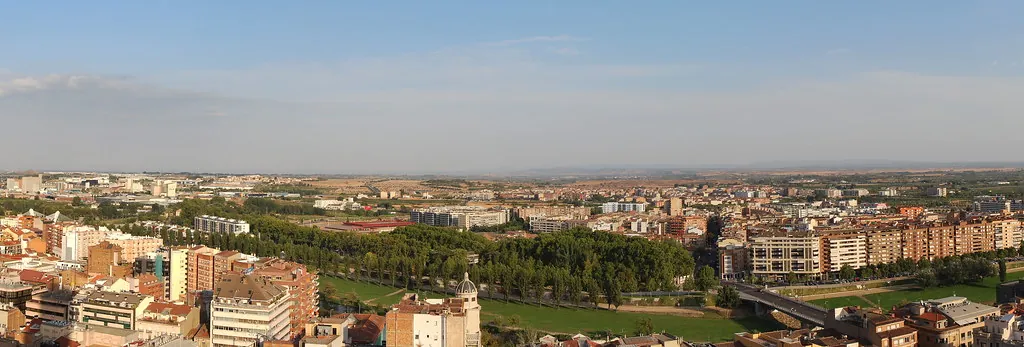
Massalcoreig has around six hundred inhabitants. It lies at the southern edge of the comarca, close to the border with Aragón. The land here is flat and open. In winter the air can feel dry and cold. In summer the heat arrives suddenly by mid-afternoon and lingers between the buildings.
Crops dominate the horizon. Olive trees and almond trees are common, with some cereal fields depending on the area. The Canal de Aragón y Cataluña crosses the municipal district, and when the water runs strongly it subtly changes the colour of the landscape, adding a fresher tone to the otherwise dry terrain.
Tourism in Massalcoreig is tied to this setting. There are no grand attractions competing for attention. The appeal lies in observing how the village and its surroundings function together.
The Plaza as the Day Begins
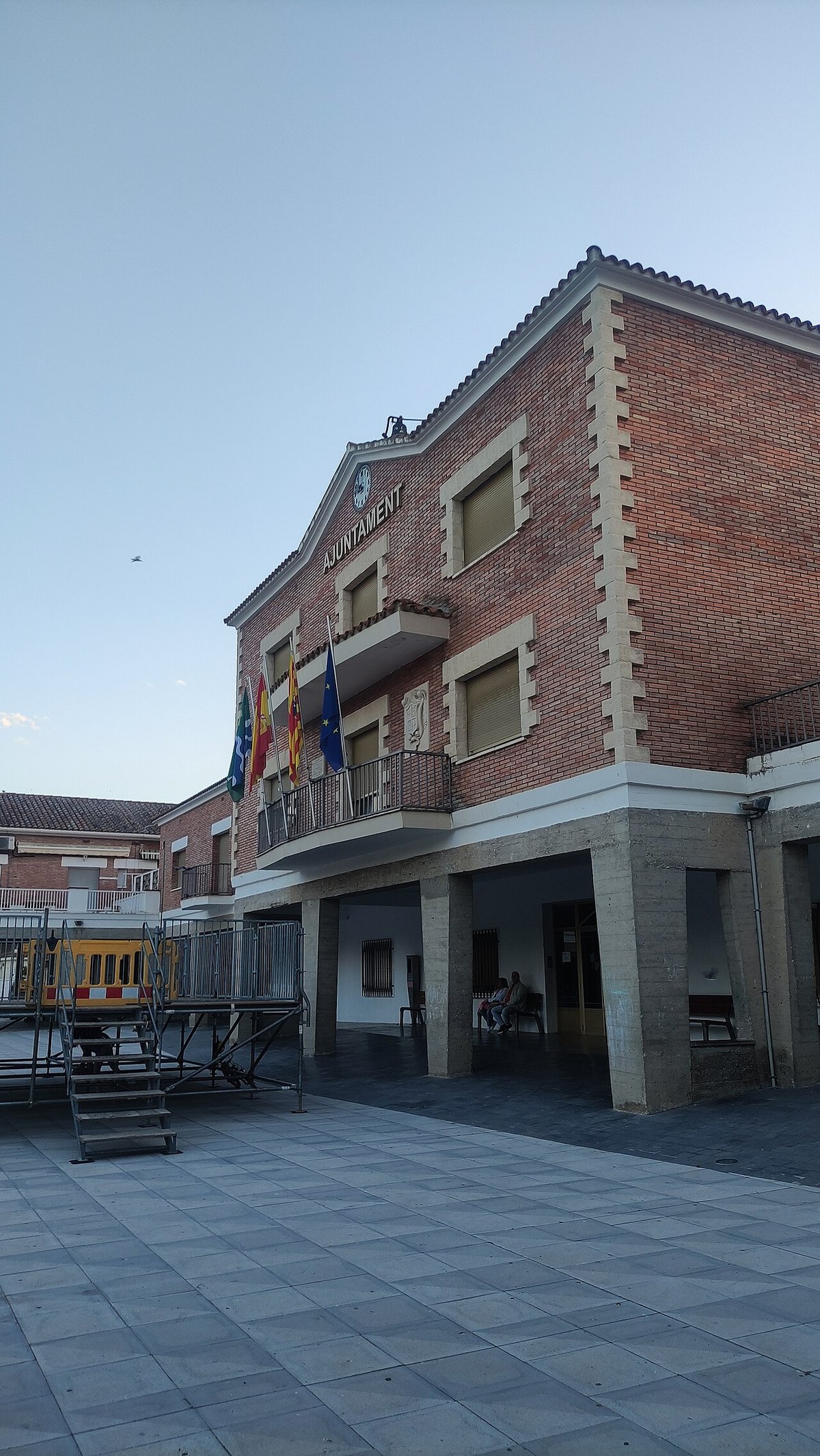
By mid-morning the main square starts to stir. Gravel crunches underfoot. A brief conversation unfolds in a doorway. A tractor engine turns over without hurry. The shade of a large tree, an old elm, stretches across part of the ground.
Massalcoreig does not have a monumental centre. The plaza acts more as a meeting point than a showpiece. Neighbours cross paths, exchange a few words about the weather or the harvest, and then continue on their way. The atmosphere is practical and unforced.
In summer it is best to pass through early in the day. After midday the heat hangs heavily between the façades and movement slows. The square remains the reference point of the village, even if nothing dramatic happens there.
Sant Jaume and the Village Streets
The clearest outline in the built-up area is the parish church of Sant Jaume. It rises in warm-toned sandstone that shifts in colour as the afternoon light changes. Like many churches in this part of Catalonia, the building has undergone several alterations over the centuries.
Inside, traces of Baroque decoration are still visible, along with fragments of much-worn wall paintings. The church is not always open. When it is, the interior holds a mix of dim light and cool air that feels particularly welcome on hot days.
Sant Jaume is more than a historic structure. It remains a gathering place for the community, where generations have come together at important moments. Its role is woven into village life rather than set apart from it.
The old quarter can be explored in a short time. Streets are narrow and sometimes turn unexpectedly. Houses stand close together, with stone walls or pale render. Many balconies retain wrought-iron railings and solid wooden doors.
Windows tend to be small, helping to keep interiors shaded in summer. A slow walk reveals details that are easy to miss at first glance: an old doorway, a worn door knocker, flowerpots positioned where the late afternoon light falls. A map is hardly necessary. In less than an hour the entire historic centre can be covered on foot.
Dry Fields and the Water of the Canal
Leaving the village, agricultural tracks spread out into the surrounding countryside. Some follow irrigation channels and small branches of the main canal. Others cut directly across the fields.
In February and March the almond trees begin to blossom and the landscape shifts abruptly. Pale flowers stand out against the earth, briefly softening the overall tone. In summer the dominant colours are the ochre of dry soil and the grey-green of olive trees.
These are straightforward routes for walking or cycling. Traffic is minimal if you stick to rural paths. During the hottest months it is wise to avoid the central hours of the day, as shade is scarce and the sun can be intense.
The presence of the Canal de Aragón y Cataluña is constant. It brings water into an area defined by dry farming and slightly alters the visual balance of the fields when it runs at full flow.
The Utxesa Reservoir
A few kilometres from Massalcoreig lies the embalse de Utxesa, the Utxesa reservoir. As you approach, the scenery changes noticeably. Wetland areas appear, along with reeds and open meadows that contrast with the surrounding dry land.
Water birds are commonly seen here. Herons and cormorants move between the water and the banks, along with other species that find shelter in this environment. Some visitors come specifically to observe the birdlife. Others simply walk beside the reservoir and spend time in a setting that feels distinct from the fields around Massalcoreig.
The reservoir is normally best reached by car. The difference between this wetter landscape and the nearby dry farmland is immediately apparent.
When to Visit Massalcoreig
Spring is generally the most pleasant time to come. The fields are active and the air has not yet grown heavy with summer heat. Late winter also has its own appeal, especially when the almond trees are in bloom.
Summer can be very hot, particularly in the afternoon. If visiting at that time of year, it makes sense to move around early in the morning or later in the day when the sun begins to drop.
Towards the end of July the village celebrates its festa major in honour of Sant Jaume. A festa major is the main annual festival, dedicated to a patron saint and marked by community events. During those days the streets are busier than usual and popular activities take place in the square. It is one of the moments when Massalcoreig is seen most clearly for what it is: a small village, closely connected to its people and to the land that surrounds it.