Full Article
about Soses
Farming village with Iberian settlement remains; fruit production
Hide article Read full article
Lleida's Sunday Village
The Plaça Major in Soses on a weekend morning feels like the extension of someone's kitchen. It’s mostly locals, the kind who nod at each other without saying hello because they saw each other yesterday too. The cars have Lleida plates. People aren't here to sightsee; they're here to buy the pan de pessic from the bakery before it sells out, to have a vermouth, to amble down to the river. It’s functional, not decorative.
That’s Soses. A working irrigation village where you hear more tractors than tourists. It doesn't have a historic quarter to restore or a medieval legend to sell. Its economy is printed on the sides of lorries loaded with peaches and nectarines.
The River's Sharp Bend
The Segre River here takes a turn so sudden it looks like it changed its mind. They call this bend the Remolí. It’s where the village goes to breathe.
A short walk from the square, following the main irrigation channel, brings you to an old stone bridge. The water below moves in slow, circular currents. In summer, you'll find kids jumping off the bridge. The rest of the year, it's just you, the sound of water, and the occasional heron standing perfectly still in the shallows.
It’s not a hike. It’s a twenty-minute stroll that ends with a view that feels disproportionately wild for a place so defined by orderly fields.
A Fossil in the Library
In the municipal library, between shelves of books, there's a display case with a 35-million-year-old crocodile fossil. They found it locally, back when this was all under a sea. Now it sits there, jaws agape, surrounded by thrillers and cookbooks.
Asking to see it involves tracking down "el bibliario." Everyone says it knowing full well it's not a real word, but in Soses it works just fine. He'll let you in if he's around.
Seeing a prehistoric predator before lunch sets a certain tone. You'll likely want to eat something solid afterwards. Around the square, that usually means coca de recapte—a thin, crispy base topped with smoky escalivada (roasted peppers and aubergine) and slices of butifarra. It’s shared, unceremonious, and often accompanied by wine from just up the road in Costers del Segre.
The Walk to Nowhere Special
The most common walk heads out past apricot orchards to the ruins of an old flour mill. It’s about three kilometres total on flat tracks.
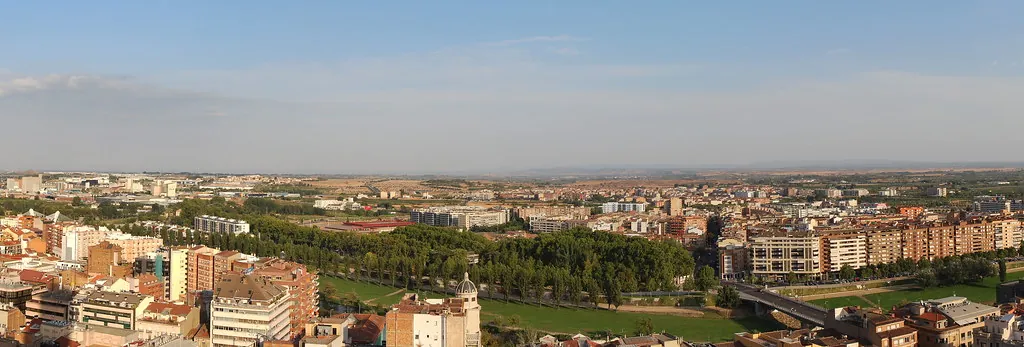
The mill isn't preserved. It's collapsing quietly into itself, no info panel in sight. You go there for the walk through the fruit trees, not for any grand revelation. If you're feeling energetic, a small hill nearby gives you the full picture: Soses as a green grid of irrigated plots pinned against the vast plain.
It makes sense up there. You see how everything is shaped by water—the river's bend, the channels cutting through fields, even the morning dampness in the air.
When The Square Fills Up
The festivals here are for them, but they don't mind if you watch.
In January, for Sant Antoni, they light bonfires and bring animals to be blessed. In early September, for the festa major, after most of the fruit is in, they roll out an orchestra for traditional dancing in the square. The smell of gunpowder from small firecrackers mixes with the scent of overripe peaches from nearby crates.
It’s not a performance. It’s just what happens when work slows down for a day or two.
The Takeaway
Soses won't fill your camera roll with postcard shots. What it does is straightforward: a river bend to sit by, a fossil in an unlikely place, orchards that smell incredible in spring, and food that tastes like what people here actually eat.
Come on a Sunday morning before it gets hot. Walk to the bridge, share a coca in the square, pick up a pan de pessic for later. You'll be done by lunchtime having understood exactly what it is—a village that works all week and relaxes by its river on Sunday. And honestly? That feels like enough