Full Article
about Torrefarrera
Growing town near Lleida; urban art festival
Ocultar artículo Leer artículo completo
The church bell strikes noon as tractors rumble past the only set of traffic lights. Sant Martí's neoclassical facade, built when this was still a scattering of farmsteads, now faces a pharmacy, a Chinese bazaar and the weekly fruit stall where locals debate peach prices. This is Torrefarrera: not quite village, not quite suburb, but something altogether more honest about modern Catalonia.
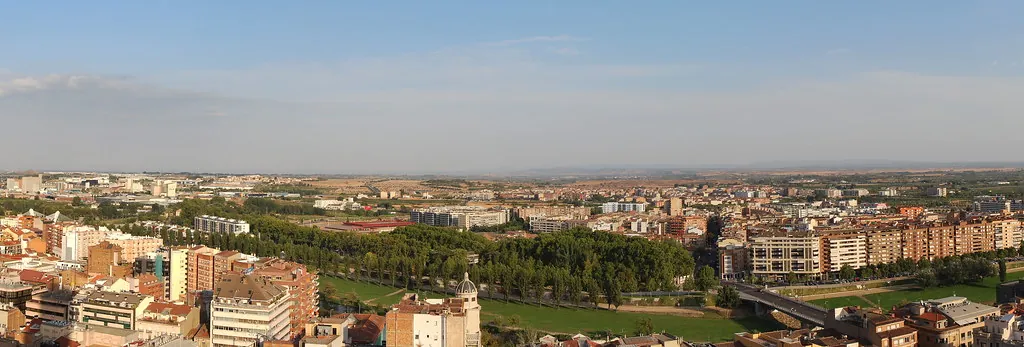
Five kilometres northeast of Lleida, the settlement spreads across the flat Segrià plain like agricultural patchwork. At 214 metres above sea level, the Pyrenees remain a distant suggestion on clear days. Instead, the horizon belongs to irrigation ditches, peach orchards and the rhythmic geometry of cereal fields that shift from emerald to gold between spring and late July. The name translates roughly as "Iron Tower" – a medieval reference to watchtowers that once monitored these crossroads. One tower survives only in municipal letterheads; the iron now arrives via articulated lorries exiting the A-2.
A Working Landscape
Drive in along the N-230 and the first impression is functional rather than romantic. Modern apartment blocks rise behind service stations; polystyrene trays of figs sell for two euros beside diesel pumps. Yet turn onto Carrer Major and the scale shrinks. Narrow pavements force pedestrians into single file. Elderly residents occupy plastic chairs outside 1950s ground-floor flats, chatting in lilting Catalan that drops the final syllables printed in phrasebooks. Washing lines zig-zag overhead, draped with Barcelona football shirts and floral sheets that glow against ochre plaster.
The parish church anchors this older grid. Built between 1788 and 1805, Sant Martí replaced a Romanesque predecessor deemed too small for an agricultural population expanding on the back of canal irrigation. Inside, the single nave smells faintly of incense and floor polish. Altarpieces are modest; the real treasure is acoustic. On feast days the unamplified choir carries perfectly to the rear pews, something the architect achieved by keeping ceiling height modest and walls uncluttered. Step outside at dusk and swifts perform their own display, dive-bombing the bell tower which still houses its original 1810 mechanism – wound manually every Friday by the same sacristan who collects keys from the bakery each morning.
Flat Trails and Irrigation Maths
Torrefarrera's geography rules out heroic hiking. What it offers instead is an introduction to the hydraulic engineering that turned arid Lleida into one of Spain's breadbaskets. Pick up the gravel lane behind the sports centre and you join the Canal d'Aragó i Catalunya, completed 1789. Marker stones every kilometre still show royal ciphers. A gentle 45-minute circuit heads south to the hamlet of Goleró, returning along peach plots where each tree is drip-fed by plastic tubes timed to release precisely 18 litres per day during July. Spring blossom turns the route snow-white for ten days around 20 March; mid-October brings the smell of crushed grapes as mechanical harvesters work dusk to dawn.
Cyclists appreciate the lack of gradient. The local council has painted bike lanes on the main road, though they're often occupied by slow-moving tractors hauling almond trailers to the cooperative. Better to follow the agricultural service tracks mapped on OpenStreetMap – compacted earth, shade from plane trees, and the occasional unrestrained farm dog that gives up the chase after 50 metres. A circular 20-kilometre ride west reaches the ruins of Gardeny castle, headquarters of a 12th-century Templar commandery now being restored by university volunteers. Pack water; bars outside Torrefarrera close without warning when fieldwork peaks.
Eating Between Field and Factory
Gastronomy reflects what surrounds the town: fruit, pork and river fish. Weekday lunch menus hover around €12, bread included. At Ca l'Àngel they serve cargols a la llauna – snails roasted with garlic and chilli – but will swap in chicken wings if you blanch at shell-based starters. Thursday is paella day at Bar L'Estació opposite the railway halt; arrive before 14:30 or the rice pot empties. Locals debate whose grandmother makes better cocido, yet everyone agrees the almond tart at Forn Bertran merits the detour. Buy it whole (€8) and they'll slice it for motorway snacking.
Evening options shrink dramatically. By 21:00 streets are quiet; televisions flicker behind half-closed shutters. The Parador 24h beside the A-2 stays open continuously – a Spanish motorway services masquerading as a hotel restaurant. British number plates fill half the car park around 18:00 as drivers break the Barcelona–Zaragoza run. Expect decent grilled lamb chops, indifferent chips and toilets cleaner than most UK petrol stations. Those staying overnight usually booked by mistake, confusing the word "Parador" with Spain's luxury state-run hotels. Reception keeps UK adaptors behind the desk; ask before the night porter clocks off at 23:00.
Festivals Without the Photographs
Tour brochures skip Torrefarrera's fiestas because they resist packaging. The mid-August Fiesta Mayor honours Sant Roc with three nights of outdoor discos that finish at 05:00 sharp – local bylaws protect peach pickers' sleep patterns. Foam parties occupy the football pitch; teenagers compare tractor licences while downing €3 mojitos from the Lions Club kiosk. Visitors are welcome but not fussed over. There are no souvenir stalls, no bilingual announcements, just a handwritten poster taped to the bakery door listing the timetable for the cercavila giant-dance.
November brings the more sedate Festa de Sant Martí. Chestnuts roast on an oil-drum barbecue outside the town hall; sweet smoke drifts past the post office. Children brandish paper lanterns fashioned from wine bottles and coloured tissue. An amateur choir performs Catalan folk songs in the church, followed by vermouth served in plastic cups. Zero tourist infrastructure equals zero tourist prices: a paper cone of warm chestnuts costs €1.50, the same locals pay.
Getting Here, Leaving Again
No British airline mentions Torrefarrera. The sensible route flies to Barcelona, collects a hire car and heads west on the AP-2 toll motorway (€18.45 in cash). Leave at junction 461 after 90 minutes; the town slip-road deposits you directly at the Parador petrol pumps. Public transport exists but demands patience. Rodalies train line R13 links Lleida to Torrefarrera in 12 minutes, though trains run only every two hours off-peak. A taxi from Lleida bus station costs about €18 daytime, €22 after 22:00. Without wheels you'll miss the irrigation walks and rely on the sporadic local bus to reach Lleida's restaurants and museums.
Accommodation faces the same honesty test. The Parador 24h offers 36 motel-style rooms at €65–€75 including parking and tolerable Wi-Fi. Rooms facing the lorry park are quieter than the motorway side. Alternatively, stay in Lleida's Hotel Real, five kilometres away, where staff speak English and the breakfast buffet recognises vegetarianism. Torrefarrera itself has no hotels, just a pair of unregistered guesthouses advertised on Spanish-only Facebook pages. They'll accept foreigners if you message in Catalan and don't mind sharing a bathroom with seasonal fruit pickers.
The Verdict
Come here for what southern Catalonia actually is rather than what Instagram claims Spain should be. Torrefarrera won't deliver cobbled hilltops or sea-view paellas. It will show you how irrigation maths, EU subsidies and three generations of hard work created a comfortable small town where peaches travel less than 30 km from tree to supermarket. Spend an afternoon walking the canal banks, eat almond tart while the church bell counts the hours, then rejoin the motorway revived and slightly better informed about the landscape you're speeding through.