Creu de pedra de Vilanova del Segrià.jpeg
Josep Salvany i Blanch · Public domain
Cataluña · Sea, Mountains & Culture

Vilanova de Segrià

Stand on the single traffic-calmed high street at 07:30 and the only sound is the grain drier in the cooperativa coughing into life. Vilanova de Se...

1,094 inhabitants · INE 2025
255m Altitude

Why Visit

Church of San Sebastián Rural routes

Best Time to Visit

summer

Main Festival (August) agosto

Things to See & Do
in Vilanova de Segrià

Heritage

  • Church of San Sebastián
  • Cooperative

Activities

  • Rural routes
  • Local life

Festivals
& & Traditions

Fecha agosto

Fiesta Mayor (agosto)

Las fiestas locales son el momento perfecto para vivir la autenticidad de Vilanova de Segrià.

Full Article
about Vilanova de Segrià

Agricultural village with a Romanesque-Gothic church; active cooperative

Ocultar artículo Leer artículo completo

A Plain That Talks in Wheat

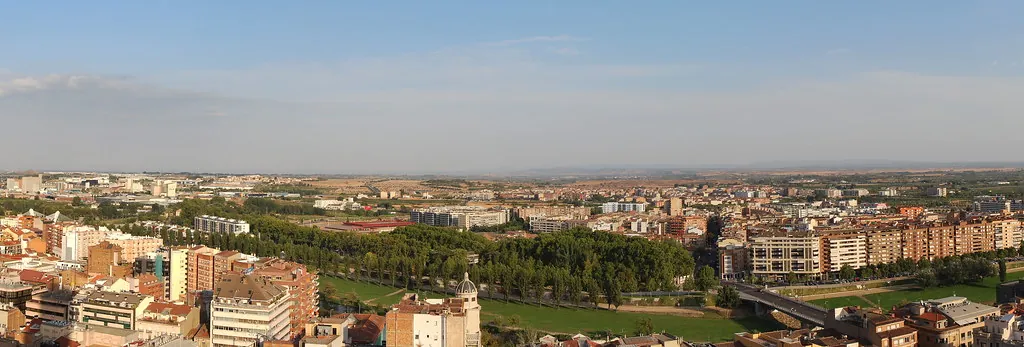
Stand on the single traffic-calmed high street at 07:30 and the only sound is the grain drier in the cooperativa coughing into life. Vilanova de Segrià sits 255 m above sea level on Catalonia’s central plain, ringed by almond plots and durum-wheat rectangles so neat they look ironed. There is no dramatic gorge, no cliff-top hermitage—just soil, sky and the smell of straw heated by the early sun. That simplicity is the point: the village still earns its living from what surrounds it, not from what it can sell to passing coaches.

Stone, Brick and a Church That’s Younger Than Queen Victoria

The parish church looks older than it is. Finished in 1912, it replaced a smaller chapel that buckled under the weight of Sunday coats and boots. Inside, the walls are the colour of dried maize; outside, the square bell tower serves as the default meeting point for anyone who says “Ens veiem a la plaça”—the entire social diary reduced to one slab of sandstone. Walk three minutes in any direction and the houses shrink: stone ground floors for animals, brick upper storeys for people, wooden beams darkened by a century of pork fat and garlic smoke. Keep an eye out for the 1920s Art-Nouveau doorway at Carrer Major 17; the ironwork still carries the original owner’s initials, but the current residents park a hatchback against it and think nothing of the history lesson.

How to Arrive Without a Car (and Why You’ll Probably Hire One Anyway)

From the UK it is two hours to Barcelona El Prat, then a fast AVE train to Lleida—1 h 10 min, tickets from £22 if booked early. Vilanova lies 15 km east of Lleida, a distance that sounds trivial until you discover the bus runs twice a weekday and not at all on Sunday. Taxis charge a flat €35; easier to pick up a hire car at the station. The drive is straight: the A-2 autopista, exit 494, then a single-lane road flanked by peach orchards. In August the asphalt shimmers; in January low mist can halve visibility—drive with dipped beams even at midday.

Pedal or Walk: Flat Means Forgiving

The agricultural service tracks that fan out from the football pitch are graded but unsurfaced—fine for hybrids, suicidal on a road bike. A gentle 8 km loop north-east follows the Canal d’Urgell, the 19th-century irrigation channel that turned these scrublands into lettuce belts. You’ll share the path with the odd tractor and a lot of sparrows; carry water because the only bar is back in the village and it shuts at 14:00 sharp. Spring brings storks nesting on telegraph poles; autumn smells of crushed grapes from the plots that still sell to the local cooperative bodega in neighbouring Juneda.

Eating: What Grows Here, Stays Here

Don’t expect tasting menus—Vilanova has one café, one bakery and a butcher who doubles as fishmonger on Fridays because someone’s cousin drives to the coast. Order a coca de recapte (flatbread with roasted aubergine and botifarra sausage) and the baker will ask if you want it “per emportar”—locals eat on the bonnet of their cars, paper napkins flapping like surrender flags. For a sit-down meal you’ll need to drive ten minutes to La Boscana near Alguaire, where chef Lluís Llamas serves a seven-course “camp i mar” menu for £55; request the shorter version in English and they’ll happily swap sea cucumbers for pigeon if the translator gets confused. Back in the village, Thursday is rice-with-snail day at the social club; visitors are welcome but must sign the guest ledger and pay €9 cash—card machines are considered urban nonsense.

Fiestas: Fireworks, Giants and a Slightly Illegal Tractor Parade

The main fiesta happens around 15 August. Events start with a cercavila—giant papier-mâché figures dancing to a brass band that has clearly been drinking since breakfast. At dusk the correfoc (devil-run) sends sparks up white T-shirts; stand down-wind unless you fancy explaining singed underwear to EasyJet’s claims desk. The highlight is the Sunday morning tractor procession: forty farm machines polished like museum pieces, stereos rigged to the battery blaring Catalan rock. Parking is impossible after 09:00; arrive early, accept that you’ll leave coated in a fine layer of wheat chaff.

Where to Sleep (Spoiler: Not in Town)

Vilanova itself offers three Airbnb cottages, all converted farm outbuildings with thick walls that keep July heat at bay. Expect ceiling beams you’ll hit if you’re over six foot, and neighbours who own cockerels. Nightly rates hover around £80 for a two-bedroom house—Saturday-to-Saturday bookings fit UK flight patterns and hosts message in English. If you prefer a hotel, the Ramon Berenguer IV in Lleida has free parking, spotless rooms and a buffet that British reviewers describe as “proper bacon, none of that crispy Spanish ham”. The 25-minute morning commute along empty country roads is actually quicker than finding a parking space in central Barcelona.

Honest Weather Notes

Spring (mid-March to May) is the sweet spot: wild mustard between the wheat, daytime 22 °C, nights cool enough for a jumper. Summer means 35 °C by 13:00; sightseeing is best done before coffee or after siesta. Autumn brings mushroom foraging in the nearby Boumort mountains—45 minutes’ drive, worth it if you like slippery tracks and guard-dog sheep. Winter is mild but bleak: the plain turns khaki, bars close earlier, and the Tramontana wind can whip across the fields at 70 km/h—pack a scarf even if the forecast claims 15 °C.

The Bottom Line

Vilanova de Segrià will never make the front cover of a glossy Spain supplement. It has no beach, no Michelin stars, no Moorish castle to tick off. What it offers is harder to package: the chance to calibrate your watch to field time, to eat lettuce that was soil an hour ago, to realise that a village can still function without selling itself. Come if you’re curious about how food reaches the plate, if you don’t mind driving for dinner, and if you can cope with the neighbour’s cockerel acting as your alarm clock. Arrive with those expectations and the plain will talk to you—in the rattle of irrigation pipes, in the smell of fresh bread at 06:00, in the total absence of anything that could be described as “instagrammable”.

Key Facts

Region
Cataluña
District
Segrià
Coast
No
Mountain
No
Season
summer

Planning Your Visit?

Discover more villages in the Segrià.

View full region →

More villages in Segrià

Traveler Reviews