
Full Article
about Blanes
Gateway to the Costa Brava; a seafaring town with spectacular botanical gardens and long beaches.
Ocultar artículo Leer artículo completo
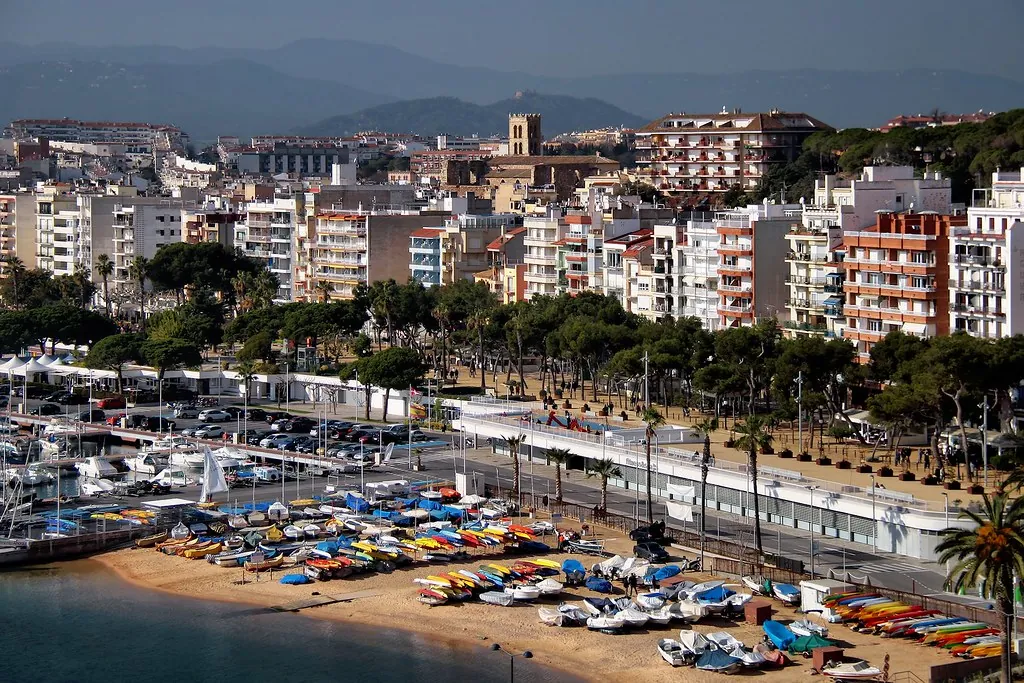
The fishing boat Nuevo Amanecer unloads its catch at 6.47 am. Forklift trucks clatter across the wet concrete while auctioneers rattle off prices in rapid Catalan. Fifty metres away, a British family in matching Stoke City shirts queues for ice creams. This is Blanes in microcosm: a working harbour that still functions while the rest of the town converts to deck-chairs and paella.
Blanes sits exactly where the Costa Brava begins, 65 km up the line from Barcelona Sants. The train hugs the coast, skirting the Maresme’s apartment blocks until, just north of the Tordera estuary, the rock suddenly grows teeth. The first real headland is Sa Palomera, a limestone fist punched into the Mediterranean, and the town wraps itself around the bay beneath it. At barely 13 m above sea level you can wheel a suitcase from station to sand in six minutes flat, yet the relief behind rises fast: the castle track gains 160 m in twenty sun-baked minutes, enough to make your calves notice the second beer from last night.
Harbour, Hill and High Season
Start at the port railings while the fish is still moving. Mackerel, red mullet and the odd swordfish tail flick across the scales while restaurateurs check WhatsApp orders on waterproof phones. The daily auction finishes by eight; after that the crates become makeshift benches for elderly men who seem to judge every mooring rope. Ignore the glossy brochure photos: Blanes smells of diesel and sea-spray before noon, and that honesty is precisely its appeal.
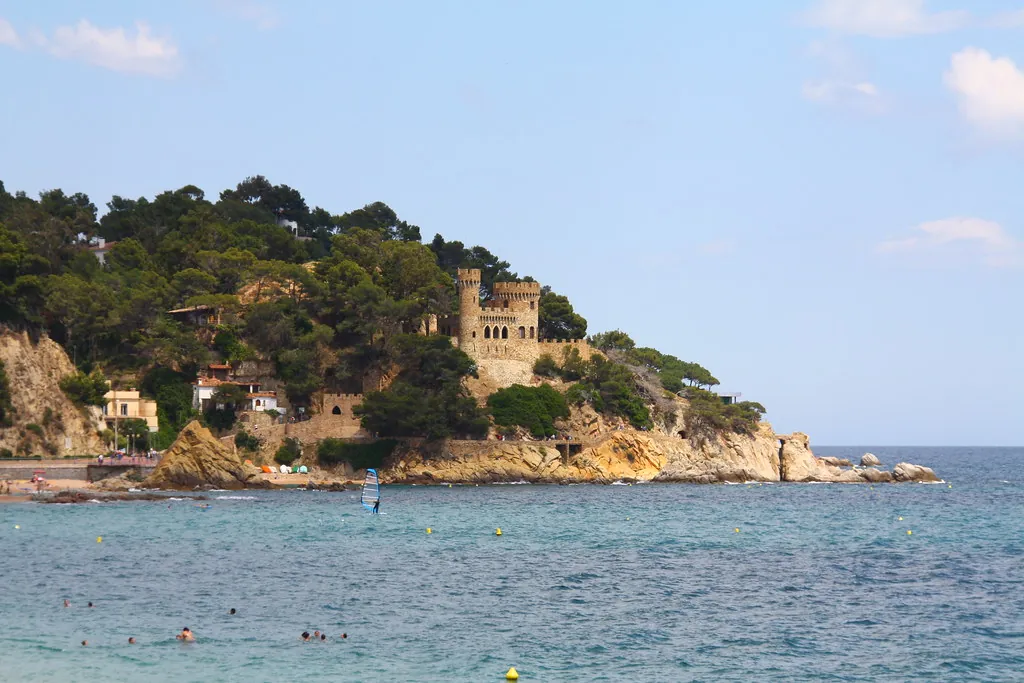
Climb through the old quarter to reach what remains of the Castell de Sant Joan. The path begins between recycling bins and a bakery that opens at 5 am for the fleet; it zigzags past terraced houses whose satellite dishes point inland, as if even the TVs refuse to look at the sea. Only fragments of wall survive at the top, but the panorama explains the town’s medieval value: you can sight incoming pirates—or today, the first Ryanair-packed train—long before they dock. Southwards S’Abanell beach stretches three kilometres of caramel sand towards the marshes; northwards the coast fractures into the coves that trademark the Costa Brava.
Descend for coffee in plaça d’Espanya. The parish church wears a neoclassical overcoat over late-Gothic bones, and the 15th-century fountain beside it still fills plastic bottles for household use. No interpretation boards, no audio guides, just stone that has been sat on, prayed beside and splashed against since before Henry VIII started chopping wives. Sit long enough and someone’s grandmother will explain, entirely in Catalan, why the water tastes better than the municipal supply. Nod, smile, agree.
Gardens that Lean Over the Sea
Botany saved Blanes from becoming Lloret. In 1920 German landscaper Karl Faust bought a cliff-top smallholding and planted agaves he’d shipped through Genoa. A century later Marimurtra hangs 150 m above the waves, its cactus paddles and dragon trees angled like green satellite dishes catching the sun. The garden is arranged in terraces so you’re always half a step from a 180-degree sea view; expect to queue for the stone bench everyone wants for selfies, but walk another thirty metres and you’ll find an identical prospect with no-one on it. Entry is €7; bring water because shade is rationed and the exit is uphill whether you like it or not.
Smaller but equally obsessive, Pinya de Rosa specialises in cacti: 7,000 varieties crammed into an old quarry ten minutes’ walk from the tourist office. British gardeners talk tenderly of the “hardy opuntia” they coax through Cornish winters; here they grow like weeds and flower like orchids. Close the gate carefully—wild boar sometimes wander in at night and uproar the irrigation.
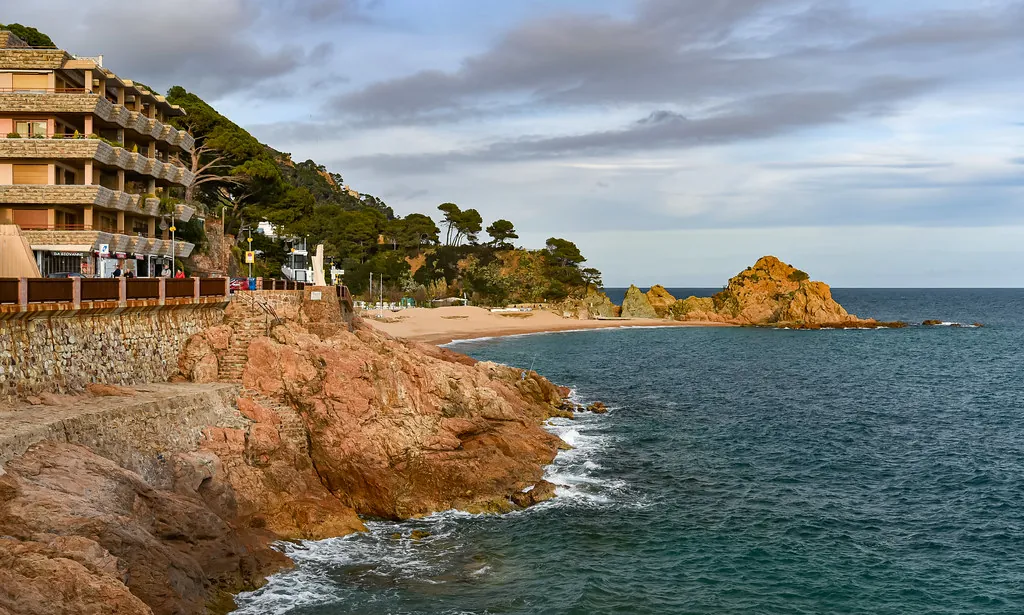
Between the two gardens lies Santa Cristina cove, a scoop of shingle inaccessible by car. The path drops from the main road opposite a tyre fitter’s, passes an abandoned holiday camp, then switchbacks through pine scrub. Reward: translucent water and a snack boat that sells cold Estrella for €2.50. Arrive after 11 am in July and you’ll share the inlet with thirty paddleboards and a floating speaker called Dave. Arrive at 9 and it’s yours.
Sand, Space and the August Compromise
Blanes’ main beach is wide enough to absorb the August hordes without turning into towel Tetris, but only just. The council marks out 4 m-wide corridors for pedestrians, so late-evening strolls don’t require stepping over prostrate Germans. Lifeguards whistle at the first hint of rip current; red flags fly more often than neighbouring resorts admit, a quiet admission that the open bay can churn.
Families who want space migrate south to S’Abanell, a linear parade of sand backed by 1970s apartment blocks whose ground floors sell inflatable crocodiles and knock-off Leicester shirts. The promenade here runs 2.5 km; rollerblades are still a thing, and the outdoor gym bars host shirtless grandfathers performing alarming pull-ups. At the very end the river Tordera forms a lagoon popular with herons and, unofficially, naturists who pretend they’re just “changing behind the reeds”.
For snorkelling, Cala Sant Francesc offers rock pools and bream beneath the cliffs. Parking is €3 per hour or a 25-minute walk from the last free space; the gatekeeper turns away cars from 10 am in peak season, which either preserves tranquility or ruins your plan, depending on optimism.
Eating After the Auction
By 1 pm the fishing boats are hosed down and the catch is in the kitchens. Look for menus that change daily and arrive before 2 pm when locals lunch; afterwards you’ll queue with sunburnt Brits ordering “the three-course”. Suquet de peix, a chunky fish stew thickened with almonds, arrives in a blackened casserole; mop the sauce with country bread or face culinary regret. A full portion feeds two; ask for “mitja ració” if you want room for crema catalana.
Tapas culture is understated—Blanes is more plate-than-pintxo—but Bar Pino on carrer Ample serves grilled sardines that taste of charcoal and salt alone. House white is poured from a refrigerated box behind the bar; trust it, pay cash, don’t expect artisanal tasting notes. If self-catering, the covered market (open till 2 pm, closed Sunday) sells tomatoes that actually smell of tomato, and a cheese stall offering a goat’s-milk formatge that survives the flight home wrapped in a sock.
Evenings fade early. A few bars along passeig de Mar offer happy-hour mojitos, but the soundtrack is more pram wheels than podium dancers. British reviewers sometimes complain about “limited nightlife”; they’re missing the point—Blanes resets to harbour-volume at dusk, and the entertainment is watching the lights of the trawlers blink on while the last swimmers float on phosphorescence.
Getting Here, Getting Out
Girona airport is 35 minutes by taxi (€70 pre-booked) or 90 minutes by train-and-bus. Barcelona Sants to Blanes takes 50 minutes on the regional train; buy a T-Casual zone 6 ticket (€22.55 for ten journeys) if you plan day trips back to the city. In summer services run every 30 minutes; off-peak they drop to hourly and the last train back from Barcelona is 22.40—miss it and the night bus reaches Blanes at 1.30 am with three changes, an ordeal that has convinced many travellers to stay an extra night instead.
Car hire opens the interior: the Montseny massif starts 25 km inland, where oak forest replaces pine and stone villages serve cider colder than the sea. Road access to the castle is closed to private vehicles; walking is mandatory, which keeps the ruin peaceful but rules out sunset access for anyone with mobility issues.
Leave space in the suitcase for a bottle of ratafia, the local herb liqueur that tastes like Christmas poured over liquorice. Airport security will confiscate it if you forget the 100 ml rule; drink it on the last night, toast the fishing lights, and admit that somewhere between the diesel wharf and the cliff-top cacti, Blanes has quietly done what the noisier Costa Brava resorts merely advertise.