Full Article
about Brunyola
Municipality known for hazelnut cultivation; old core set atop a hill
Hide article Read full article
Brunyola: El pueblo que vive del avellano
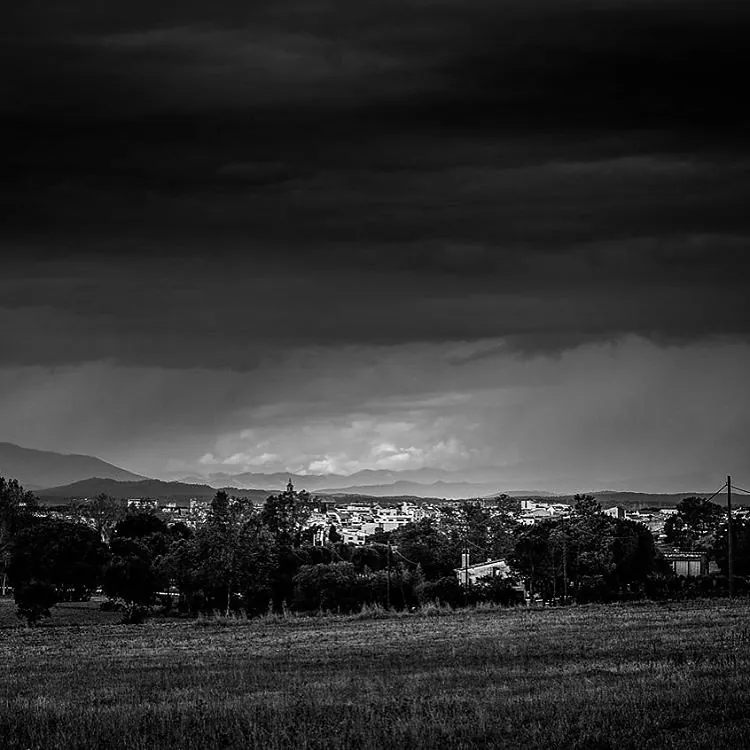
Llegué a Brunyola por un camino de tierra que mi GPS insistía en que era una carretera. Tras el último recodo, entre bosques de la Selva, apareció el pueblo. No hay rotonda de entrada con cartel fotogénico. Solo una señal descolorida con el nombre y los 398 habitantes. Me sentí como cuando encuentras una tienda que solo conocen los del barrio: sabes que has dado con algo.
Este sitio no está escondido a propósito, pero tampoco se hace notar. Está a una hora de la Costa Brava, metido hacia dentro, donde el paisaje se arruga en colinas verdes. Lo primero que te golpea no es la silueta del castillo (que está ahí arriba, vigilante) sino un olor dulzón y terroso en el aire. Es el olor de las avellanas secándose al sol. Aquí todo, pero todo, gira alrededor de ese fruto.
Un ritmo marcado por la tierra
Olvídate del horario de playa. En Brunyola se madruga porque hay que trabajar. A las siete ya suenan los tractores rumbo a las plantaciones que rodean las casas como un anillo verde. En el único bar del pueblo, a esa hora, los vecinos toman el café y hablan del tiempo con una seriedad que en otros sitios solo se reserva para la política.
La siesta existe, pero no paraliza. Se come sobre la una y media, se cena a las nueve, y para las once el silencio es tan denso que se oye crujir la madera de las casas viejas. No es un lugar pensado para turistas; es un lugar donde viven gente. Eso tiene un valor que ahora es raro.
El castillo y la iglesia: historia sin boletos
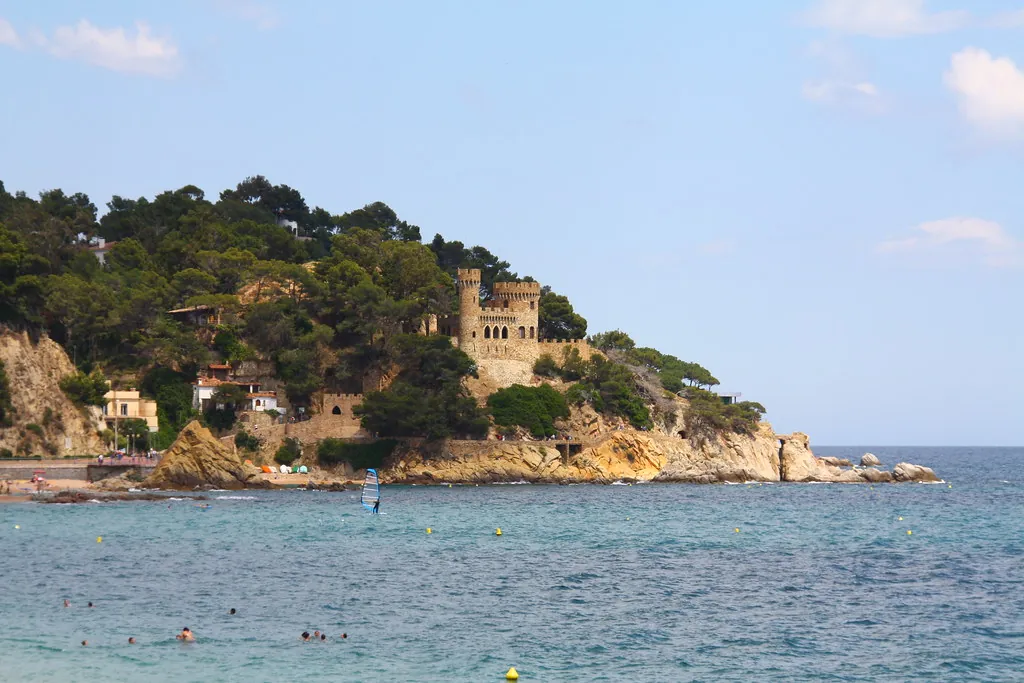
El Castillo de Brunyola parece sacado de un libro de cuentos, pero sin el barniz para visitantes. Es del siglo XI, puro mampuesto y piedra vista, con hierbas silvestres creciendo entre sus grietas. Lo bonito es su normalidad: no hay taquilla ni horarios estrictos. A veces está abierto, a veces no; si tienes suerte y encuentras a Joan, el encargado, te contará historias con más cariño que cualquier audioguía.
La joya verdadera para mí es la iglesia de Sant Fruitós. Románica, pequeña y con una paz interior que pesa. La luz entra por ventanas antiguas y alumbra unos frescos medievales bastante bien conservados. No hay música ambiental ni paneles explicativos. Solo piedra fría y siglos de silencio acumulado.
Cuando la avellana es cultura (y comida)
Aquí no preguntas qué hay de segundo plato sin avellana. Es su identidad comestible. Las encuentras tostadas con sal en los bares, trituradas en pralinés artesanales o prensadas en un aceite oscuro y aromático que vale su peso en oro. Hay un restaurante en el pueblo donde la cocinera lleva décadas haciendo lo mismo: cocinar lo que da la tierra. Su sopa de avellanas es famosa (suena raro, sabe a gloria) y te hace entender por qué este cultivo define a toda una comarca.
Para beber, pide el licor local de avellana. Es dulce, potente y lo llaman "el sol líquido" con razón. Una copita después de comer y entiendes por qué nadie se marcha de aquí.
Cómo ir sin frustrarse
Seamos claros: venir sin coche es misión imposible. El transporte público brilla por su ausencia. Las carreteras de acceso son estrechas y serpenteantes; mejor un utilitario pequeño. Yo lo aprendí tras arañar sin piedad el parachoques de un monovolumen al cruzarme con un tractor.
Dormir en Brunyola mismo es complicado. Hay una casa rural con pocas habitaciones que se reservan con mucha antelación, sobre todo en octubre, cuando celebran su Feria de la Avellana. Una opción más realista es alojarse en Santa Coloma de Farners, a diez minutos en coche, o incluso en Girona, a media hora. Desde allí puedes venir a pasar el día, preferiblemente al atardecer, cuando la luz baña los avellanares con un tono dorado espectacular.
¿Cuándo ir? Octubre, sin duda. Es cuando el pueblo despierta del letargo veraniego y celebra su fiesta grande alrededor del fruto. Se prueban cosechas, hay catas y se respira un ambiente genuino de pueblo orgulloso de lo suyo.
Mi conclusión tras unas cuantas visitas
Brunyola no es para todos. Si buscas animación constante, tiendas o un patrimonio impecablemente restaurado, te vas a aburrir. Pero si lo que quieres es ver cómo late todavía un rincón rural de Catalunya ajeno al espectáculo turístico, este es tu sitio.
A mí me conquistó su honestidad. No hay postureo. Solo 398 personas, un castillo viejo y miles de avellanos. A veces, lo mejor no es lo más famoso, sino lo que sigue funcionando como siempre ha funcionado