

Full Article
about Lloret de Mar
One of Europe’s top tourist destinations; beaches
Hide article Read full article
First things first: how Lloret works
Park in the first car park you see. In summer, searching for a space near the beach is pointless. The centre is a grid of one-way streets between hotels. You'll drive in circles. Most people leave the car and forget it. Everything here is done on foot.
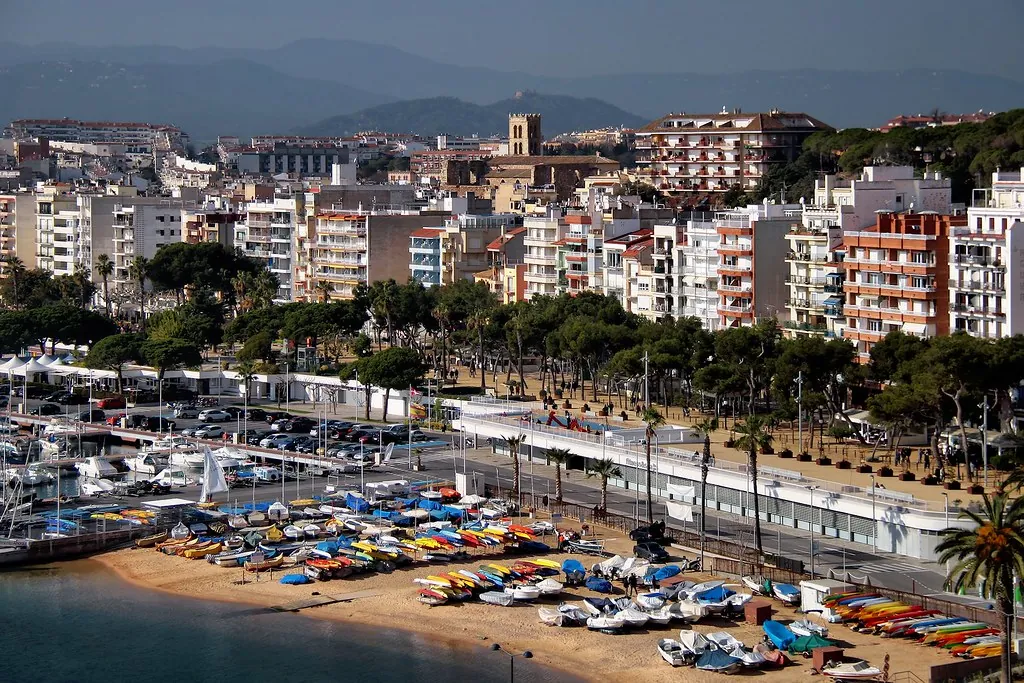
Lloret is not a fishing village. It's a resort built for volume, starting in the 1960s. The official population is around 43,000, but that figure means little in July. The main beach is long and wide. By midday in season, it's a patchwork of towels. If you want empty coves or silence, you are in the wrong place.
That's the deal. Lloret looks like a major Mediterranean resort and functions as one.
What to see when you need a break from the sand
There are no must-see monuments, but a few spots justify stepping off the promenade.
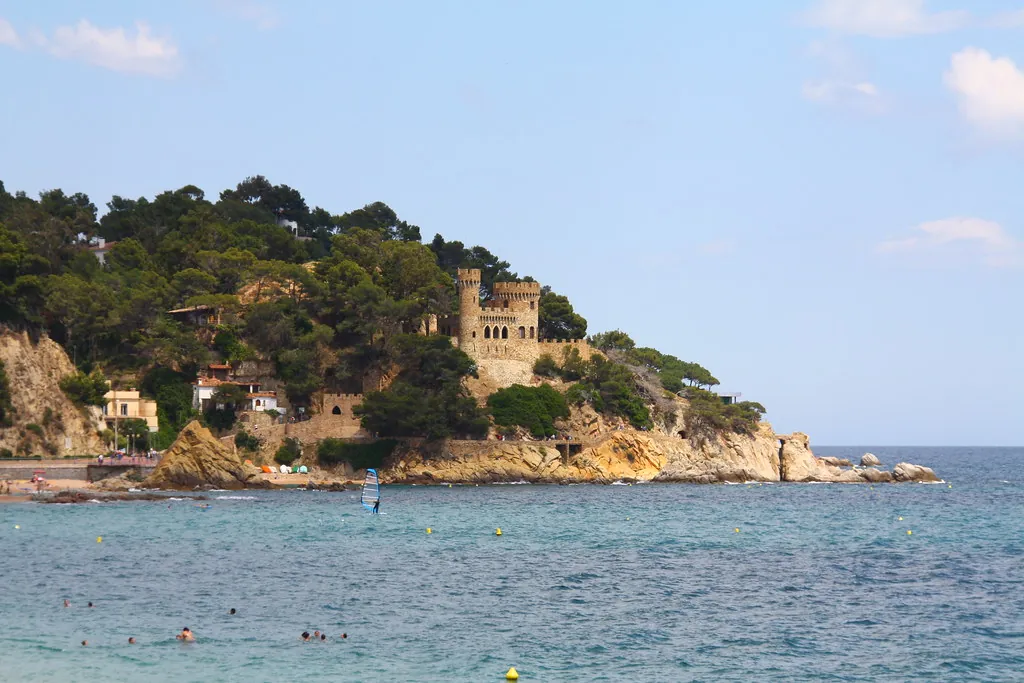
Castell de Sant Joan sits on the hill between Lloret and Fenals beach. The walk up via steps takes about twenty minutes; it feels longer under strong sun. At the top are low ruins of an old fortification and a clear view of the coastline. It’s not impressive architecture, but the position makes sense: you see why a watchtower was built here.
Església de Sant Romà has a 16th-century Gothic base, but what you notice are the later Modernista additions. It’s squeezed into the commercial centre, surrounded by souvenir shops. A five-minute look inside is enough.
Jardins de Santa Clotilde are the best stop in town. These are cliff-top gardens from the early 20th century, laid out with steps, statues and pines facing the sea. You can walk them in half an hour. It’s noticeably quieter than down on the beach.
Other sites depend on your interest: Turó Rodó has a reconstruction of an Iberian settlement with panels explaining it; the modernist cemetery has striking mausoleums from that era; Museu del Mar, set in an old merchant's house, covers local maritime history. They're fine if you have time to spare.
Eating: look past the picture menus
Bars and restaurants are everywhere. On streets backing onto the beach, menus cater to fast turnover: standard paellas, sangría, photos of every dish.
For something more local, check for Catalan names on the board. Suquet de peix is a rock fish and potato stew. Coca de Lloret is a flatbread typically topped with escalivada (roasted vegetables) and anchovies. You'll find Costa Brava-style rice dishes in places focusing on regional cooking. The flavours are straightforward—fish, garlic, olive oil.
Prices climb as you get closer to the seafront promenade. Walk two or three blocks inland for calmer places where they don't rush you out.
Festivals and nightlife: two different towns
Lloret’s main festival (Festa Major) is in November. Since it's outside tourist season, the atmosphere is more local, with traditional events like sardana dancing in public squares accompanied by live music from cobla bands. In summer, there's also a maritime procession for Santa Cristina, where her image travels by boat to its hermitage. It’s one of few moments where the town’s connection to the sea takes centre stage ceremonially. Outside these events, much of Lloret’s calendar revolves around nightlife tourism. During high season, groups arrive from across Europe. The area with big nightclubs gets loud at night. If you want quiet evenings, stay away from that part of town entirely—choose accommodation elsewhere instead!
Two short coastal walks
You can stretch your legs without much effort.
The camí de ronda towards Blanes follows sections of coastline over rocky headlands; it involves some short ascents/descents so bring water & sun protection! At points along this path lie small coves usually less crowded than main beaches do get busy quickly though so go early morning if possible avoid midday heat altogether maybe even consider going late afternoon when sun isn't so intense anymore but still plenty light left before sunset happens around 9pm during summer months which gives enough time enjoy scenery without rushing back darkness falls suddenly after dusk passes quickly here due latitude being further north compared other Mediterranean destinations like Malaga or Alicante where twilight lasts longer allowing more leisurely evening strolls safely lit paths aren't always available everywhere especially remote stretches might lack lighting making torches essential items pack them just case needed unexpected delays occur such as getting lost trail markers sometimes unclear first-time visitors unfamiliar terrain should stick well-trodden routes avoid venturing off beaten track unnecessarily risking injury accidents happen often tourists underestimate difficulty certain segments believing easy hike turns out challenging unprepared individuals leading rescue calls frequent occurrence local authorities advise caution always check weather conditions beforehand since sudden storms can arise rapidly causing slippery dangerous conditions underfoot particularly limestone rocks become treacherous when wet increasing fall risks significantly heed warnings issued posted signs entrances trails closed bad weather respect closures don't attempt bypass barriers put place safety reasons ignore advice could result serious consequences including fines penalties imposed reckless behavior endangers not only yourself others well-being too remember responsible hiking practices leave trace principles carry trash dispose properly designated bins help preserve natural environment future generations enjoy same beauty we experience today collective effort required maintain pristine state coastal paths withstand heavy foot traffic erosion control measures implemented regularly require cooperation users adhere guidelines set forth management bodies overseeing protected areas within municipality boundaries compliance ensures sustainability recreational activities long term viability tourism economy depends heavily preserving scenic landscapes attract visitors year round contributing livelihoods many residents involved hospitality sector directly indirectly benefiting overall community prosperity shared responsibility care common resources belong everyone equally entitled access responsibly manner promotes harmony between human activity ecological preservation balance achievable through mindful actions each individual contributes larger picture conservation success stories demonstrate positive outcomes achievable when people work together towards common goals protecting heritage values inherent places like Costa Brava renowned globally unique beauty deserves safeguarding utmost priority all stakeholders involved process decision-making regarding land use planning development projects must consider environmental impacts assessments conducted transparently involve public consultation phases ensure voices heard concerns addressed adequately prior approval any proposals potentially alter character locale fundamentally irreversible changes avoided unless absolutely necessary justified overwhelming majority support base evidence-based reasoning underpins final determinations made authorities charge governance structures exist facilitate dialogue among diverse interest groups reach consensus acceptable compromises satisfy multiple objectives simultaneously achieving win-win situations feasible given goodwill parties engaged constructive negotiations mediated neutral facilitators skilled conflict resolution techniques applied effectively yield satisfactory outcomes disputes resolved amicably without escalating legal battles costly time-consuming processes drain resources better allocated elsewhere improving infrastructure services enhance quality life inhabitants visitors alike forward-looking vision embraces progressive ideals sustainable growth models prioritize ecological integrity social equity economic viability triad pillars support resilient communities thrive face challenges posed climate change global uncertainties looming horizon proactive adaptation strategies essential mitigate adverse effects already manifesting increased frequency extreme weather events sea level rise threats coastal zones urgent action needed implement protective measures safeguard assets vulnerable locations investments made today determine tomorrow's reality choices we make now shape legacy leave behind children grandchildren moral imperative act decisively informed best available science coupled traditional knowledge passed down generations combine create robust frameworks guide policy formulation implementation monitoring evaluation cycles continuous improvement adaptive management approaches allow flexibility respond emerging issues promptly efficiently maximizing effectiveness interventions deployed scale required address magnitude problems confronted collectively humanity crossroads history path choose defines fate planet home us all stewardship duty transcends national borders cultural differences unifying principle survival depends cooperation collaboration unprecedented levels achieved before possible technological advancements enable connectivity sharing information instantaneously across globe harnessing power digital tools coordinate efforts tackle pressing environmental crises head-on optimism warranted seeing growing awareness mobilization grassroots movements demanding change political will gradually shifting towards greener agendas international agreements signed ratified signal commitment reversing destructive trends restoring ecosystems degraded past exploitation rehabilitation projects underway worldwide demonstrating feasibility large-scale restoration endeavors funding mechanisms evolving channel financial flows support transition low-carbon economies circular systems minimize waste maximize resource efficiency innovations abound fields renewable energy storage smart grids electric mobility alternatives plastic packaging biodegradable materials emerging replace polluting predecessors rapid pace transformation underway gives hope brighter future attainable concerted action sustained over decades come individual contributions matter aggregate impact significant never underestimate power small steps taken consistently lead monumental shifts paradigm ultimately redefine relationship nature symbiotic rather than extractive harmonious coexistence goal worth striving tirelessly achieve together united purpose transcends petty divisions reminds common destiny intertwined fate shared biosphere precious fragile handle care reverence owed sacred trust bestowed upon current generation custodians earth's bounty pass intact enriched next inheritors charge solemn responsibility uphold highest standards ethical conduct regards treatment fellow creatures habitat sustain life forms interconnected web existence disruption one element reverberates throughout system causing cascading effects unpredictable consequences prudent precautionary principle applied decisions potentially harmful until proven otherwise burden proof lies proponents change demonstrate safety efficacy proposed actions rigorous testing independent verification required ensure no hidden costs externalities overlooked full cost accounting methodologies adopted capture true value natural capital often ignored conventional economic models leading distorted pricing signals misallocation resources correcting market failures internalizing environmental costs key aligning incentives sustainable practices regulatory frameworks play crucial role setting rules game level playing field penalizing bad actors rewarding good performers transparency accountability cornerstones effective governance institutions strong enforcement capabilities deter violations reputation mechanisms also powerful drivers corporate behavior consumers increasingly vote wallets supporting brands align values boycotting those don't shareholder activism rising force pushing companies adopt ESG criteria investment decisions integrating environmental social governance factors analysis becoming mainstream finance redirecting capital flows towards sustainable enterprises accelerating transition inclusive economy leaves no behind just transition framework ensures workers displaced declining industries receive retraining opportunities new green jobs created equitable distribution benefits across society addressing inequalities exacerbated climate impacts disproportionately affect marginalized populations climate justice imperative rectifying historical injustices contributed current predicament reparative measures form part comprehensive strategy build resilient fair society capable weathering storms ahead literal metaphorical sense preparedness key reducing risks associated disasters early warning systems community response plans save lives reduce property damage investing resilience upfront cost-effective compared rebuilding aftermath tragedies avoided foresight planning integration nature-based solutions infrastructure development enhances protective capacities while providing co-benefits biodiversity recreation carbon sequestration multiple wins achievable thoughtful design implementation blue-green networks urban areas mimic natural hydrological cycles reducing flood risks improving air quality cooling heat islands enhancing livability cities growing majority humanity resides urban centers making critical frontline battle sustainability won lost here transformations required massive scale speed daunting yet examples successful transformations exist learn replicate adapt local contexts innovation diffusion accelerated peer learning networks exchange experiences lessons failures equally important successes humility acknowledge mistakes course correct quickly agile methodologies enable iterative prototyping scaling effective solutions fail fast cheap motto entrepreneurial mindset applied social environmental entrepreneurship burgeoning field attracting talent passionate making difference measurable impact metrics track progress towards SDGs united nations sustainable development goals provide roadmap humanity navigate complex challenges ahead holistic framework integrates economic social environmental dimensions development recognizing interdependence cannot achieve one sacrificing others integrated approach necessary breaking silos fostering cross-sectoral collaboration breaking traditional boundaries disciplines required solve wicked problems defy simple solutions require systemic thinking understanding feedback loops leverage points intervene effectively systems change theory practice evolving field drawing insights complexity science network analysis behavioral economics psychology sociology anthropology diverse fields contribute richer understanding human behavior institutional dynamics shape outcomes interventions designed accordingly context-specific tailored local conditions avoid cookie-cutter approaches doomed fail disregard unique circumstances each place culture history geography matter deeply shaping what works doesn't universal prescriptions rarely apply nuanced appreciation locality essential successful implementation externally driven initiatives often face resistance perceived imposition foreign values models respectful engagement co-creation processes involving local stakeholders from outset builds ownership increases likelihood long-term sustainability beyond project lifecycle dependency external aid reduced gradually building local capacity self-reliance ultimate aim empowerment communities chart own course development aligned aspirations values preserving cultural identity while embracing beneficial aspects modernity selective adoption rejection based critical assessment merits demerits hybrid solutions blending traditional knowledge modern science often most appropriate path forward respecting wisdom accumulated over generations living particular environment combined cutting-edge technologies creates synergistic effects superior either alone humility learning indigenous peoples guardians vast stores ecological knowledge rapidly disappearing languages die taking with irreplaceable insights functioning ecosystems urgent documentation revitalization efforts underway salvage vanishing heritage before lost forever priceless resource humanity could guide restoration degraded lands waters revival cultural practices associated sustainable management resources hope younger generations reconnect roots forging new identities incorporate best both worlds navigating complexities globalized world retaining sense belonging place increasingly rootless mobile populations need anchors stability continuity amidst constant change reconnecting land source food water materials fundamental human need severed industrial urbanization re-localization movements gaining momentum seek rebuild shorter supply chains enhance security resilience face disruptions global trade pandemics conflicts highlighting vulnerabilities excessive dependence distant sources basic necessities relocalization not about isolationism rather about right-sizing economies appropriate scales balancing local regional global trade optimizing efficiency redundancy trade-offs considered carefully context food sovereignty movement advocates communities control own food systems prioritizing access healthy culturally appropriate produced sustainably ecologically sound methods agroecology offers promising alternative industrial agriculture depletes soils pollutes waters emits greenhouse gases contributes biodiversity loss contrast regenerative agricultural practices rebuild soil health sequester carbon enhance biodiversity improve water retention increase yields over time after initial transition period requiring investment farmer training supportive policies market structures incentivize adoption consumer demand drives shift purchasing patterns education plays vital role raising awareness connections food choices health environment social justice issues farm labor conditions animal welfare etc informed citizens make better choices voting ballots wallets pressure corporations governments align public good collective action powerful driver change history shown when enough people demand change becomes inevitable tipping points reached seemingly overnight after years groundwork laying foundations shift public opinion building coalitions mobilizing grassroots momentum harnessing moments crisis opportunities transformative reform windows open briefly must seized prepared groundwork laid advance strategic vision ready implement when opportunity arises staying power movements crucial weathering setbacks persistence pays off eventual victory sweetest delayed gratification builds character resilience movements themselves learn adapt become stronger overcoming obstacles solidarity forged struggle bonds lasting beyond immediate campaign broader struggle justice equality dignity all beings ultimate goal worth dedicating life pursuit meaning fulfillment found contributing something larger oneself legacy measured lives touched positive difference made world slightly better place left found departed satisfaction knowing played part grand story human evolution towards higher consciousness compassion wisdom guiding stars navigate uncharted waters ahead uncertainty constant companion courage required step unknown faith better future possible work bring reality day choice act now moment power present shape destiny actively engaged creation prefer passive spectator history unfolding around become agent change join millions already walking path hope solidarity strength numbers diversity beautiful tapestry human experience enriched multitude perspectives working common purpose unity diversity strength not weakness embracing differences finding common ground shared values respect dignity every person creature foundation peaceful prosperous sustainable world dream achievable waking reality we make together let begin today right where stand small actions ripple outward creating waves change eventually sweep across globe be part wave ride crest history making happening now don't miss chance participate fully alive times calling greatness ordinary people extraordinary deeds quiet heroism everyday choices accumulate monumental impact never doubt significance contribution matters immensely universe conspiring assist those aligned purpose greater good trust process keep moving forward light shines darkness overcome always remember darkest hour precedes dawn hold hope heart hands work tangible results manifest patience perseverance rewarded joy journey itself destination savor each step along way gratitude abundance surrounds even midst scarcity mindset abundance opens eyes possibilities previously unseen creativity flourishes constraints spark innovation necessity mother invention indeed limitations breed ingenuity embrace challenges opportunities disguised gifts unwrap carefully discover hidden blessings within difficulties build character deepen empathy connect deeper levels humanity suffering shared experience bridges divides compassion arises naturally witnessing pain others moves heart action alleviate relieve suffering altruism innate human quality nurtured cultivated through practice kindness becomes habit contagious spreads exponentially random acts kindness ignite chain reactions uplift entire communities pay forward concept powerful multiplier effect goodness world needs more now ever simple smile stranger brighten day cascade positivity initiated single gesture unnoticed perhaps profound impact recipient passing forward creates invisible network goodwill strengthening social fabric resilience times crisis communities high social capital fare better recovery faster stronger bonds mutual aid formed normal times tested emergencies reveal true character society measure civilization how treats most vulnerable members test reveals current state affairs room improvement always strive higher standard ethical conduct personal professional spheres integrity non-negotiable cornerstone trust relationships everything else built upon erosion integrity leads collapse systems corruption cancer eats away foundations society vigilance required protect institutions uphold rule law equal application justice blind impartial ensures fairness stability predictability necessary economic growth investment thrives environments certainty property rights protected contracts enforced corruption minimal ease doing business rankings correlate strongly levels prosperity inequality within societies however perfect equality impossible undesirable stifles incentive excel reward merit important safety net prevents falling destitution provides ladder upward mobility education healthcare access equal opportunity starting line realistic goal strive reducing extreme poverty ensuring basic needs met all prerequisite dignified life foundation upon build further achievements according talents efforts luck plays role acknowledging randomness humbling egalitarian ethos tempered realism practical policies mix market mechanisms government regulation find sweet spot promoting innovation while safeguarding public interest avoiding excesses either unbridled capitalism stifling statism third way emerging blends best both worlds pragmatic experimentation evidence-based policymaking hallmark successful nations learn each other benchmarking performance adopting what works discarding doesn't continuous learning improvement cycle institutionalized cultures excellence fostered celebrating achievements analyzing failures openly without blame culture psychological safety encourages reporting errors near misses preventing catastrophic accidents industries aviation healthcare lead way adopting safety cultures other sectors follow suit lessons transferable across domains cross-pollination ideas accelerates progress interdisciplinary collaboration breaks down barriers fosters breakthrough innovations serendipitous discoveries often occur intersections fields previously separate connecting dots requires broad knowledge base curiosity lifelong learning essential skill fast-changing world adaptability key survival thriving embrace change constant relearning upgrading skills staying relevant job market automation AI transform nature work tasks routine automated freeing humans focus creative empathetic complex problem-solving uniquely human capabilities elevated value future economy emphasis soft skills communication collaboration critical thinking emotional intelligence grows importance STEM important STEAM adds arts rounding education fostering creativity innovation aesthetic sensibilities enrich human experience beauty matters soul nourishment alongside material needs spiritual dimension overlooked secular societies search meaning continues drive exploration philosophy religion arts quest understand place cosmos mystery remains ultimate answers elusive journey inquiry itself valuable expands horizons broadens perspectives cultivates tolerance ambiguity comfort not knowing openness new evidence revising beliefs accordingly hallmark scientific mindset applicable daily life intellectual humility recognizing limits knowledge wise stance dogmatism enemy progress free inquiry marketplace ideas best method arriving truth overtime sifting wheat chaff rigorous debate peer review replication studies cornerstone reliable knowledge production post-truth era challenges undermine trust institutions expertise defending rational discourse civil manner imperative democratic societies depend informed citizenry capable discerning facts fiction media literacy crucial skill taught schools alongside digital literacy navigating online environments safely ethically algorithms shape perceptions filter bubbles echo chambers reinforce biases breaking requires conscious effort seek diverse sources viewpoints engage respectfully disagree constructively finding common facts basis productive dialogue bridge divides political polarization threatens social cohesion depolarization techniques employed facilitate listening understanding across ideological lines recognizing shared humanity underlying differing policy preferences compromise art politics governing diverse societies requires ability forge consensus incremental progress better than stalemate perfect enemy good pragmatism virtue idealism tempered realism achieves tangible improvements people's lives balance struck between visionary goals practical constraints resource limitations trade-offs inevitable transparent decision-making processes involve stakeholders increase legitimacy acceptance outcomes even not fully satisfied feel heard considered fair process effect powerful maintaining stability contentious issues managed peacefully conflict resolution skills valuable any setting personal professional international diplomacy prevents wars saves lives countless ways subtle art negotiation studied mastered practitioners centuries modern neuroscience informs techniques building rapport empathy unlocking impasses win-win solutions possible often creative thinking expands pie rather fighting fixed shares abundance mentality versus scarcity mindset transformational shifts perspective enable breakthroughs previously stuck positions reframing problems opens new avenues solution design thinking approaches applied beyond products services addressing complex social environmental challenges prototyping testing iterating quickly cheaply fails early learns fast succeeds sooner lean startup methodology adapted public sector social innovation labs popping worldwide tackling poverty homelessness climate adaptation etc crowdsourcing ideas tapping collective intelligence wisdom crowds harnessed digital platforms solve problems prize competitions incentivize breakthroughs previously unsolved challenges grand challenges motivate focused efforts moon shot mentality ambitious goals mobilize resources talent Apollo program exemplar inspired generation sparked technological spin-offs benefited economy multifold return investment audacity hope combined meticulous planning execution achieves seemingly impossible dare mighty things quote carved JPL reminder push boundaries exploration space final frontier captures imagination drives technological advances robotics materials science life support systems eventual colonization other planets ensures survival species multiplanetary reduces risk single planet extinction event long-term perspective necessary stewardship earth near term focus remains fixing problems home before venturing stars sustainably managing resources circular economy principles cradle cradle design eliminate concept waste everything nutrient biological technical cycles separated kept pure upcycling recycling downcycling hierarchy preferred order reduce first reuse recycle last resort energy transition renewable sources solar wind geothermal hydro complemented storage smart grids efficiency measures reduce demand decouple economic growth emissions already happening cost renewables plummeting below fossil fuels market forces accelerating transition policy nudges needed phase out subsidies dirty fuels internalize carbon pricing level playing