Full Article
about Maçanet de la Selva
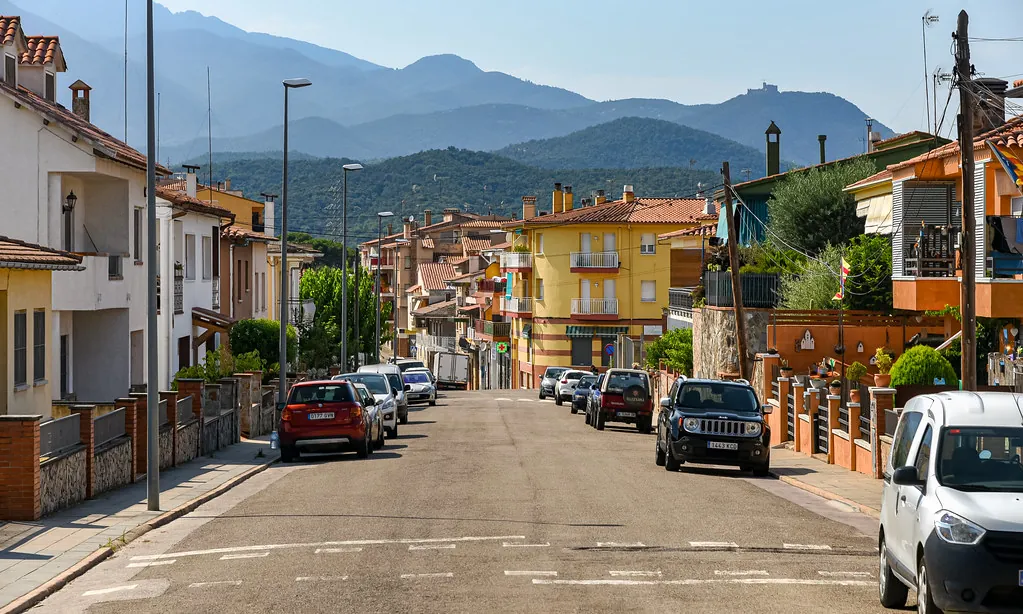
Historic communications crossroads; municipality with many housing estates and medieval remains
Ocultar artículo Leer artículo completo
The 09:12 from Barcelona-Sants slips past warehouses and scrapyards before the landscape softens into folds of cork oak and stone pines. Forty-three minutes later the train stops at a single-platform halt whose sign reads "Maçanet de la Selva". Most passengers stay seated, bound for Girona or the beach resorts beyond. Those who do step off find themselves in a place that feels several turns off the main road of modern tourism.
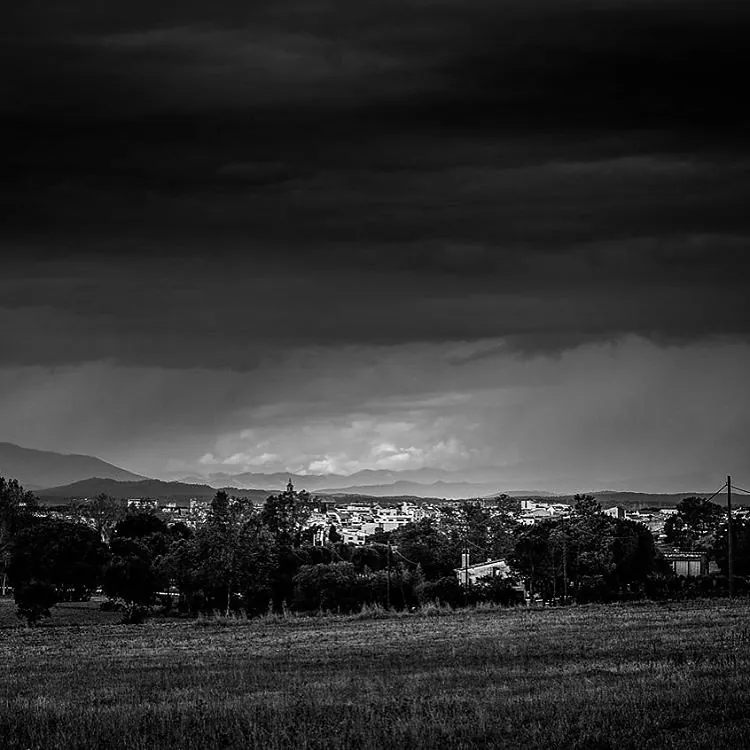
At 100 metres above sea level, the village sits in the dip between the coastal plain and the Gavarres hills, close enough to the Costa Brava for a day on the sand yet insulated from summer crowds. The air smells of resin and damp earth rather than sunscreen, and English is rarely heard. Catalan is the working language; even Spanish arrives with an accent that locals swear they can trace to the next valley.
A Working Town, Not a Theme Park
Maçanet makes no effort to court visitors. The main street carries heavy lorries to the industrial estate, and the weekly market (Friday mornings on Plaça de l’Església) sells socks and cheap bras alongside local produce. That matter-of-fact atmosphere is, paradoxically, what some travellers crave. Elderly men still play cards under the plane trees at dusk, and shopkeepers weigh out dry beans from sackcloth bags. If you want flamenco tablaos or souvenir fridge magnets, stay on the coast.
What the village does offer is space to breathe. The old centre, a tight grid of stone houses and wrought-iron balconies, can be crossed in ten minutes. At its heart stands the parish church of Sant Llorenç, a hybrid of Romanesque bones and 18th-century skin. The door is usually unlocked; inside, the cool darkness smells of candle wax and the previous Sunday’s incense. No ticket desk, no audio guide—just a printed sheet in Catalan inviting donations for roof repairs.
Cork, Cattle and Quiet Trails
Head uphill from the church and asphalt soon gives way to sandy tracks that wander through privately owned cork forests. The trees look armour-plated: thick, reddish bark cracked into rectangular plates where harvesters have stripped away the outer layer. Cork cutting ended here in the 1990s, but the woodland remains, laced with way-marked paths sturdy enough for families yet too modest to appear in international guidebooks. A circular route to the Santuari de la Mare de Déu del Collell takes ninety minutes; the reward is a stone hermitage perched on a bluff with views west to the Pyrenees on clear days. Take water—there is no café, and mobile coverage flickers in and out.
Cyclists use the same web of tracks. Mountain-bike hire is available from a garage on Carrer Indústria (€20 per day; cash only), but bring your own helmet—Spanish law insists on one, and the proprietor may not have your size. The terrain is rolling rather than dramatic, ideal for steady kilometres rather than Strava KOMs.
Feeding Time
Lunch options are limited and obey rigid hours. Most kitchens close at 15:30 and reopen after 20:30; between times you will be offered a toasted sandwich and little sympathy. Can Xevi, halfway down the high street, does a dependable three-course menú del día for €16.50. Expect butifarra sausage with white beans, followed by crema catalana whose caramelised sugar is still warm from the blow-torch. Service can stretch to an hour even when only four tables are occupied—plan accordingly, and don’t wave frantically for the bill; catch the waiter’s eye and mime signing a notebook.
Evening dining is more relaxed. Cal Tinet, in a converted farmhouse on the road out to Anglès, grills secreto ibérico over vine cuttings. The pork arrives pink in the centre, edged with paprika and salt. A half-litre of house red costs €4 and tastes better than it should. Reserve at weekends; locals drive in from Girona, and the place fills by 21:30.
Using the Village as a Base
Maçanet’s railway junction is its trump card. Trains run roughly hourly to Girona (18 min), Barcelona (70 min) and the coastal towns of Blanes and Lloret de Mar (both 25 min). A day-return ticket to the beach costs €6.40, and the last train back leaves Blanes at 21:38—late enough for sand-between-toes sunset but early enough for children’s bedtimes. If you hire a car, the volcanic landscapes of La Garrotxa are 50 minutes north, and the surreal Dalí theatre-museum in Figueres is an hour up the AP-7 toll road.
Accommodation is thin on the ground. Hotel Sèlvans occupies a modernised 19th-century textile mill beside the train line; rooms start at €85 including breakfast (strong coffee, cold meats, tomato-rubbed bread). The soundproofing copes well with passing freight trains, but light sleepers should ask for a courtyard-facing room. Self-catering apartments in restored farmhouses dot the outskirts; most require a seven-night stay in July and August and expect you to bring your own pool towels.
What to Know Before You Come
Monday is the weekly closing day: bakery, chemist, cash machine—everything. Fill up on Sunday evening or be prepared to drive to the next village. Credit cards are refused by several bars and the Friday market stalls; the nearest ATM hides inside the Caixa branch on Plaça Catalunya and often runs out of cash by midday. Mosquitoes rise from the surrounding rice fields in summer; repellent is essential after 19:00. Finally, Sunday train services thin to every two hours after 15:00—download the Rodalies timetable to avoid a platform siesta.
Worth the Detour?
Maçanet de la Selva will never compete with the hill-top drama of Ronda or the coastal polish of Cadaqués. It offers instead a slice of inland Catalan life where the bakery assistant still remembers how you like your coffee and the forest paths remain empty until the weekend dog-walkers arrive. Come for three nights, rent a bike, ride the train to the beach, and eat hearty food at half the coastal price. Leave before you expect fireworks, and the village will have done exactly what it promises: a quiet bed between the cork trees, nothing more, nothing less.