Full Article
about Massanes
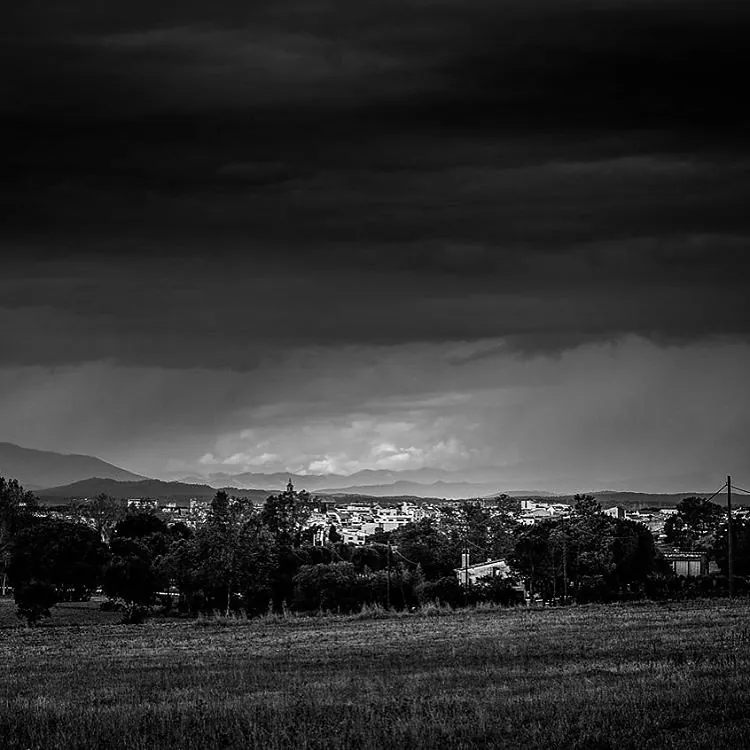
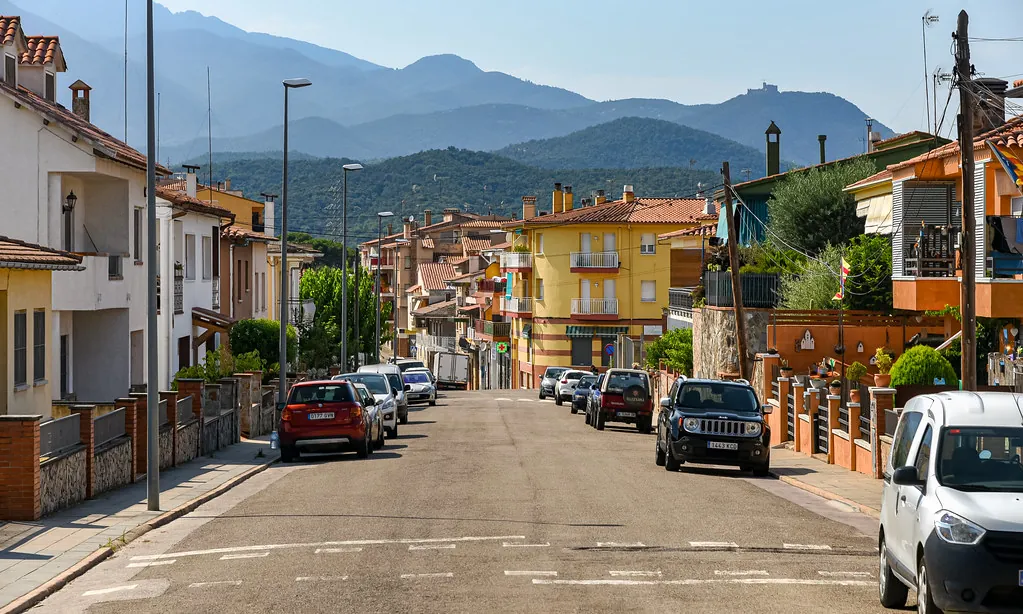
Scattered municipality near Hostalric; forested and agricultural landscape
Hide article Read full article
A Place You Might Drive Past
Some villages seem designed to be missed. You blink from the car window and you are already in the next one. Massanes could easily be one of those places if you do not stop. Yet the moment you step out and walk a little, it becomes clear that it runs on a different rhythm. Slower. More countryside than postcard.
Tourism in Massanes revolves around precisely that feeling. This is a small municipality in the comarca of La Selva, with fewer than a thousand residents, surrounded by gentle hills and Mediterranean woodland. It lies relatively close to Girona, but the atmosphere is very different. The pace here feels closer to that of a masía, a traditional Catalan farmhouse, than to that of a city.
There is no sense of spectacle. Massanes does not present itself as a destination that needs to impress. Instead, it offers something quieter and more grounded, shaped by agriculture and everyday routines rather than by visitor expectations.
A Village That Has Grown Gradually
Massanes retains an inland character that has not changed dramatically over time. The streets are narrow and straightforward, without decorative touches designed for quick photos. Stone houses line the way. Wide doorways open onto simple façades. Here and there, a courtyard still holds tools linked to farm work.
The village gives the impression of having expanded slowly, without large-scale urban planning. It feels as though it grew in the way a family house might grow: first an extra floor, then a shed, later another wall added when needed. The result is not perfectly symmetrical, but it makes sense within its rural setting.
Agriculture and livestock farming have shaped the landscape for generations, and that influence is still visible in the types of buildings that appear around the main cluster of houses. Practical structures stand close to the village, connected to fields and open land. Nothing seems ornamental. Everything appears to have had a purpose.
This continuity is part of what defines tourism in Massanes. Visitors do not arrive to see a carefully curated historic centre. They come, or happen to pass through, and find a living village that has simply carried on being itself.
Sant Esteve and the Heart of the Village
At the centre of Massanes stands the church of Sant Esteve. It is not a landmark that dominates the skyline from miles away, yet its importance becomes clear as you approach.
Sant Esteve has the solid look typical of rural Catalan churches. Thick walls give it a robust presence. Over the years it has undergone various alterations, which have accumulated without erasing its character. The building sits calmly on the square, acting as a focal point for the surrounding streets.
Much of the local life gathers around this area during celebrations and community events. The church is woven into the rhythm of the village. It is easy to imagine generations entering through the same doorway for baptisms, festivals or ordinary Sundays.
There is no grand narrative attached to it here, just a steady presence. In a place the size of Massanes, that is enough to anchor the centre.
Paths, Masías and the Landscape of Inland La Selva
If anything truly defines Massanes, it is what lies beyond the houses. Leave the centre and rural tracks appear almost immediately, winding between holm oaks and cork oaks. The landscape of inland La Selva reveals itself gradually, with woodland giving way to cultivated fields and then closing in again.
Some of these paths lead to scattered masías. A few remain inhabited. Others sit partly hidden among the trees, as if they had stepped back from view. Built in stone with sloping roofs and broad plots of land around them, they represent a type of architecture that makes sense in an agricultural setting. They are practical homes first and foremost.
Walks in the area are not demanding. They tend to be calm rather than challenging. Short trails connect with stretches of dirt track, and cultivated land opens between wooded sections. In summer many of the small streams run dry, yet the overall landscape keeps its deep green tone, characteristic of this part of La Selva.
The appeal lies in the simplicity of moving through it. There are no dramatic viewpoints described here, no marked epic routes. Instead, there is the steady alternation of field and forest, farmhouse and track, under the steady Mediterranean light.
Quiet Roads and Unhurried Exploration
Getting around Massanes suits those who enjoy walking or cycling without watching the clock. Secondary roads carry little traffic and link several villages in the surrounding area. The atmosphere remains rural and largely unhurried.
Rain changes the experience. Some of the paths become heavy underfoot, and mud can cling stubbornly to bicycle wheels. These are ordinary realities in the countryside. They are part of what keeps the place grounded in daily life rather than polished for tourism.
For a short stroll or a relaxed outing, the area works well. It is not presented as a setting for vast, demanding adventures. It is a place for steady progress and for looking around rather than rushing ahead.
Traditions That Shape the Year
In small villages, the calendar often still revolves around local festivities. In Massanes, the Festa Major, the main annual celebration, usually concentrates much of the social atmosphere when summer arrives. For a few days the rhythm shifts.
Communal meals appear. Music is played outdoors. Gatherings stretch late into the evening. The square around Sant Esteve becomes more animated, and familiar spaces take on a slightly different energy.
The custom of lighting bonfires for Sant Joan is also maintained, a tradition widely observed in this part of Catalonia. Sant Joan marks the summer solstice with fire and community gatherings, and in places like Massanes it continues as part of the shared routine of the year.
There is no calendar packed with large-scale events. That simplicity is part of the appeal. The celebrations feel close to the community that organises them, shaped by neighbours rather than by outside expectations.
Massanes does not try to compete with the better-known towns of the province. It is more the sort of place discovered by chance, perhaps because you were nearby and decided to pause. A short walk, a glance at the surrounding hills, the quiet presence of Sant Esteve, and the pattern becomes clear. There are no grand statements here. Just rural life, exactly as it is.