Full Article
about Sils
Known for its restored pond; municipality with many housing estates
Ocultar artículo Leer artículo completo
The 07:13 train from Girona drops you at Sils platform at 07:28. No ticket barriers, no taxi rank, just a single bench and the smell of wet grass from the irrigation channel behind. By 07:35 the station car park is empty again; the commuters have vanished into the pine-and-plastic industrial estate, and the village reverts to the low hum that persuades British visitors they’ve stumbled on something secret.
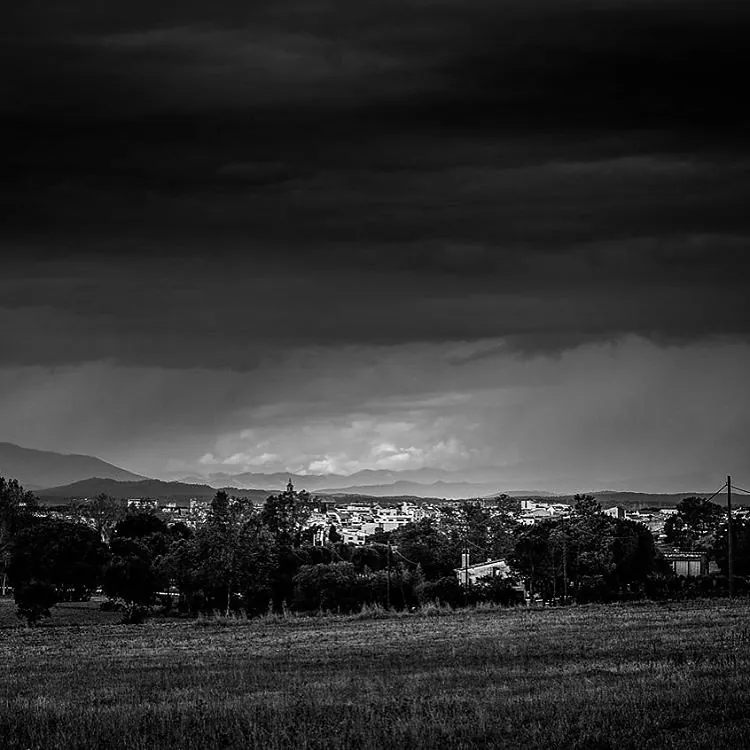
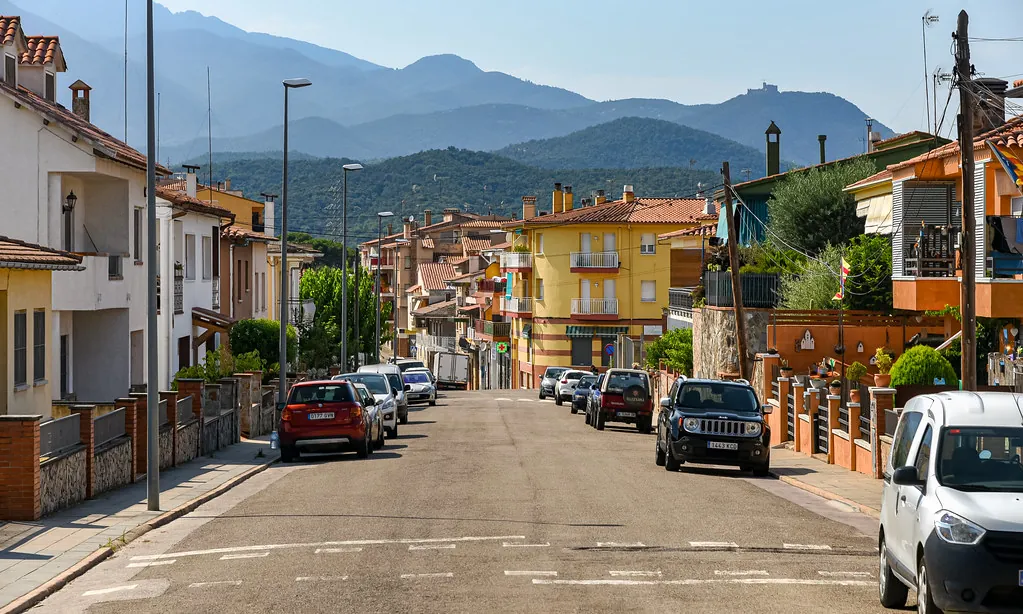
They haven’t. Sils is simply a working Catalan parish of 5,800 souls that never got round to putting on a show. It sits 76 m above sea level on the old Via Augusta, halfway between the Costa Brava’s towel-lined beaches and the Pyrenean foothills. Romans, Iberians and charcoal burners all passed through, but none stayed long enough to build a theatre or a gift shop. What remains is a grid of quiet lanes, 19th-century terraced houses painted the colour of dried oregano, and a square dominated by the church of Santa Maria – a competent but unshowy 18th-century rebuild that opens for Mass and little else.
The Lake That Forgot to be Famous
Ten minutes’ pedal south of the railway line, the Estany de Sils appears so suddenly it feels like a cartographical error. Once a vast lagoon, it was drained in the 19th century to plant rice and later strawberries. The water has been creeping back since the 1990s, and today 200 ha of reed bed and birch carr form the most undramatic nature reserve you’ll ever love. Raised boardwalks keep trainers dry, and interpretation panels give English names for the birds: purple heron, great reed warbler, the occasional osprey that’s taken a wrong turn from the Ebro delta. On a May morning you’ll share the path with three elderly dog-walkers and a German with binoculars the size of coffee tins. By July the Germans have been replaced by families from Barcelona who park on the verge, shout at each other, then leave after twenty minutes when they realise there is no bar. Come early, bring water, and the place is yours.
Flat, sign-posted cycle tracks link the lake to the village and continue 12 km east to the medieval ramparts of Girona. The tarmac is smooth enough for hybrid bikes; half-day hire at Girona rail station costs €12 and the ride is shaded almost the entire way by plane trees and poplars. Turn left at the ruined masia and you can loop back through Riudellots de la Selva, adding 8 km and a café con leche at Bar L’Amistat, where the owner still measures milk with the same tin jug he used in 1987.
Lunch at Ground Level
Sils does not do tasting menus. It does three-course “menús del día” for €14–16, wine included, served between 13:30 and 16:00 sharp. Can Llong, on the corner by the pharmacy, prints an English translation but the regulars order in Catalan; follow their lead and you’ll eat roast chicken with bay-scented chips and a pudding that tastes of burnt sugar and childhood. Cal Xic, halfway down Carrer Major, offers a lighter compromise: tomato-rubbed bread, padron peppers and bombas (potato croquettes laced with paprika) that even British teenagers accept as “basically fancy chips”.
Wednesday is market day. Stallholders set up before eight and pack away by one, leaving only the smell of straw and the occasional escaped lettuce leaf. Honey sold in re-used whiskey bottles costs €5; tomatoes still warm from the greenhouse cost less than the plastic bag you put them in. Stock up here before heading to the coast – in Platja d’Aro the same tomatoes appear on supermarket shelves at triple the price.
A Roof for the Night, or the Month
Accommodation is thin on the ground, which keeps the village honest. The three-star Hotel La Selva has 36 rooms, a pool you can swim lengths in before breakfast, and week-night rates that drop to €55 if you arrive with a rail ticket and ask politely. Two rural B&Bs occupy restored farmhouses outside the centre; they offer kitchen access and long-stay discounts for cyclists preparing the Girona-Costa Brava loop. August books solid with Spanish engineers escaping Barcelona’s heat; May and late-September glide in at 24 °C and half the price.
Getting There, Getting Out
Ryanair lands at Girona from Stansted, Manchester, Bristol and Edinburgh. A taxi to Sils takes eight minutes and costs €18; the 20-minute bus is €2.30 but only runs twice a day. From Barcelona Sants take the regional train towards Portbou and change at Girona – total journey 70 minutes, €12. A hire car is useful only if you plan beach-hopping; the village itself is walkable end-to-end in twelve minutes, and the lake cycle path starts 300 m from the station.
Day trips are almost embarrassingly easy. Girona’s old town (15 min by train) supplies Game-of-Thrones stone and riverbank ice-cream. The beaches of Castell-Platja d’Aro are 25 minutes by car, 40 by bus, and quiet before 11:00 even in August. Head north and the volcanic landscapes of Garrotxa begin half an hour away; south-west, the Montseny massif climbs to 1,700 m and offers proper mountain hikes without the Pyrenean crowds.
The Catch
Sils closes early. By 22:00 the only lights still on belong to the petrol station and the chemist’s green cross. If you want flamenco, karaoke or even a pint of lager, stay in Lloret and put up with the noise. Rain arrives suddenly in October and can hang around for days; the lake paths flood, and the smell of damp chaff drifts through the streets. Winter is mild but misty, and the church bells mark quarters of an hour you’d rather not count.
Worth It?
As a base, Sils makes almost too much sense: cheaper than Girona, calmer than the coast, and small enough that the bakery assistant remembers your order by day three. As a destination in itself it offers a slice of inland Catalonia that guidebooks usually skate over – one where industry and agriculture coexist, where the waiter switches to English with a grin rather than a sales pitch, and where the loudest sound at night is the 22:47 freight train rattling through on its way to France. Stay a couple of days, fill your basket at the Wednesday market, then let the 07:13 carry you back to the airport before the village has finished its coffee.