Full Article
about Vidreres
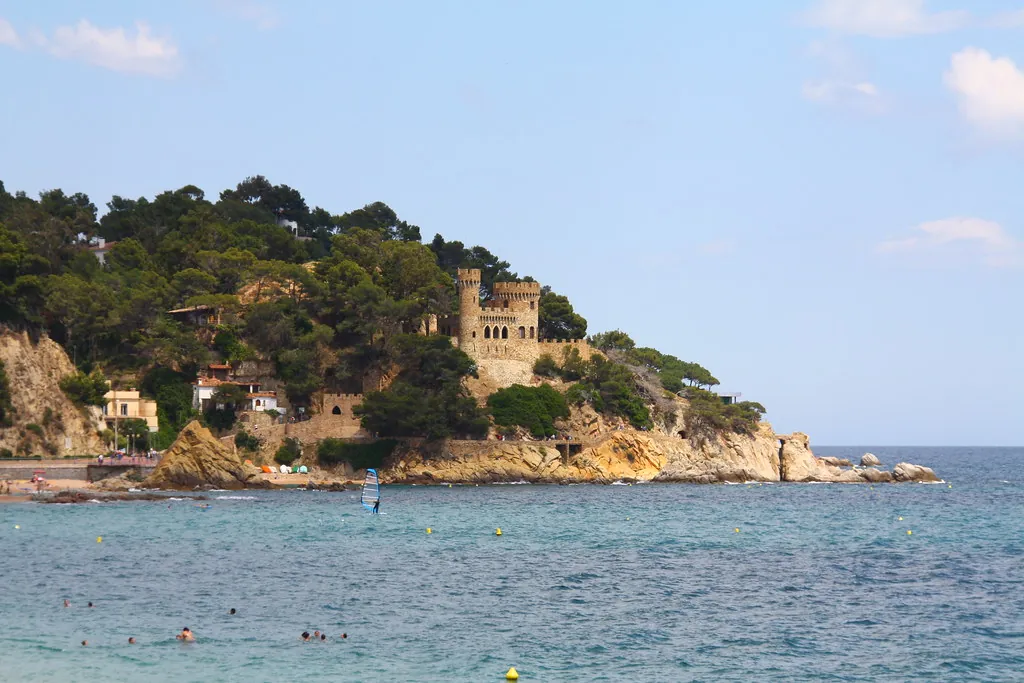
Municipality with a cork-making tradition and many housing developments; Sant Iscle castle
Ocultar artículo Leer artículo completo
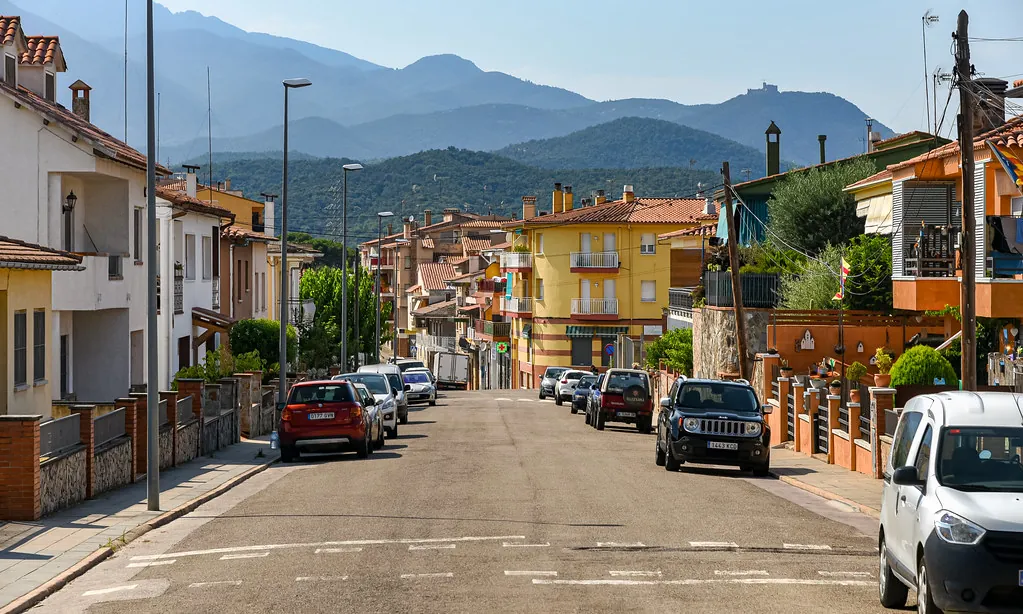
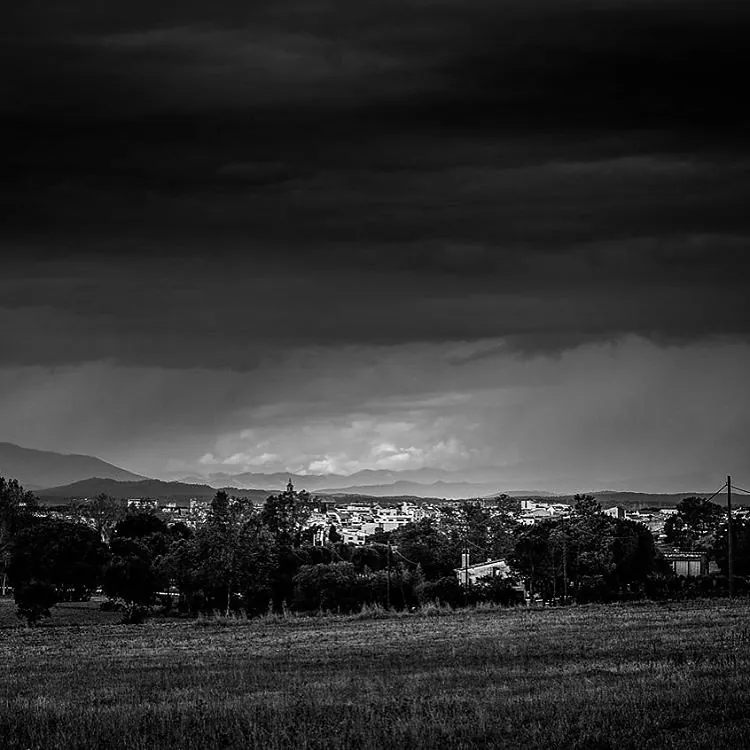
The first thing you notice about Vidreres is what it isn't. No honey-coloured stone archways, no geranium-draped balconies, no medieval hilltop drama. Instead, a straight high street lined with 1970s apartment blocks and a petrol station that doubles as the best coffee stop for miles. This is Catalonia's working interior—flat, practical, and utterly indifferent to the Costa Brava fantasy that begins just fifteen kilometres east.
At 93 metres above sea level, Vidreres sits in the trough between the coastal range and the Montseny massif, which explains the breeze that carries the smell of cork oak and grilled meat across the main road at midday. The town's 8,339 residents treat tourism as a mild inconvenience that happens to other places. They'll sell you a beer, certainly, but won't perform quaintness for it. This refusal to play along is either refreshing or disappointing, depending on what you drove here expecting.
The Church, the Chicken, and the Cork Forest
Sant Esteve church squats at the town's centre like a medieval bulldog that's had Victorian extensions grafted onto its ribs. The original Romanesque bones survive in the bell tower, but successive centuries have added Baroque flourishes and a rather severe neoclassical façade. Inside, the air smells of beeswax and old stone—no audio guides, no gift shop, just a notice board advertising next week's blood donor session and a handwritten plea to keep mobile phones silent.
Five minutes' walk north, Can Pou restaurant has been serving the same charcoal-grilled chicken since 1978. The secret is the romesco sauce, made daily with almonds from neighbouring Santa Coloma and peppers that arrive by the crate from local greenhouses. A quarter chicken with chips costs €8.50, which explains the queue of truck drivers at 1pm sharp. They eat standing at the bar, exchanging rapid-fire Catalan while the television shows grainy football highlights. Tourists get directed to the back room, where tablecloths disguise the fact that you're paying the same price for identical food.
Beyond the last roundabout, the cork oak forests begin. These aren't manicured parklands but working woodland where men still strip bark every nine years using axes that haven't changed design since their grandfathers' time. The trees bleed rust-red sap where the bark's been removed, looking wounded until you realise this process keeps them alive for centuries. Two marked walking circuits—green and yellow—thread through the forest for 4km and 7km respectively. Neither qualifies as hiking; they're flat, shady rambles designed for Sunday digestion rather than Strava glory. Bring insect repellent in summer; the mosquitoes here are industrial-strength.
Market Day Mathematics
Sunday morning transforms the high street into a functional maze of tarpaulin stalls. The market starts at 8am and finishes exactly at 1:30pm—no latecomers served, no exceptions. Local grandmothers arrive armed with wheeled shopping trolleys and conduct detailed cost-per-kilo calculations aloud. By 11am, British visitors are easy to spot: they're the ones looking bewildered by the fish stall's display of entire octopuses, or attempting to buy six tomatoes when the vendor clearly expects you to purchase by the kilo.
Prices drop by 30% in the final half-hour as stallholders weigh up Sunday lunch against unsold stock. This is when you'll see Catalan families buying twenty artichokes at once, or arguing over the last portion of calcots—giant spring onions that demand their own dipping sauce and considerable dry-cleaning budget. The cheese man speaks enough English to explain his goat's milk varieties, but you'll need Google Translate to discover that the pale sausage contains both pork and wild boar, or that the flat beans require overnight soaking.
The Beach Dilemma
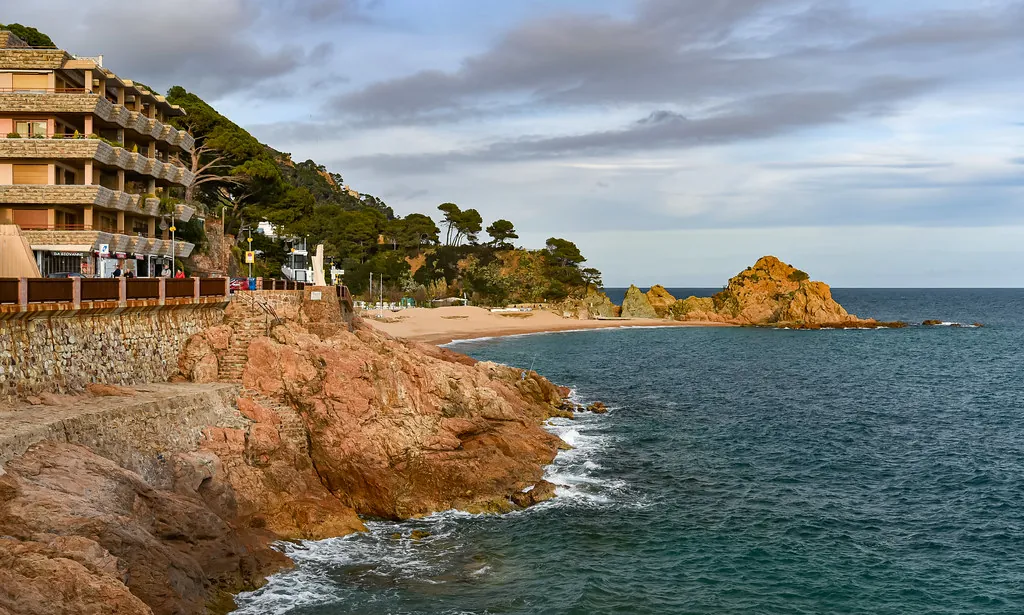
Here's the practical reality: Vidreres works best as a base camp rather than a destination. Tossa de Mar's sandy crescent lies eighteen minutes east by car, Lloret de Mar's package-holiday chaos twelve minutes beyond that. The trick is timing. Leave Vidreres at 9am, park in Tossa before the day-trippers arrive, swim, lunch on grilled sardines at Bar El Caliu, then retreat inland by 3pm as the coach tours disgorge their cargo. Back in Vidreres, shops have reopened after siesta and the evening breeze carries the smell of pine rather than sunscreen.
Winter reverses this equation. From November to March, the coast feels abandoned—many restaurants close, hotels board up, and the Tramontana wind whips sand across empty promenades. Vidreres, meanwhile, maintains its rhythms regardless. Saturday evening means calçotada competitions in the community centre, where teams compete to grill the longest onion without burning the exterior. January's Sant Antoni festival involves bonfires and blessed animals; locals bring dogs, obviously, but also pet rabbits, a rescued owl, and one year, a Shetland pony dressed as a dragon.
Getting Stuck, Getting Unstuck
Public transport exists in theory. A bus connects Vidreres to Maçanet-Massanes station twice daily, except Sundays when it doesn't run at all. From Maçanet, regional trains reach Barcelona in 70 minutes or Girona in 25. Missing the 8am connection means a €20 taxi ride to the coast, which rather defeats the purpose of budget travel. Car hire isn't optional here—it's essential.
The nearest airport is Girona, twenty-five minutes north on the AP-7 toll road. Ryanair's routes from London-Stansted, Manchester and Bristol make this feasible for long weekends, though Friday evening flights arrive after the car hire desks close. Stay overnight at the airport's Holiday Express, collect keys at dawn, and you'll reach Vidreres in time for coffee before the church bell strikes nine.
When to Admit Defeat
Let's be honest: some visitors should skip Vidreres entirely. If your heart's set on hilltop castles and sea views, the flat grid of modern housing will disappoint. The town's charm lies in its refusal to charm—an authenticity that manifests as hardware shops selling agricultural implements rather than souvenir fridge magnets. Come here for cheap menus, forest walks, and the peculiar satisfaction of being the only foreigner in the bakery queue. Don't come seeking Instagram perfection; the most photogenic angle is probably the petrol station's coffee machine, and even that requires careful framing.
Yet for those willing to trade postcard views for cultural access, Vidreres offers something increasingly rare on the Costa Brava: Catalonia without the performance. The chicken really is that good, the forest walks genuinely empty, and the old men in the bar will eventually acknowledge your presence with a nod—provided you order in Catalan, tip in coins not notes, and don't ask for the Wi-Fi password during the football.