Full Article
about El Pont Darmentera
Ocultar artículo Leer artículo completo
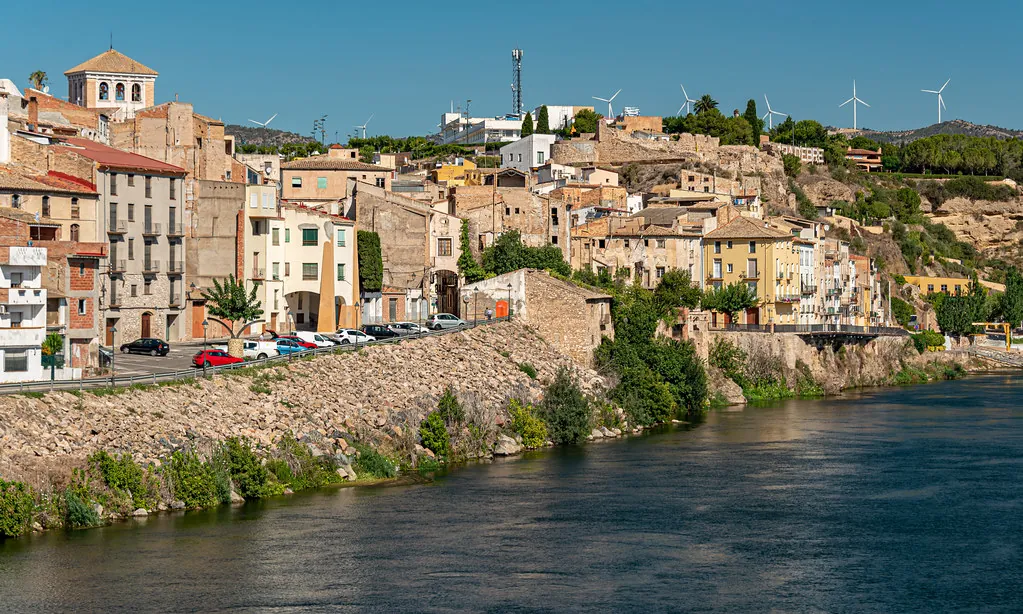
Half-way between Tarragona’s Roman stones and the fortified walls of Montblanc, the C-14 dips sharply, the coach parties disappear, and a single-lane bridge throws a 700-year-old shadow across the Gaià river. Pull over here and you’re in El Pont d’Armentera, population 500, altitude 349 m, where the only traffic jam is caused by a farmer manoeuvring a trailer of pruning shears.
The village that forgot to modernise (almost)
No souvenir stalls, no multilingual menus, not even a proper square. Instead, narrow lanes of honey-coloured stone end abruptly at vineyards, and the church bell still marks the hours for field workers rather than selfie sticks. Houses are low, topped with cracked terracotta and wooden balconies that sag under pots of rosemary. A couple of 1990s breeze-block garages intrude, but the overall impression is of a place that reached its architectural climax around 1780 and saw no reason to continue.
Inside Sant Pere, the parish church, that sense of arrested development continues. The Gothic doorway is original; the rest was patched up after a roof fire in 1892 and again during the Civil War, when the bell was melted for scrap. Look for the small wooden plaque by the altar: it lists the 14 local men who left for the front in 1936; only seven came back. No guided tour will point it out—you either notice it or you don’t.
A walk that starts in the fridge and ends in the oven
From the bridge, a farm track shadows the river north. For the first kilometre the air is cool, almost damp, thanks to poplars and wild cane that thicken into a green tunnel. Kingfishers flash turquoise if you keep your voice down. Then the path climbs, the canopy thins, and within ten minutes you’re on an open ridge staring across the Alt Camp, a rolling checkerboard of vine rows and almond terraces that glows bone-white in July.
The loop to neighbouring Querol is 8 km, signed but faintly; download the GPX before you set off because phone signal vanishes in the barrancs. Take water—there’s no bar until Querol, and that one closes on Tuesdays. In May the slope is carpeted with scarlet poppies; by mid-September the same ground crunches with discarded vine leaves smelling of tannin and earth.
Wine without the theatre
El Pont itself has no show-bodega, no gift-shop corkscrews. What it does have is a cooperative cellar on the road out towards Vallmoll whose roller door is open every weekday from 08:00 till noon. Roll up with an empty plastic bottle and two euros and the duty manager will fill it straight from the steel tank—young white made from Macabeu grapes, cloudy, slightly spritzy, perfect for a picnic. If you insist on labels, head 12 km south to the monastery estate at Scala Dei; but you’ll pay €18 a bottle for essentially the same juice once the marketing department has added a cork and a story.
Serious tastings can be arranged at Clos de la Sarsa in nearby Bràfim (book 48 h ahead, English spoken). Their cellar door is a converted stable; the winemaker’s dogs will escort you round the vats while she explains why 2021 was a nightmare for mildew. Expect to spit—a 14 % red at 11 a.m. feels less romantic when you’re still driving.
What to eat when nobody’s watching
There is one restaurant, Can Xaxu, tucked into the ground floor of a 19th-century townhouse opposite the bakery. The dining room seats 30 if everyone breathes in, the menu is chalked daily, and the proprietor still hand-writes the bill. Start with coca de recapte, a thin sheet of bread topped with escalivada (smoky aubergine and red pepper), then move on to botifarra amb mongetes: pale pork sausage, grilled until the skin snaps, served with white beans and a drizzle of the cooperative’s olive oil. Pudding is usually crema catalana finished under a hot iron so the sugar forms proper shards. Three courses, water and a carafe of young red costs €19; cards accepted, but the terminal sometimes refuses foreign chips—cash is king.
If you’re self-catering, the bakery opens at 06:30 and sells out of coques by 10. Wednesday adds a fruit stall and a woman from the next valley who brings fresh goat’s cheese wrapped in chestnut leaves. Buy early; by 13:00 she’s gone and the cheese won’t keep without a fridge.
When to come, and when to stay away
April and late October are the sweet spots: temperatures sit in the low 20s, the vines flaunt either blossom or rust-red foliage, and the light is soft enough for decent photographs without filter abuse. Mid-summer is punishing—35 °C by 14:00, cicadas screaming, dust coating every leaf. If you must visit in July, walk early, nap in the car with air-con, re-emerge after 17:00 when long shadows stripe the lanes and the bakery has restocked cold beer.
Winter is honest rather than pretty. Mist pools in the river gorge, wood smoke drifts across the road, and the baker sells little rings of pastry flavoured with anise and brandy. Days are short; by 17:30 the village feels abandoned. Bring a coat—the altitude makes nights surprisingly sharp—and don’t expect dinner after 21:00; Can Xaxu shuts when the last table finishes, usually around nine.
The practical bits no-one prints
Getting here: Fly to Reus (Ryanair from London, 2 hrs) and collect a hire car. Take the AP-7 south, exit 28 towards Valls, then follow the N-240 and C-14. Total drive 45 minutes. Public transport exists but only on school days: one bus leaves Tarragona at 07:15, returns at 14:00; miss it and you’re sleeping among the vines.
Parking: Stay on the main road and use the gravel strip before the bridge. The old quarter is a dead-end designed for mules, not Golfs.
Language: Catalan first, Spanish second, English barely. Learn “Bon dia” and “Un cafè amb llet, si us plau” and you’ll be greeted like a prodigal cousin.
Cash: The only ATM is in the bakery wall; it runs dry at weekends. Fill your wallet in Tarragona or Valls before you arrive.
Leave before you’re bored (or stay and become part of the furniture)
Two hours is enough to see the bridge, the church, drink a coffee and buy a wheel of cheese. Four hours lets you walk the river loop, taste wine at the cooperative and still reach Montblanc for lunch. Attempt to fill a whole weekend and you’ll end up inventing errands—counting almond trees, photographing door-knockers, re-reading the menu in Can Xaxu. That’s not necessarily a complaint; some travellers crave places where nothing happens. If you’re one of them, book the village’s only rental cottage (two bedrooms, beams, no Wi-Fi) and watch the week slide by in a haze of fresh bread, mountain air and early nights. Otherwise, treat El Pont d’Armentera as Catalonia’s palate cleanser: a quiet mouthful between the grandeur of Tarragona and the wine-buffed gloss of the Penedès. Drive in, breathe, move on—refreshed, slightly scented of smoke and olive oil, and only €19 lighter.