

Full Article
about Altafulla
Charming coastal town with a walled medieval old quarter and a Roman villa that's a UNESCO World Heritage site.
Hide article Read full article
A Place That Doesn’t Shout
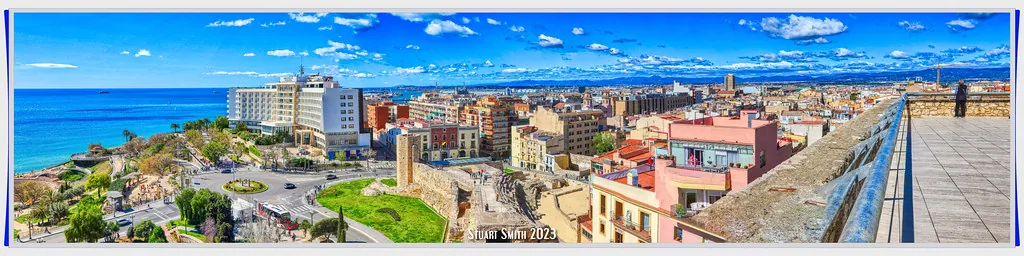
Altafulla feels like the neighbour who keeps something valuable tucked away and never makes a fuss about it. There is an important Roman villa, a well-preserved walled medieval quarter and a calm beach. Even so, it lives in the shadow of louder names along the Costa Dorada.
Arriving here, the shift in atmosphere is immediate. One moment it is an ordinary street, the next the Vila Closa appears. The change of scene is abrupt: cobbled lanes, stone houses, an archway that looks like the entrance to a medieval set. Then reality steps back in. Someone walks out carrying shopping bags, a dog watches passers-by with quiet judgement, and daily life carries on inside the walls.
Between Centuries
The Vila Closa is the natural starting point. It can be explored freely, and within minutes there is a sense of a place that has altered very little over time. The current walls date from the modern period, although their layout recalls enclosed medieval towns. The structure remains, even if the surface has been updated.
What stands out is that people still live here. Towels hang from balconies, bicycles lean against walls, plants sit by doorways. It is not a preserved monument but a lived-in space. The contrast between its age and its everyday rhythm gives it a different kind of presence.
A short walk away lies the Roman villa of Els Munts. The jump in time is considerable. This was a summer residence for prominent families from Tarraco, the Roman city that once stood where Tarragona is today. It is often said that even an emperor may have passed through at some point.
Today, the site consists of archaeological remains supported by information panels that help piece together its original scale. There are mosaics, thermal baths, courtyards and rooms used for banquets. It resembles, in Roman terms, a large house designed both for comfort and for receiving guests.
A Different Pace by the Sea
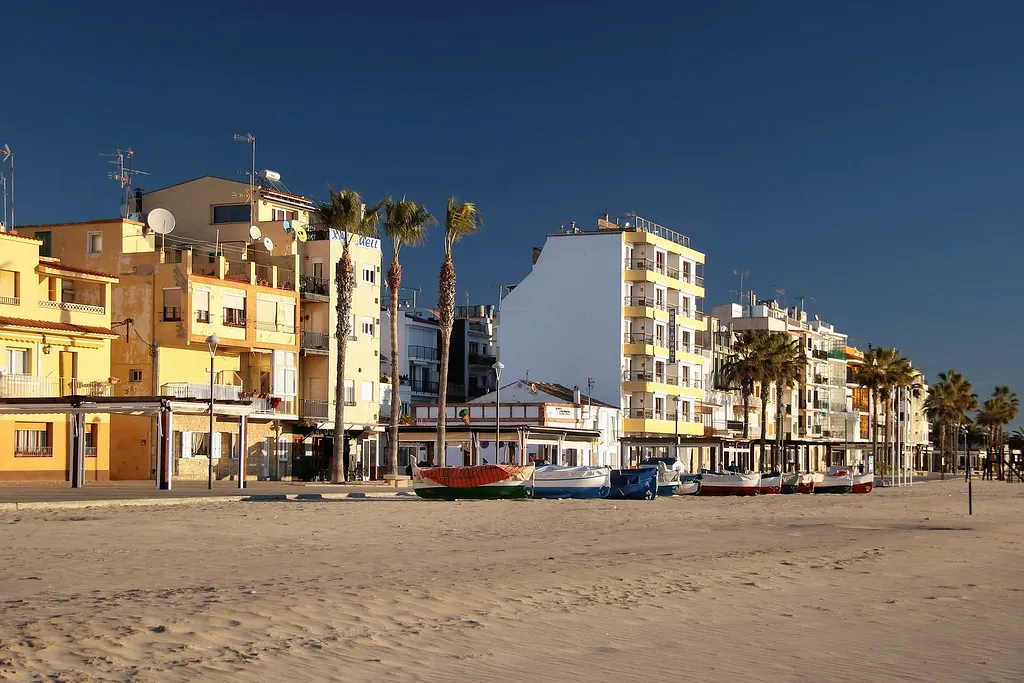
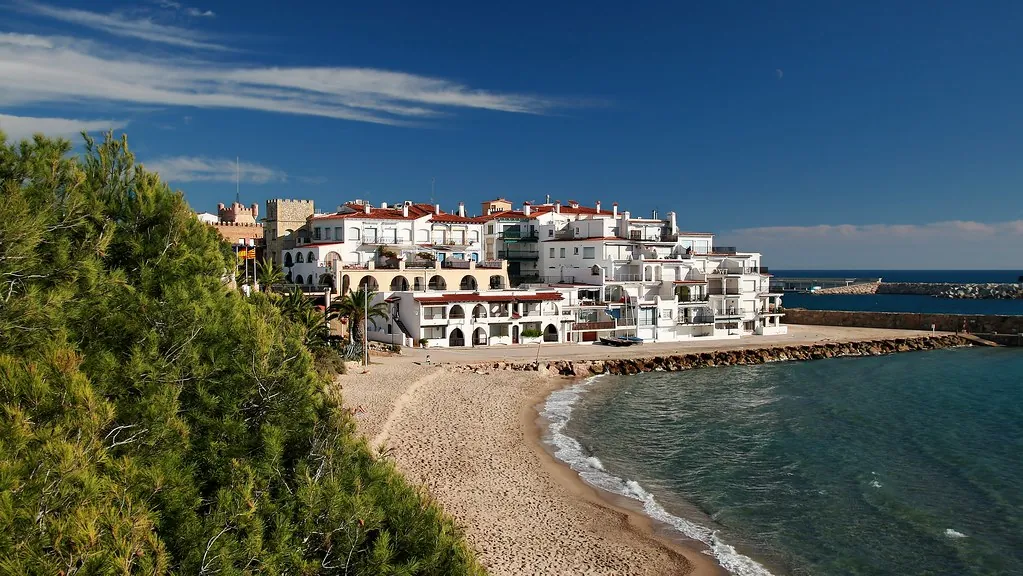
Altafulla’s beach follows a different rhythm from other parts of the Costa Dorada. There is no sense of loud seafronts or long rows of sun loungers. Instead, the atmosphere is quieter. Families from the town, older residents in the shade, children building sandcastles and people arriving on foot all shape the scene.
There are a few chiringuitos, simple beach bars where it is possible to stop for something to eat. Dishes stay close to familiar flavours from the region. Patatas bravas appear done with care, crisp on the outside, soft inside, with the sauce balanced rather than overpowering.
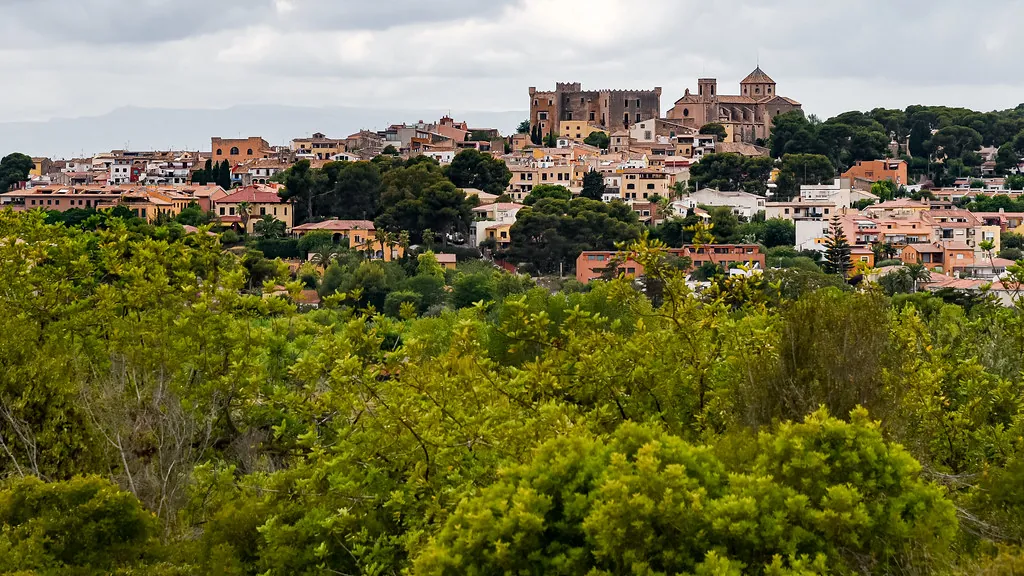
From the sand, the castle of Altafulla is clearly visible. Historically linked to the Montserrat family, it has more the appearance of a stately residence than a defensive fortress. It is not always open to visitors. Occasionally, the interior is accessible for specific events or guided visits, but at other times it remains closed, leaving only the exterior to be observed from below.
A Scientist in an Unexpected Place
Altafulla is also the birthplace of Antoni de Martí i Franquès, a scientist from the late eighteenth century who devoted years to studying the composition of air. His work on nitrogen was considered advanced for the time. He was connected to the former Hospital de Peregrinos in the town, a building that still stands today as part of its historical fabric.
His presence here is somewhat unexpected. Small coastal towns are not usually associated with figures like this, which makes the connection more striking.
Altafulla is also included in the “Paisaje de los Genios”, a cultural route linking several locations in the Camp de Tarragona tied to well-known figures such as Gaudí, Picasso, Miró and Pau Casals. In Altafulla’s case, the link is often made with Pau Casals and his connection to the area, as well as to the calm atmosphere that defines this stretch of coastline.
Familiar Flavours, No Fuss
Food in Altafulla leans on recognisable dishes from Tarragona. Coca de recapte is one of them: a thin base topped with roasted vegetables and sometimes salted fish. It is simple and filling, the kind of dish that does not need much explanation.
Xató is also common in the area, known for its rich sauce made with nuts. It appears regularly on local tables. In winter, coca de Sant Blas becomes more visible, a traditional sweet prepared around that time of year in homes and bakeries.
A Place That Moves Differently
As the day draws to a close, the light shifts around the Vila Closa. The stone takes on warmer tones, and the pace slows even further. In the square, children play, while neighbours sit outside their doors talking without urgency.
Altafulla works in this understated way. It does not try to draw attention to itself. Spending time between the old quarter, the Roman remains and the beach gradually reveals its appeal. It is not about having an endless list of things to do, but about how everything unfolds at a different speed. And sometimes, that is exactly what is needed.