Full Article
about El Morell
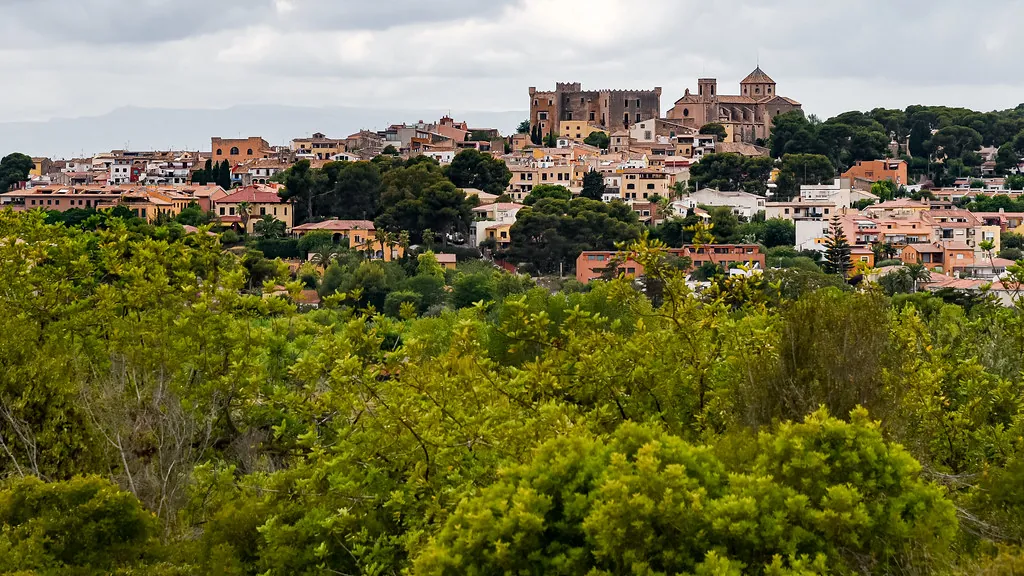
Active town with a Baroque castle-palace and gardens near the petrochemical complex.
Hide article Read full article
A village that sounds before it wakes
The machinery of the petrochemical complex makes itself heard early in El Morell, sometimes before sunrise. A steady hum settles into the background, blending with birds in the almond trees on the outskirts. From the cemetery, on a clear day, Tarragona appears to the east. Between the two stretch plots of vineyard and fields that turn a dry, dusty yellow in summer.
On a Sunday morning the village carries the smell of fresh bread and roasted coffee drifting from a corner bar, its shutter half lowered to keep out the sun. Nothing here feels staged. El Morell is home to just under four thousand people, shaped by its proximity to industry and by agriculture that still lingers around the edges of the municipality.
During the week, many residents head towards industrial estates or into Tarragona. At the weekend the pace shifts. Life gathers more tightly around the Plaça de la Vila, where an old olive tree offers welcome shade when the heat builds. Plastic chairs scrape across the ground. Someone is always talking about the latest match or the next work shift.
The taste of nearby land
On Sundays, coca de recapte often appears. It is not presented as a culinary attraction, just a familiar, everyday dish. The base is thin, the edges crisp, topped with escalivada prepared slowly. Peppers, aubergines and onions are roasted until their skins darken, filling the kitchen with a sweet, smoky scent that lingers for hours.
In many of the low houses in the old quarter, inner courtyards are still used once the weather warms. From the street they remain hidden, but around lunchtime the smell escapes: butifarra on the grill, bread rubbed with tomato to toast over the heat. Early in the morning, long-standing local shops show quiet movement. People step in for bread or cured meats for the weekend. Conversations begin with the weather and end with the almond harvest.
A small museum with a long view
In an old house in the centre, the municipal museum keeps a modest presence. It is the sort of place that can be walked through quickly if no one else is there, where the silence seems to linger in the interior courtyard.
The collection brings together objects from the area’s agricultural past. Vineyard tools, esparto grass baskets, and utensils that are not easy to recognise without explanation. There are also old photographs of El Morell from decades ago, when the surrounding landscape held more fields than industry. In some images, the first factory structures rise in the background, still surrounded by open land.
The person looking after the museum often remarks that the municipality is small, that everything sits close together: fields, houses, factories. In a place like this, change becomes visible quickly. Two photographs taken fifty years apart are enough to show it.
Paths through vines and almond trees
From one edge of the village, agricultural tracks lead out into the fields. Not all are signposted, yet many locals use them for a walk or to take the dog out at sunset.
In March, almond trees come into bloom. The air carries a soft, faintly sweet scent. White petals settle on the dry ground and crunch underfoot. Further along stand small stone constructions that once served as shelters for tools or a place to escape the sun.
On clear days, some points offer a glimpse of the Mediterranean shining beyond Tarragona. Closer by, the towers of the petrochemical zone rise with their red lights visible even in daylight. The contrast sits naturally within the everyday landscape.
A neighbour walking along one of these paths recalls how some routes once led to wells or small springs that have since disappeared. “The path stayed even though the water is gone,” she says, while her dog pauses at each rosemary bush along the way.
When to go and what to expect
El Morell does not follow a defined tourist season. Most of the movement comes from people in the surrounding comarca, visiting for the morning or spending time with family. On Saturdays, there is usually a market in the square. It is small, with an atmosphere shaped by unhurried conversation and cloth bags filled with vegetables.
August can feel intense. The sun falls almost vertically, and there is limited shade in the more open streets. By mid-morning, the asphalt releases that hot, dry smell that signals a long summer day. At those hours, the village grows noticeably quieter.
Winter brings a different clarity. When the north wind blows, cold air travels down from the Francolí valley and moves through the straight streets. Yet when the sun comes out, the light across bare vines and freshly worked fields reveals the land as it is: flat, cultivated, and calm, with industry in the distance and daily life continuing at its own steady rhythm.