Full Article
about Els Pallaresos
Residential town with modernist gems by Jujol, such as Casa Bofarull.
Ocultar artículo Leer artículo completo
The church bells strike noon just as the baker pulls down his shutters. In Els Pallaresos, this isn't siesta tradition—it's Tuesday. By 12:15, the only place still serving coffee is the petrol station on the N-420, and even that's a gamble.
Seven kilometres inland from Tarragona's Roman amphitheatre, this agricultural wedge sits at 124 metres above sea level—high enough to catch the breeze, low enough to feel the Mediterranean's lazy winters. What you notice first is the sound: not sea-spray or cicadas, but almond husks crackling under car tyres. The village is ringed by 300 hectares of orchards that turn white-hot with blossom each February, a brief snowstorm that Brits driving to PortAventura rarely realise they're passing through.
The House with the Spade Gate
Everyone agrees on one detour: Carrer de Dalt, number 8. Casa Bofarull looks like a farmhouse that swallowed a cathedral. Architect Josep Maria Pujol de Barberà added Modernista swagger in 1907—wrought-iron ivy, a front gate shaped like a pitchfork, an angel lightning-conductor that still works. The catch? You can't simply rock up. Tours run twice weekly and must be booked through the tourist office in Tarragona (€8, students €5). Miss the slot and you're left peering through keyholes like everyone else.
Inside, the surprise is scale: stone sinks big enough to bathe a pig, ceilings painted with agricultural constellations, a fireplace you could park a Fiat 500 in. Guides explain how the family grew wealthy shipping hazelnuts to Manchester—Catalan farmers funding northern cotton mills, a trade loop most history books skip.
Between Orchard and Commuter Belt
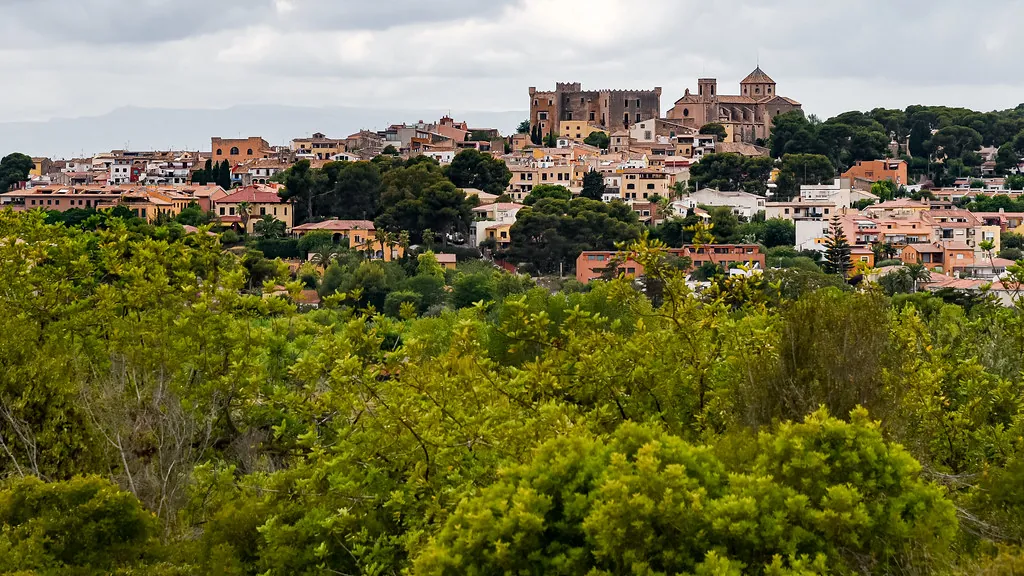
Els Pallaresos doesn't do postcard views. The old core is a grid of stone houses built flush to the street, their wooden doors painted the colour of ox-blood and algae. What it offers instead is breathing space. From the church square, marked footpaths fan out for 9 km through almond and olive terraces. None are strenuous; all are unsigned. Download the council's PDF beforehand or you'll end up in someone's vegetable patch.
Spring mornings smell of wet earth and pruned peach wood. Farmers still burn branch clippings in small domed kilns, the smoke drifting across the N-420 like a fog warning. Walkers share lanes with tractors hauling crates of artichokes; cyclists get waved past by retirees pruning vines. It's less wilderness, more outdoor staff room for the surrounding farms.
Come July the atmosphere flips. Thermometers hit 35 °C by 11 a.m.; the fields shimmer, cicadas drown out conversation, and the village empties as locals head to coastal second homes. August brings the Festa Major—brass bands, paella for 800, and fireworks that rattle greenhouse glass at two in the morning. Light sleepers should avoid the pension on Carrer Major; double-glazing is still a novelty here.
Eating Without the Coast Premium
Restaurant options fit on one hand. Can Boada, opposite the church, does a three-course lunch menu for €14 that starts with calçots in season (January–March). Staff happily demonstrate the peeling ritual for first-timers: pinch, strip, drag through romesco, attempt not to wear it. Vegetarians get escalivada—smoky aubergine and pepper that tastes of last summer's barbecue.
Evenings lean meatier. Grilled spring chicken arrives butterflied, crisp-skinned, seasoned only with olive oil and sea salt. Chips are proper hand-cut, not frozen. House wine is a young white from nearby Constantí; order "un vi blanc del país" and the waiter nods as if you've passed a secret test.
For self-caterers, the Saturday market (8 a.m.–1 p.m.) blocks the main road. Stalls sell hazelnuts still in their frilly jackets, artichokes the size of cricket balls, and pa de nous—a dense cake that keeps for a week if hidden from husbands. Supermarket choice is limited to a single Spar that locks its doors at 2 p.m. sharp; arrive at 1.55 and you'll queue with half the village.
A Base, Not a Destination
Els Pallaresos makes sense as logistics rather than highlight. Ten minutes' drive south drops you at PortAventura's car parks; fifteen minutes east finds Tarragona's Roman walls and proper espresso. Buses exist but finish early—miss the 7 p.m. and you're in a €25 taxi back from the coast. Hire cars trump public transport; free parking on Carrer Major fills by 9.30 a.m. when the market arrives, so use the poliesportiu car park behind the football pitch instead.
Accommodation is thin. Hostal El Pont has eight rooms above a bar that screens Champions League matches until late; request the back if you value sleep. Prices hover around €55 mid-week, €75 during fiestas. Air-conditioning is listed but interpreted generously. British guests note the absence of kettles; coffee is obtained downstairs or not at all.
When to Bother
February blossom weekends pull Catalan day-trippers, but weekdays stay quiet. Temperatures sit at 15 °C—jacket weather for Brits, T-shirt weather for locals. May adds wild poppies between the almond trunks and hikes the thermometer to a civilised 22 °C. October brings mushroom hunters and a dusty gold light that flatters stone; it's the kindest month for walking before the rains arrive.
Winter can be sharper than expected. At 124 m, frost isn't rare; the village recorded –3 °C last January. Almond farmers welcome it—cold hours mean better bloom—but hire cars may need de-icing. Snow is almost unheard of; when it last fell in 2018, the local paper ran a four-page souvenir edition.
The Honest Verdict
Els Pallaresos won't change your life. It has no beach, no Michelin stars, no souvenir shops flogging fridge magnets. What it offers is a slice of working Catalonia ten minutes from the coast: a place where bread is baked at 5 a.m., tractors have right of way, and the church bell still dictates lunch. Use it as a cheaper, calmer base for Tarragona and PortAventura, or as a half-day antidote to Roman ruins and roller-coasters. Arrive with a car, low expectations, and room in the boot for hazelnuts. Leave before the baker shuts, or you'll be drinking petrol-station coffee with the rest of us.