Full Article
about La Nou de Gaià
Quiet little village with a castle and romantic gardens near the coast
Ocultar artículo Leer artículo completo
The tractor arrives at seven-thirty. Not the rumble of rush-hour traffic you'd expect twenty kilometres from Tarragona, but a single Massey Ferguson delivering vegetables to the shop opposite the church. By eight, the driver has gone, the shopkeeper is arranging tomatoes on the pavement, and La Nou de Gaia has settled into its daily rhythm.
This village of 635 souls sits 93 metres above sea level in the Tarragonès region, close enough to smell the Mediterranean when the wind's right. The Costa Daurada's beaches lie fifteen minutes away by car, yet the holiday crowds never seem to find their way here. Instead, the countryside rolls out in waves of vineyards and almond groves, the earth rust-coloured in summer and emerald green after autumn rains.
The Village That Time Forgot to Rush
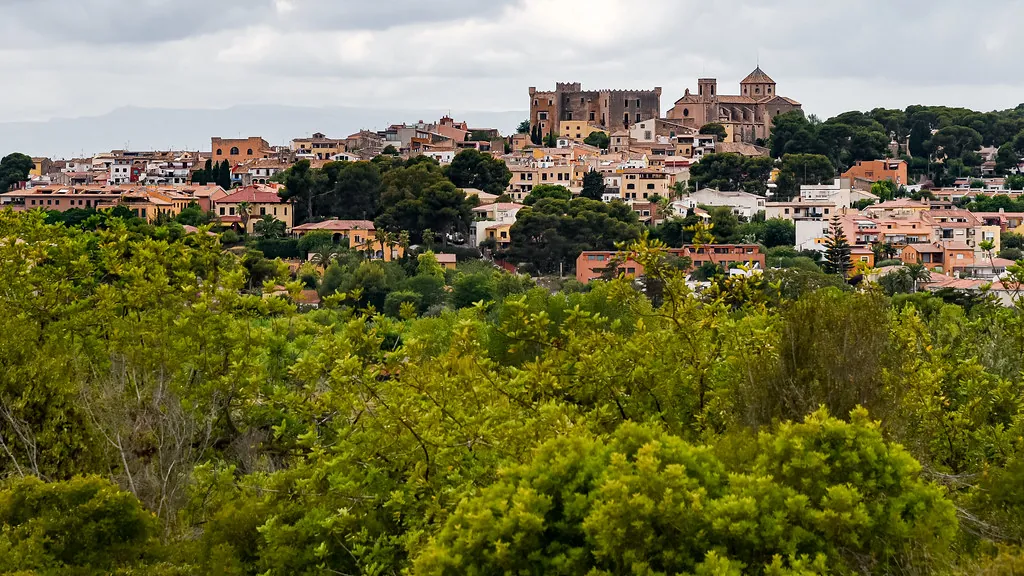
The church of Sant Jaume dominates the skyline, its modest bell tower visible from every approach road. Built from local stone that shifts from honey to grey depending on the light, it's neither grand nor particularly old by Catalan standards. What makes it remarkable is its role as the village's social anchor. Weddings, funerals, the annual festival – life here still revolves around the church calendar rather than TripAdvisor ratings.
Wander the streets and you'll notice the details that reveal La Nou de Gaia's agricultural DNA. Doorways wide enough for carts, stone troughs now filled with geraniums, houses where the ground floor stables have become garages. The architecture follows a practical pattern: stone below, whitewashed walls above, terracotta tiles baked from local clay. Iron balconies sag under the weight of decades, their paint peeling in the salt air that drifts inland from the coast.
The village centre takes twenty minutes to cross at a leisurely pace. There's no main square in the Spanish tradition, just a widening of Carrer Major where the bakery, the single bar, and the agricultural suppliers face each other across the tarmac. Inside Bar Nou, the menu hasn't changed in years: coffee, beer, and bocadillos filled with local fuet sausage or tomato-rubbed bread with olive oil. The owner, Maria, knows everyone's order before they ask.
Between Vineyard and Sea
The surrounding landscape belongs to the DO Tarragona wine region, and the harvest defines the year as surely as any calendar. From late August, the vineyards transform. Tractors towing grape trailers block the narrow roads, their drivers stopping for conversation whether you understand Catalan or not. The air fills with the yeasty smell of crushed grapes drifting from the cooperative winery on the village edge.
Cycling here requires neither Lycra nor ambition. The country lanes linking La Nou de Gaia to neighbouring villages like El Catllar and La Pobla de Mafumet roll gently, never climbing more than fifty metres. Traffic consists mainly of farm vehicles and the occasional local heading to Tarragona for work. Rent bikes from the shop in El Catllar (€15 per day) and you can plot a circular route through three villages, stopping for lunch in whichever square catches your fancy.
Walking follows the same gentle pattern. The GR-92 long-distance footpath passes nearby, but local routes stick to farm tracks and medieval rights of way. One popular circuit heads south towards the coast, reaching the Mediterranean at Platja Llarga after eight kilometres. The beach stretches for miles when you arrive, sand dunes backed by pine woods where Spanish families picnic on Sundays. Even in July, you'll find space to spread a towel without touching your neighbour's.
The Reality of Rural Life
Let's be honest about what La Nou de Gaia isn't. There's no Michelin-listed restaurant, no boutique hotel occupying a restored palace, no craft brewery or artisan cheese shop. Evening entertainment means the bar, the church, or television. The nearest supermarket sits five kilometres away in La Pobla de Mafumet, and the village cash machine charges €2 per withdrawal.
Summer brings heat that pools between the terracotta roofs, sending temperatures above 35°C for weeks. The tramontana wind can whip in from the north, rattling shutters and coating everything with fine dust. In winter, the empty houses outnumber occupied ones, and the bar reduces its hours to match demand. English is rarely spoken beyond basic greetings; Catalan remains the language of daily life.
Yet these limitations create something increasingly rare on the Mediterranean coast. When you order coffee at Bar Nou, you're charged the local price – €1.20 – not the tourist rate. The bakery's coques, flatbreads topped with vegetables or fish, cost €2.50 and sell out by ten o'clock. The village festival in July features castellers, the human towers that represent Catalan identity, performed by neighbours who've known each other since childhood rather than professionals hired for the occasion.
Making It Work
Base yourself here only if you have transport. Buses connect to Tarragona twice daily, but schedules favour commuters over visitors. A hire car from Reus airport (forty minutes away) transforms the village into a strategic base. Barcelona lies an hour north on the AP-7, though the slower N-340 coast road offers better scenery and roadside restaurants serving proper paella rather than tourist versions.
Accommodation means Cal Lluiset, a converted farmhouse on the village edge with five rooms and a pool overlooking vineyards. Rooms start at €80 nightly including breakfast: local ham, tomatoes from the garden, bread still warm from the bakery. Alternatively, stay in Tarragona and visit for lunch, combining medieval history with rural authenticity in a single day.
The best approach treats La Nou de Gaia as what it is: a working village that happens to welcome visitors rather than a destination created for them. Come for the contrast between agricultural interior and developed coast, for the rhythm of village life that continues regardless of tourism's whims. Leave before you overstay your welcome, and the tractor driver might just nod recognition when you return.