Full Article
about La Pobla de Mafumet
Dynamic municipality with a restored old quarter and modern green spaces
Ocultar artículo Leer artículo completo
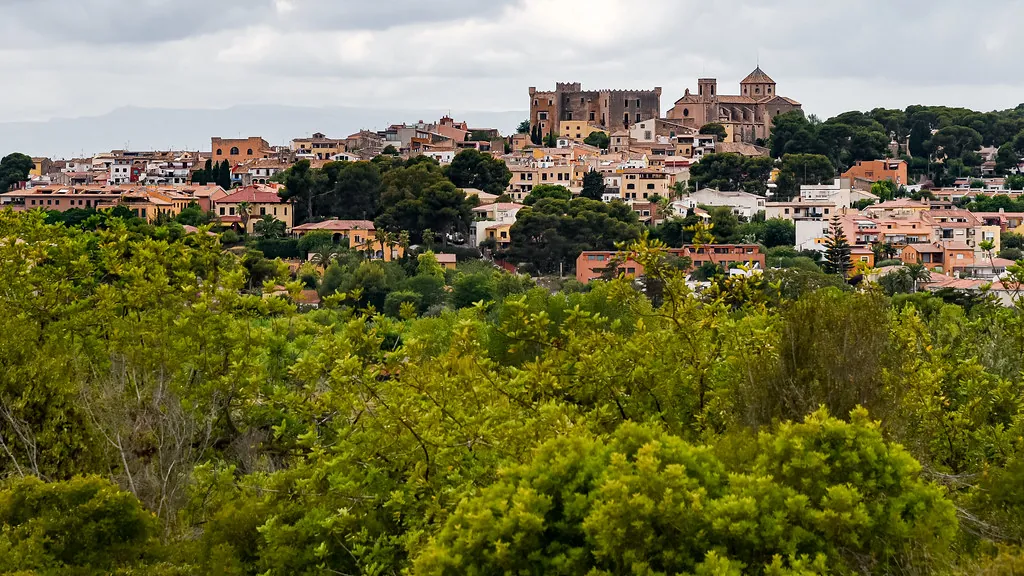
The church bell strikes noon and the only other sound is a forklift reversing somewhere beyond the almond groves. La Pobla de Mafumet doesn't do soundtrack drama; it does lunch at home and a siesta that still matters. At 98 m above sea-level, seven kilometres inland from Tarragona, this compact grid of stone houses and wider modern streets keeps one foot in the vegetable patch and the other in the industrial estate.
A Village That Never Needed a Postcard
Ignore any review calling the place “picturesque”. The truth is more interesting. The northern approach is lined with warehouses and the glassworks chimney that has paid wages here since 1968. Only after you pass the last pallet depot do the fields open up: rows of hazelnuts, old olive trees with their trunks twisted like rope, and small plots of tomatoes that supply the weekend market. It is a working landscape, not a curated one, and that is why you can still buy a decent coffee for €1.20 in the bar beneath the town hall.
The name itself is the first clue to the layers underneath. “Mafumet” comes from the Arabic Mā fuwwādat, roughly “the place of the overflow”, a nod to the flood-plain of the Francolí river that skirts the parish. After the Reconquest the village was repopulated by Christians from the Ebro valley; their legacy is the compact stone core around Carrer Major where arches half a millennium old frame front doors painted the colour of Mediterranean midnight.
What Passes for Sightseeing
Start at the parish church of Sant Bartomeu. It is not cathedral-sized, but it is the closest thing the village has to a compass: every local direction begins “from the església”. The building is a palimpsest—Romanesque bones, Gothic ribs, a Baroque skin added after the Civil War shellfire. The door is usually open; inside, the coolest place in summer is the stone font where generations of Mafumetans were christened with water drawn from the river they still call “el riu”.
From the church door wander south until the houses shrink and the lanes stop pretending they are streets. Here you find the last fragment of the medieval wall, now propping up somebody’s toolshed, and the communal wash-house that functioned until 1983. Elderly residents still rinse lettuce there when the mains pressure drops. No plaques, no entry fee, just a roof of Roman tiles and the smell of chlorine replaced by moss.
If you need a proper view, follow the rising lane past the football ground. Ten minutes of gentle gradient brings you to the old quarry-turned-picnic site. The panorama is not epic: vineyards, the N-240 motorway, and on clear days the chemical works at Tarragona port. Yet the breeze carries rosemary and diesel in equal measure—an honest summary of the local economy.
Eating Without the Performance
Gastronomy here is what you eat at 2 p.m. when the tractor is parked and the shift ends. Romesco, the brick-red sauce of almonds, dried nyora peppers and tomato, appears on every table from February to May when the calçot onions demand it. Visitors squeamish about seafood offal can relax: inland La Pobla sticks to land-based protein. Parrilla La Bellota on Avinguda Catalunya will grill lamb chops and butifarra sausage over vine cuttings; order the three-course “menu del dia” for €14 and the house wine arrives in a plain glass jug, not a wicker bottle.
Saturday morning is market day in the small plaça behind the pharmacy. Three stalls suffice: one for vegetables grown within sight of the bell-tower, one for honey labelled only in Catalan, and one that sells just three types of dried beans and a mountain of saffron-coloured snails. Bring cash; the card machine “only works when it feels like it”.
Walking It Off
The tourist office, open Tuesday and Thursday if the volunteer remembers, keeps a photocopied map entitled “Camins del Terme”. The circuits are colour-coded by length: green (4 km), yellow (9 km), red (17 km). All start from the river footbridge and none require specialist boots; trainers will cope with the stony farm tracks. The shortest loop crosses the railway and circles the hazelnut orchards where workers in straw hats shake the nuts onto tarpaulins every August. The longest reaches the ridge above the Francolí gorge and gives you enough elevation to see the sea glittering like broken glass beyond the petro-chemical flares.
Cyclists share the same paths. Road-bike enthusiasts can link quiet lanes south-east to the Roman aqueduct at Pont del Diable in under 30 minutes; mountain bikers head north into the pine-scented scatter of the Gaià natural park where gradients become honest.
Timing and Temper
Come in late April and the temperature sits reliably in the low twenties—warm enough to sit outside at 10 p.m., cool enough to walk at midday. August belongs to the village; holiday lets are rare and hotel stock is zero, so the Festa Major (week leading up to 24 August) feels like a family reunion you have accidentally joined. Expect late-night brass bands, foam parties in the playground, and fireworks that set off every dog from here to the coast. Accommodation in the village itself is limited to one five-bedroom villa (Naturaki) rented by the week; most visitors base themselves in Tarragona and take a €12 taxi home after the concert.
Winter is underrated. January skies are ceramic-blue, the hazelnuts have been gathered and pruned, and restaurant fireplaces actually get used. Daytime 12 °C feels warmer than it sounds when the sun ricochets off stone. The downside: buses shrink to rush-hour only, and the solitary village bar closes at 8 p.m. sharp on weekdays.
Getting Here, Leaving There
Reus airport, ten kilometres south-west, receives Ryanair flights from London Stansted three times a week in summer. A pre-booked taxi to La Pobla takes fifteen minutes and costs about €25—less than the airport sandwich. From Barcelona Sants take the regional train to Tarragona (35 min), then either bus 5 (hourly, €1.45) or a cab. Hire cars make sense only if you intend to beach-hop; free parking exists on Avinguda de la Generalitat but spaces narrower than a Morris Minor.
Leave before you think you should. The village rewards a morning or an afternoon, not a full itinerary. Two hours buys you the church, the quarry view and a coffee; half a day adds lunch and a walk among the almonds. Stay longer and you will notice the silence at 3 p.m., the way shop shutters roll down for the siesta that the coast abandoned years ago. That is the point when you realise La Pobla de Mafumet is not a place to tick off but a counterbalance to the Roman amphitheatre queues down the road—Catalonia running at village speed, with the factory whistle still dictating the tempo.