Full Article
about La Secuita
Municipality with several historic centers and a modernist church by Jujol in Vistabella.
Ocultar artículo Leer artículo completo
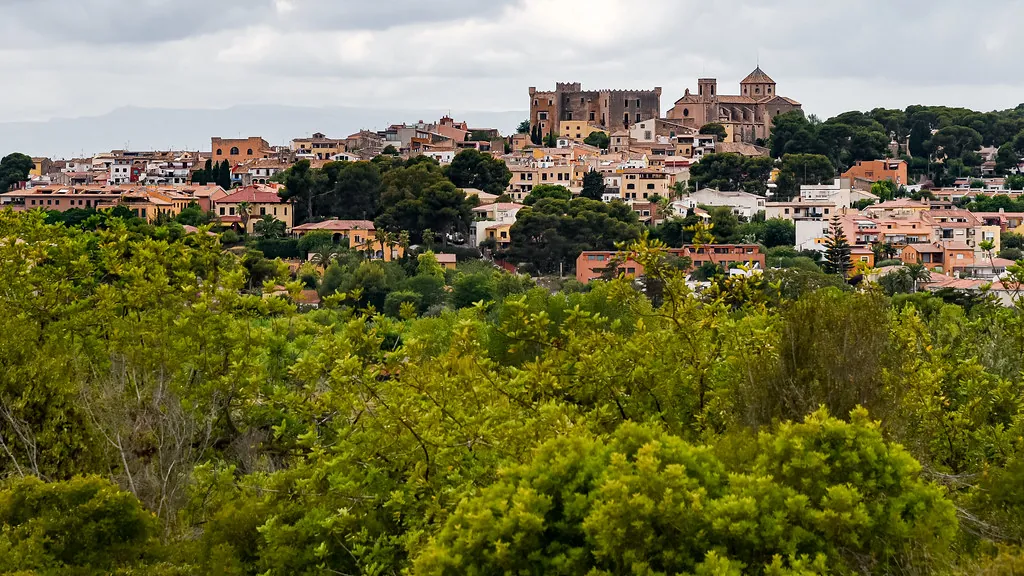
The morning mist lifts to reveal rows of gnarled garnacha vines stretching toward the Prades mountains. At 169 metres above sea level, La Secuita's medieval stone houses seem to float between sea and sierra, their terracotta roofs glowing amber in the Catalan sunrise. This isn't Costa Dorada's crowded coastline—it's something far more interesting.
Between Rome and the Vine
Fifteen kilometres northwest of Tarragona's Roman amphitheatre, La Secuita occupies that sweet spot where agricultural heritage hasn't been sanitised for tourists. The village's 1,800 residents still harvest olives from trees planted during Franco's era, and the local cooperative presses oil that sells for €8 a litre—half the price you'd pay in Barcelona's gourmet shops.
The relationship with land and sea runs deep here. While the Mediterranean glimmers on the horizon, it's the earth that matters. Wine routes snake through DO Tarragona vineyards where Romans first planted vines 2,000 years ago. At Celler Jordi Miró, fourth-generation winemaker Anna Miró pours young red that tastes of blackberries and thyme. "We don't do tours," she says, filling glasses from an unlabelled bottle. "We just make wine." A tasting costs nothing if you buy two bottles—her reserva sells for €12, cheaper than supermarket Rioja.
The village's altitude creates its own microclimate. Summer temperatures sit five degrees cooler than coastal resorts, making afternoon walks bearable. Winter brings proper cold—occasional frost, even snow on the Prades peaks. Spring arrives abruptly in March when almond blossoms transform the surrounding fields into clouds of white petals.
Stone, Faith and Unexpected Architecture
La Secuita's heart beats around Sant Pere church, its simple facade belying eight centuries of village life. Sunday mass still fills the pews, though the priest's Catalan sermon might lose British visitors. More intriguing is the Sagrat Cor de Vistabella chapel hidden on the village's western edge—Josep Maria Jujol, Gaudí's collaborator, designed this modernist gem with its wavy walls and rainbow-tiled roof. Finding it requires persistence: it's usually locked, but the town hall will arrange visits if you email ahead. Sunday morning mass offers guaranteed access, though you'll need basic Spanish to follow proceedings.
The old quarter reveals itself slowly. Carrer Major's stone houses lean together like old friends, their wooden balconies draped with washing that flaps against ochre walls. Number 47 displays medieval masonry—look for the Roman brick incorporated into newer construction. Plaza Catalunya serves as evening gathering point where teenagers smoke while grandparents play cards beneath plane trees. Nothing's aimed at visitors, which is precisely the appeal.
Walking Through History
La Secuita works best as a base rather than destination. The GR-172 long-distance footpath passes nearby, connecting to La Pobla de Mafumet through olive groves and past abandoned farmhouses. It's gentle walking—three hours to complete the circuit—with stone markers every kilometre. Bring water; village fountains don't always work.
Cycling proves even better. Flat agricultural tracks link neighbouring villages: pedal to Perafort's 12th-century bridge in twenty minutes, continue to El Morell's Wednesday market for locally-made ceramics. Bike hire costs €15 daily from the petrol station on the N-240—basic mountain bikes, nothing fancy, but sufficient for vineyard tracks.
The coast remains temptingly close. Cambrils' fishing harbour lies 25 minutes' drive south—arrive by 11am to watch auction of overnight catch, then lunch on grilled sardines at Restaurant Carlos (€18 menu del dia). PortAventura's roller coasters thunder just ten minutes further, though the village's peace makes theme parks feel surreal.
Eating Like a Local
British visitors expecting paella will be disappointed. La Secuita's cuisine reflects peasant traditions: hearty, simple, seasonal. The bakery opens at 6am dispensing coca de recapte—flatbread topped with roasted peppers and aubergine that tastes like pizza's Mediterranean cousin. €2.50 buys breakfast for two.
Restaurant Cal Ganxet serves what locals actually eat. Thursday's special is escudella—meat and vegetable stew thick enough to stand a spoon in. Weekend calçotadas run from January to March: book ahead for the spring onion feast where you peel charred vegetables and dip them in romesco sauce. They'll grill sausages for children who find Catalan stews challenging. House wine comes in porrons—glass jugs that require practice to drink from without splashing.
The village's proximity to Tarragona means fresh seafood appears despite inland location. Saturday lunch might feature suquet de peix—fish stew using morning's catch from coastal markets. Expect to pay €25-30 per person including wine—half Barcelona prices and a quarter of London's.
Practical Realities
Getting here requires planning. Camp de Tarragona AVE station sits 12 kilometres away—Spain's high-speed rail hub with direct trains from Barcelona (35 minutes) and Madrid (two hours). Europcar operates the only rental desk; book vehicles online as availability disappears quickly. The station-to-village taxi costs €25 and must be pre-booked—there's no rank.
Public transport exists but tests patience. Two daily buses connect with Tarragona at inconvenient times. Hiring cars proves essential for exploring; parking remains free throughout the village except during August's fiesta when finding spaces becomes impossible.
Accommodation means rental houses rather than hotels. Several 19th-century homes on Carrer de la Creu offer Airbnb stays from €65 nightly—stone walls keep interiors cool without air conditioning. British guests consistently praise the authentic experience, though light sleepers should pack earplugs; church bells chime every quarter-hour.
August's Festa Major transforms quiet streets into celebration that continues past 3am. Fireworks, brass bands and street parties create magical atmosphere but drive away those seeking rural peace. Book September instead—grape harvest brings wine festivals without summer crowds, temperatures settle into comfortable mid-twenties.
La Secuita won't suit everyone. Nightlife means the local bar closing at midnight. Shopping options extend to two bakeries and a small supermarket. Beach lovers face twenty-minute drives. Yet for travellers seeking working Catalan village life where restaurants fill with locals rather than guidebook followers, where wine costs less than bottled water, where Roman history whispers through medieval stones, this hillside settlement delivers something increasingly rare: Spain without the performance.