Cathedral-Tarragona-1030669.jpg
Stuart Smith. · Flickr 5
Cataluña · Sea, Mountains & Culture

Tarragona

The amphitheatre doors open at ten, but the sun is already bouncing off the limestone seats with near-surgical precision. A school party from Leeds...

143,649 inhabitants · INE 2025
68m Altitude
Coast Mediterráneo

Why Visit

Coast & beaches Roman Amphitheatre Roman route (Tarraco Viva)

Best Time to Visit

summer

Santa Tecla (September) septiembre

Things to See & Do
in Tarragona

Heritage

  • Roman Amphitheatre
  • Cathedral of Santa Tecla
  • Roman Circus

Activities

  • Roman route (Tarraco Viva)
  • Beach swim
  • Serrallo visit

Festivals
& & Traditions

Fecha septiembre

Santa Tecla (septiembre), Sant Magí (agosto)

Las fiestas locales son el momento perfecto para vivir la autenticidad de Tarragona.

Full Article
about Tarragona

Provincial capital with a striking Roman heritage, a UNESCO World Heritage site on the Mediterranean.

Ocultar artículo Leer artículo completo

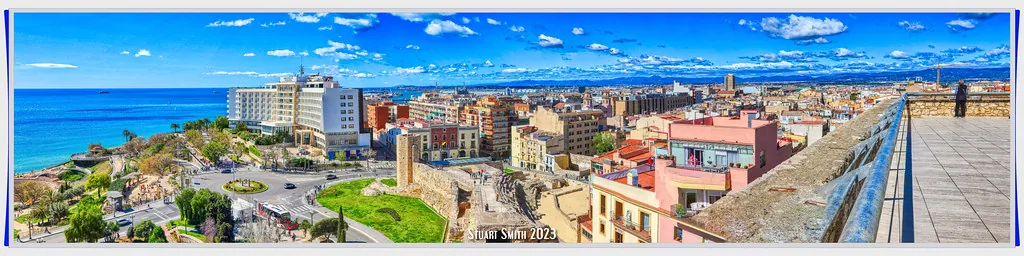
The amphitheatre doors open at ten, but the sun is already bouncing off the limestone seats with near-surgical precision. A school party from Leeds lingers at the rail, trying to photograph the arena floor and the sea beyond it in one frame. They manage it, just. Below their feet, Romans once watched gladiators; above their heads, a cruise passenger’s drone buzzes like an impatient mosquito. Two millennia compressed into a single sightline—only in Tarragona.

A city that refuses to be a museum

Tarragona’s old quarter isn’t cordoned off for postcard purposes. Children kick footballs against 12th-century walls, neighbours shout dinner plans across Roman foundations, and the smell of grilled sardines drifts up from a bar whose terrace sits on what used to be a temple precinct. The effect is disarming: history as scaffolding for everyday life rather than a stage set.

Start at the Rambla Nova, the city’s answer to Barcelona’s more famous boulevard, only shorter, shadier and mercifully free of living statues. Pensioners claim the iron benches by 9 a.m.; by 11 the ice-cream queue at Heladería Guix stretches halfway to the balcony that crowns the promenade. Locals call the balcony tocar ferro—touch the iron rail for luck—so expect a shuffle of outstretched arms at sunset. The drop below is 23 m straight to the railway line and, beyond it, a curl of sand that passes for the city beach.

From here the Part Alta climbs in earnest. Medieval alleys spiral inward like a nautilus shell, eventually spitting you out at the cathedral. The climb is short—five minutes if you’re fit, fifteen if you stop to read every plaque—but steep enough to make a morning coffee feel essential. Try Café L’Estanç on Plaça de la Font; the café amb llet costs €2.20 and the owner still remembers the regulars’ grandchildren.

Stones that demand a hat

The Roman amphitheatre (€5, card-only) is the headline act, but it comes with disclaimers. Shade is non-existent, information panels are brief, and tour groups thicken between 11 a.m. and early afternoon. Bring water and a brim; the NHS skin-cancer leaflets were written for places like this. If you’ve already marched around the Colosseum, the scale may underwhelm—capacity here was 15,000, not 50,000—but the maritime backdrop is impossible to fake.

Better value is the combined ticket (MHT, €11.50) which bundles the amphitheatre with the Circus Romano, Pretorio and a stretch of city walls. The circus lies two streets back from the sea, half-swallowed by later apartment blocks; downstairs you can trot along the vaulted corridors where charioteers once waited. English labels are patchy, so download the free audio guide before you arrive or eavesdrop on the university groups—most guides switch to English when asked nicely.

Monday closures are ruthless: every municipal monument shuts. Plan around them or you’ll spend the morning photographing locked gates.

Lunch where the market meets the port

Follow your nose downhill to the Mercat Central, a 1915 iron-and-glass hangar that still functions as neighbourhood corner shop. Outside, a row of no-frills counters sells whatever came off the boats that morning. Grab a stool at Barquet, order sardines a la plancha (€9) and a chilled Estrella. Paper tablecloths, plastic chairs, zero tourists buses—exactly the combination British food writers fantasise about and rarely find.

If you’re after the spring calçot onion ritual, arrive between January and March. Locals dip the charred stems into romesco sauce, then tilt their heads back like baby birds. Most restaurants require advance booking; Mas Ros in the nearby village of El Morell runs English-speaking sessions on Wednesdays.

Beaches with small print

Platja del Miracle sits under the cliff railings—handy, but urban and often crowded. Walk ten minutes east and you reach Platja Larga, a thinner strip backed by pines and dog-walkers. Keep going another 20 minutes and the sand widens into Platja Savinosa, half of which is unofficially nudist. Signs are discreet; if you’re protective about your children’s questions, choose your towel patch carefully. Summer water quality is Blue-Flag reliable, but the slope drops quickly—non-swimmers should stay within the yellow buoys.

No beach bar at Savinosa, so pack water. The nearest kiosk is back towards the campsite, a 15-minute trudge across car park gravel in flip-flops.

Hills, aqueducts and human towers

Roman engineers didn’t stop at the coast. Four kilometres north-west, the Pont del Diable aqueduct strides across a green ravine in two tiers of unmortared stone. Bus 5 from Plaça Imperial Tàrraco drops you 200 m away (single €1.35, exact change appreciated). Entry to the park is free; walking the top tier is now fenced off, but the view from ground level is adequate compensation. Go early—by noon the shade has vanished and the nearest drinks are a 20-minute walk.

Serious walkers can follow way-marked stretches of the Via Augusta, the old road to Cádiz. Expect olive groves, motorway bridges and the occasional information board so weather-beaten it’s illegible. A more contained hike is the GR-92 coastal path south towards Torredembarra; trains back to Tarragona run every 30 minutes and accept the regional T-10 multi-trip card.

For something you definitely can’t replicate at home, time your visit with a castell rehearsal. Teams of castellers build living towers up to ten storeys high, supervised by a whistle-blowing conductor and protected by a rugby-scrum base. Colla Jove trains most Tuesday and Thursday evenings at 20:30 in the Cós del Bou ring; spectators stand on concrete bleachers for free. Bring a cushion—the wooden slats are unforgiving.

Evening rituals and getting home

Dinner starts late; 9 p.m. is standard, 10 p.m. normal. El Llagut on Carrer de la Mercè does a reliable fideuà (short noodle paella) for two at €24, but won’t split bills, so sort the maths before you order. Afterwards, locals migrate to Fàbrica de Cervesa Tarraco, a micro-brewery inside a former cinema. The house IPA tastes of citrus and pine; at 6.2% it also tastes of tomorrow’s headache. Pace yourself—last trains to Barcelona leave at 22:46 and 23:46; miss them and the night bus takes two hours.

If you’re staying over, boutique options cluster inside the walls. Hotel Plaça de la Font has small rooms looking onto a square that quiets down after midnight; doubles from €90, including earplugs on the pillow—an honest touch. Cheaper digs line the port road, but you’ll trade ambience for traffic hum.

The honest verdict

Tarragona rewards curiosity more than box-ticking. Roman stones are everywhere, yet they share pavement space with school runs and Saturday shopping. The beaches are decent, not dazzling; the food is fresh, not flashy. Come prepared for hills, heat and the occasional closed gate, and the city relaxes into something far more interesting than a living museum. Treat it as a day-trip from Barcelona and you’ll leave satisfied; stay overnight and you might start checking ferry schedules to North Africa—exactly what the Romans did next.

Key Facts

Region
Cataluña
District
Tarragonès
Coast
Yes
Mountain
No
Season
summer

Official Data

Institutional records and open data (when available).

  • Amfiteatre de Tarragona
    bic Monumento ~1.3 km
  • Circ Romà de Tarragona
    bic Monumento ~1 km
  • Catedral de Tarragona
    bic Monumento ~1.2 km

Planning Your Visit?

Discover more villages in the Tarragonès.

View full region →

Day trips near Tarragona

Anfiteatro romano, Costa Dorada, Priorat y pu…

Villages near Tarragona →

More villages in Tarragonès

Traveler Reviews