
Full Article
about Torredembarra
Coastal town with a unique Renaissance castle
Hide article Read full article
Torredembarra, con el mar en la puerta de casa
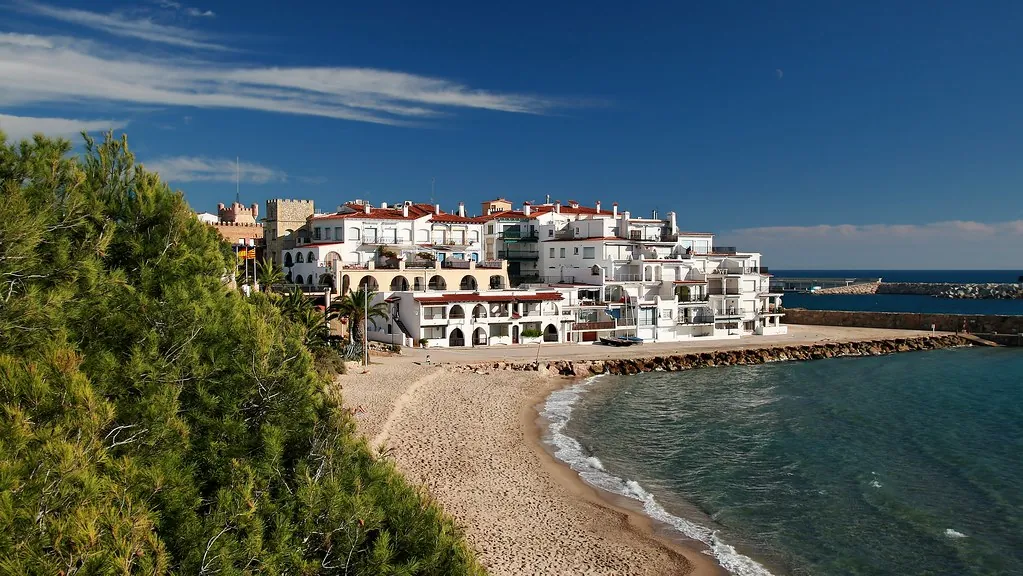
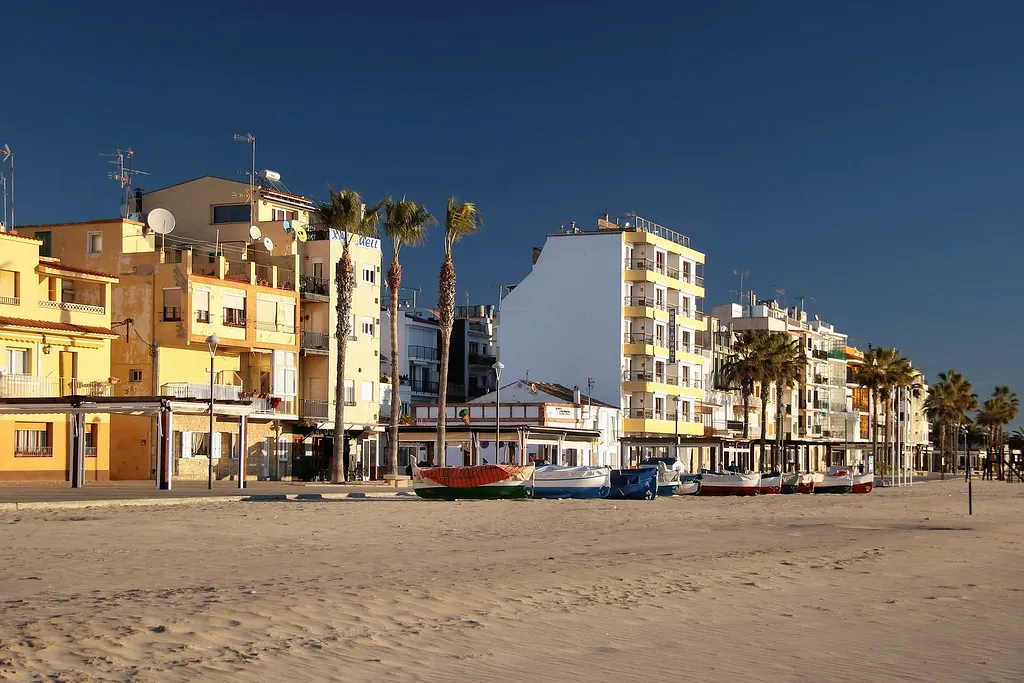
Torredembarra es ese tipo de lugar donde la gente va a la playa en chanclas y con la toalla bajo el brazo, como quien baja al parque. No hay ceremonia. El turismo aquí se siente doméstico, de los que vienen cada verano. Y el faro, que se ve desde casi cualquier punto, lo resume bien: es alto, moderno, funcional. No tiene nada de esa estética de postal antigua. Con sus 58 metros, dicen que es el más alto de Cataluña. Por la noche su haz barre el mar con una eficacia que quita el romanticismo, pero le hace perfecto para este sitio.
Un casco antiguo que no se alarga
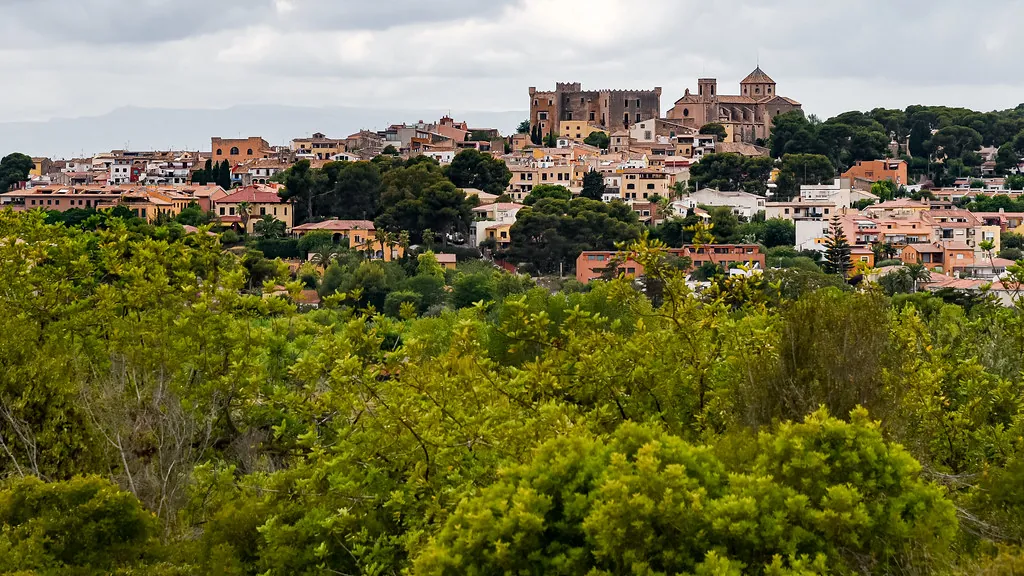
El nombre suena a fortaleza, y algo queda. En el centro está la Torre de la Vila, medieval, rodeada de calles tranquilas donde se mezclan vecinos de toda la vida y segundas residencias. Cerca está el Castellnou, que parece más una casa señorial grande que un castillo propiamente dicho. La visita no te lleva más de media hora. Das una vuelta, ves la torre, alguna plaza pequeña, y listo. No es un museo al aire libre; es un barrio que vive a otro ritmo, sin aspavientos.
La Vila Romana dels Munts: lujo romano con vistas al mar
A cinco minutos del paseo marítimo están los restos de la Vila Romana dels Munts. Si esperas cuatro piedras en un solar, te llevarás una sorpresa. Esto fue una villa grande, con termas, mosaicos y unas vistas al Mediterráneo que hoy pagaríamos a precio de oro. Se nota que aquí vivía gente con dinero.
Está dentro del conjunto arqueológico de Tarragona (que es Patrimonio Mundial), así que tiene su importancia. En verano pega el sol de lo lindo; lleva agua y algo para la cabeza.
Comer: xató y sentido común
La cocina aquí va a lo práctico. El plato estrella es el xató, una ensalada contundente con bacalao, anchoas y una salsa espesa de frutos secos y ñora. No es un plato ligero. Nació para alimentar a pescadores y gente del campo, y sigue cumpliendo su función.
También verás romesco acompañando pescados o marisco. Es la salsa totémica de esta costa. La filosofía es clara: producto decente, raciones generosas y poca complicación en el plato.
Fiestas: cuando el pueblo mira al mar
El calendario lo marcan las tradiciones marineras. En verano hay procesiones en el agua con barcos engalanados, música en los porches y ambiente en el paseo. Es cuando se nota que esto no es solo un destino turístico; es un pueblo que celebra sus cosas. Las familias se juntan en el espigón y suele haber fuegos artificiales sobre el agua.
Cómo moverse y cuánto quedarte
Llegar es fácil: tiene salida en la autopista y trenes frecuentes desde Tarragona y Barcelona. De la estación a la playa se anda en diez minutos.
No necesitas una semana para pillarle el punto. Con un día tienes bastante: mañana en la arena o paseando por Els Muntanyans (una zona de dunas y marismas al norte, con pasarela de madera y pájaros), tarde viendo el casco histórico o los restos romanos, y cena tranquila.
Torredembarra no te va a cambiar la vida ni te va a sorprender con algo revolucionario. Su virtud está en no prometer lo que no puede dar. Te ofrece un baño salado, un paseo junto al agua, una comida sincera y poco más. A veces eso es justo lo que necesitas