Full Article
about Vespella de Gaià
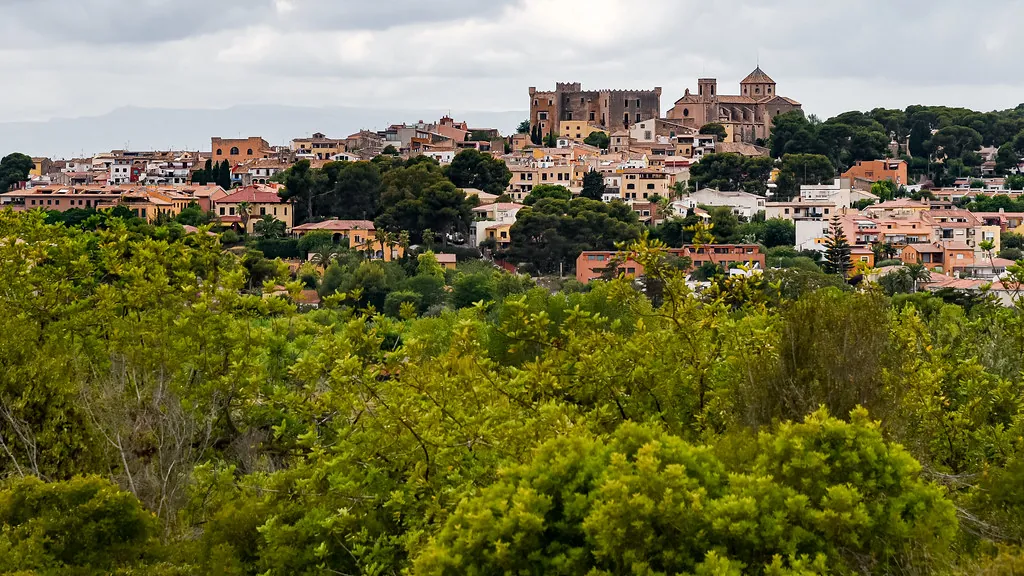
Picturesque hilltop village with castle and outdoor contemporary sculptures
Ocultar artículo Leer artículo completo
The Village That Time Misplaced
The church bells ring at noon, and the sound carries across wheat fields that stretch towards the Mediterranean, twelve kilometres away. In Vespella de Gaia, population 499, this constitutes rush hour. The village sits 190 metres above sea level, high enough to catch sea breezes but low enough that farmers still talk about the land in terms of drought cycles rather than ski seasons.
Stone houses lean together along streets barely wide enough for a tractor, their wooden doors painted in colours that have faded since Franco died. This isn't one of those Catalan villages where British pensioners buy crumbling fincas to convert into holiday rentals. The locals, many called García or Ferrer, have been here since records began. They'll nod at strangers, but conversation requires effort and decent Spanish—Catalan helps, but isn't essential.
What Passes for Excitement
The medieval church of Sant Martí squats at the village centre like a weathered toad, its bell tower the highest point for miles. Inside, the air smells of incense and centuries of Sunday Mass. The priest arrives from Tarragona on weekends; during the week, the building stands empty except for the occasional elderly woman lighting candles for grandchildren who've moved to Barcelona.
Walking the village takes forty minutes if you dawdle, which you should. The stone portal on Carrer Major dates from 1573, though the house it guards was rebuilt after the Civil War. Iron balconies hold geraniums in winter, replaced by tomatoes in summer. Someone has painted a mural of traditional Catalan farm tools on the wall opposite the bakery, though the bakery itself closed in 2008. Now bread arrives in a white van from Tarragona at eight each morning, except Sundays.
The surrounding countryside delivers what the village lacks in monuments. Almond trees explode into white blossoms during late February, transforming the hills into something that resembles snowfall. Farmers plant wheat between vineyards, creating a patchwork that changes from green to gold to brown with the seasons. Footpaths, actually dirt tracks used by tractors, connect Vespella to neighbouring hamlets. Signage is intermittent; GPS signal dies in the valleys. Bring water, and don't trust Google Maps.
The Food Question
There are no restaurants in Vespella proper. The nearest proper meal requires driving five kilometres to Creixell, where Can Xiquet serves calcots—those massive spring onions grilled over vine cuttings—during winter months. A full calcotada, complete with romesco sauce and wine from the nearby Penedès region, costs around €25 per person. Book ahead; Catalans treat this as serious business, not tourist entertainment.
The village shop, open from nine until one (then four until seven, except Thursday afternoons), stocks local almonds and olive oil pressed in Nulles, fifteen minutes away. The almonds sell for €6 per half-kilo, cheaper than anything found in British supermarkets and tasting like almonds should—oily, slightly bitter, nothing like the California imports dominating UK shelves.
During November's Festa Major, temporary food stalls appear in the plaça. Women who've spent three days cooking serve escudella—a meat and vegetable stew that tastes of winter and grandmothers—to anyone holding a €5 ticket. The local wine flows freely, though quality varies dramatically. Some years it's excellent; others, it tastes like vinegar with ambitions.
Getting There, Getting Away
Reaching Vespella requires accepting that rural Catalonia isn't the Costa Brava. The nearest airport, Reus, handles exactly three flights daily from the UK during summer—Ryanair from Manchester and Birmingham, plus the occasional Jet2 departure. Barcelona offers more options, but then you're facing a ninety-minute drive south on the AP-7, tolls costing €12.65 each way.
Car hire proves essential. Public transport consists of a twice-daily bus to Tarragona that locals treat as social service rather than serious transport. The 11:15 departure carries pensioners discussing medical appointments; the 17:30 returns them home after hospital visits. British visitors attempting either journey become instant celebrities.
Accommodation means staying elsewhere. The village itself offers no hotels, hostels, or even rooms to rent. The closest options cluster along the coast in Creixell and Torredembarra—functional three-star establishments charging €60-80 nightly, cheaper in winter when northern Europeans flee Mediterranean rain that feels suspiciously like Manchester's, only warmer.
The Honest Truth
Vespella de Gaia won't change your life. You won't discover yourself while walking almond groves, and nobody's opening a yoga retreat among the wheat fields. The village offers instead something increasingly rare: a place where tourism hasn't replaced daily life, where farmers still complain about EU subsidies, where children play football in streets designed for donkeys.
Come between March and May, when wild asparagus grows along field edges and temperatures hover around twenty degrees. Avoid August entirely—the place empties as locals flee to coastal breezes, leaving only shuttered houses and a single bar that opens sporadically. November brings mushroom hunting and the Festa Major, but also rain that can last a week.
Bring Spanish phrasebooks and realistic expectations. Vespella rewards those seeking evidence that Mediterranean rural life continues despite British property programmes and Instagram influencers. The village persists, neither thriving nor dying, simply existing in that space between tradition and inevitable change. Watch the sunset from the church steps, buy almonds from the village shop, drive to the coast for dinner. Then leave, taking with you the memory of somewhere that asked nothing from you except respectful curiosity.