Full Article
about Arnes
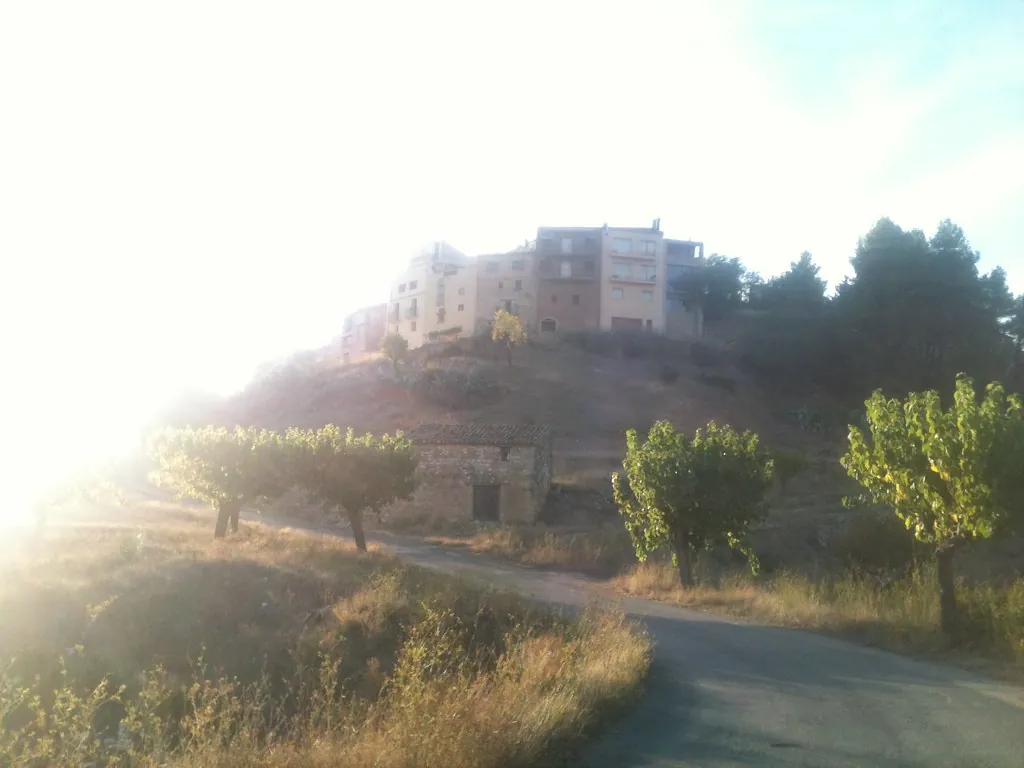
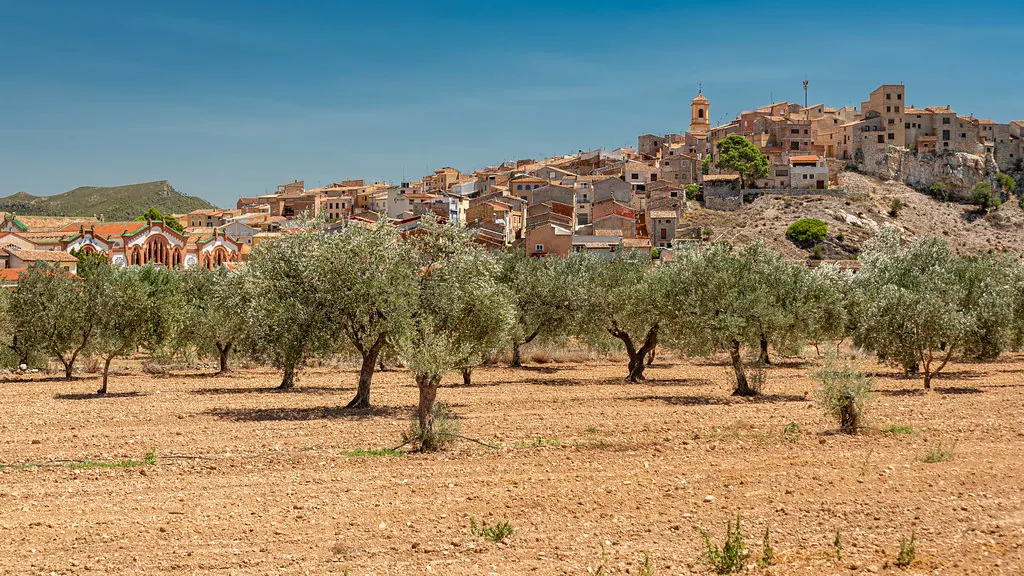
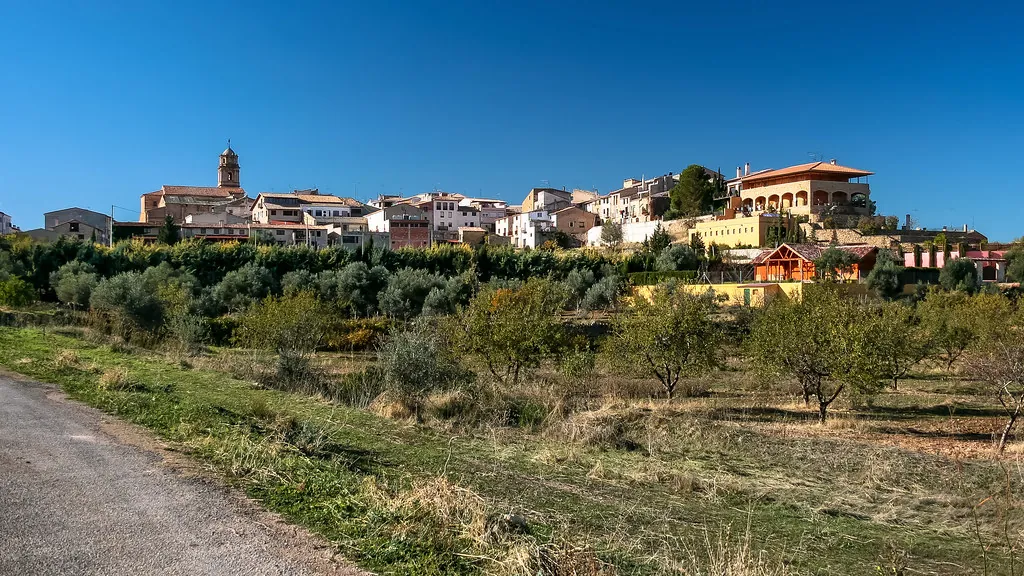
Municipality declared a Historic Site, next to Els Ports Natural Park, noted for its Renaissance architecture.
Ocultar artículo Leer artículo completo
The first thing you notice is the sound of tyres on gravel echoing through darkness. British cyclists emerge blinking from the third railway tunnel, bike lights flickering across 1930s brickwork, and suddenly Arnes appears above them—a heap of honey-coloured stone balanced on a ridge like a medieval afterthought. Population 455, olive trees 4,000, Pret outlets zero.
This is the Terra Alta’s southern edge, an hour’s drive inland from the Costa Dorada but feeling closer to the 14th century. The village sits 500 m above sea level, high enough for the air to lose the coast’s stickiness yet low enough that almond blossom arrives in February and scorches by May. Come August the thermometer nudges 38 °C; in January night-time frost whitewashes the terracotta roofs and the single bakery fires its oven at 5 a.m. so the village wakes to the smell of wood-smoke and fresh coc.
Stone, Sun and the Smell of New Bread
Arnes is compact—twenty minutes will march you from one end to the other—but the point is to dawdle. Alleyways taper into staircases barely wider than a pushchair; overhead, wrought-iron balconies sag with geraniums and the occasional sleeping cat. Gothic doorways carry dates—1387, 1523, 1620—carved so softly you have to run your fingers across the numerals to read them. House walls are built from local limestone that glows amber at dusk, a phenomenon photographers call “golden hour” and locals call “time for a beer”.
There is, essentially, one of everything: one grocery (open 9–1, 5–8, closed Tuesday), one bakery (get there before 11 a.m. or the croissants are history), one cash machine (often empty on summer weekends) and two bars that compete on the quality of their pa amb tomàquet rather than the size of their gin measures. British visitors expecting latte art will be disappointed; order a café amb llet and you’ll get a strong white coffee that costs €1.40 and arrives in a glass hot enough to demand respect.
The Green-Way That Swallowed a Railway
The old railway bed from Arnes to Bot has been reborn as the Via Verde de la Terra Alta, a 34-km green-way that pedals east through olive terraces and abandoned stations now turned into cafés-cum-museums. The surface is hard-packed limestone—fine on 32 mm tyres, jittery on 23 mm racers—and the gradients rarely top 2 %, legacy of steam engines that couldn’t cope with anything steeper. What they could cope with was tunnels: seven in total, the longest 680 m and so straight you can see the pin-prick of daylight long before you hear the echo of your own breathing. Temperature inside hovers at 12 °C even in July; British riders accustomed to changeable skies pack gilets, then tie them round their waists on the exit ramp.
Hire bikes in Horta de Sant Joan (15 km away) or bring your own and base yourself at Camping Els Ports on the village edge. The site has hard-standing for camper-vans, a small pool and a view straight onto the Ports massif; shady pitches are scarce, so book early for August bank holiday when half of Barcelona appears with folding chairs and portable paella pans.
Oil, Honey and the Occasional Wild Boar
The surrounding fields are a lesson in dry-stone economics. Almonds cover the lower slopes, olives the higher ones, both crops needing only the 450 mm of rain that the Mediterranean politely forgets to bring each year. At the Centre d’Interpretació de la Mel you can taste three honeys—orange blossom, rosemary and forest—then buy the mildest for €8 a jar; it slips through airport security and tastes of early spring mornings. Olive oil is sold in recycled Fanta bottles at the grocery, unfiltered and so peppery it makes the back of your throat tingle like good mustard.
Meals are built around what the land yields. Expect grilled lamb cutlets scented with rosemary, fideuà (short noodles cooked like paella) laced with alioli, and the local white Garnatxa that weighs less than a Chardonnay but carries more punch than Pinot Grigio. Vegetarians survive on escalivada—smoky aubergine and pepper salad—while vegans negotiate politely; this is still a place where “without meat” means they’ve left the chorizo on the side.
When the Village Lets Its Hair Down
Quiet is the default setting, but fiestas puncture it. Sant Antoni in January brings bonfires and a procession of residents clutching pets—dogs, yes, but also chickens and one bemused goat—for blessing outside the church. Late August is the Fiesta Mayor: brass bands in the square, toddlers dancing past midnight, and a communal paella that needs a paddle the size of a cricket bat. British families renting village houses should note the fireworks finale finishes at 1 a.m.; earplugs recommended if your Airbnb faces the plaza.
The rest of the year entertainment is DIY. Hiking trails strike out to the Barranc de la Fou, a limestone gorge where griffon vultures circle on thermals, and to the ruined Iberian settlement of Coll del Moro, 7 km south. Maps are available from the ajuntament but mobile signal drops to GPRS once you leave the ridge; download GPX files while you still have 4G in Gandesa.
Getting Here, Staying Sane
Reus is the nearest airport (75 min drive), Barcelona two hours if the AP-7 behaves. Public transport exists in theory—a twice-daily bus from Tortosa that climbs the TV-3423 like a goat on a hot day—but in practice you need wheels. Fill the tank before you leave the coast; there is no petrol station within 20 km and the village shop sells litre bottles of olive oil, not unleaded.
Accommodation splits between self-catering casas rurales (three-night minimum in high season) and the campsite. One-star hotels are absent, which keeps the tour buses away but also means Saturday night can sell out in April. Spring and autumn deliver 22 °C days, wildflowers or autumn tints, and the blissful hush of empty roads. August is hot, busy and still preferable to the Costa’s towel-to-towel sunbathing, provided you remember that siesta here runs from 2 p.m. to 5 p.m. and the bakery won’t open again however much you rattle the door.
Leave before dawn on departure day and the village is already awake: lights on in the bakery, the smell of new bread drifting up the alleys, a lone cyclist testing batteries before the tunnels. Arnes doesn’t do dramatic reveals or bucket-list ticks; it simply carries on, 455 strong, while the olives ripen and the green-way waits for the next pair of British tyres to break the darkness.